Drafting a statement of claim
We formulate the claim, assemble the attachments, calculate the value of the claim and the state fee. The finished set can be collected and the case run on your own.

Three stages of one chain: documents, hearings, enforcement
The gap between them is the main reason a won case brings no money
We handle the case with one team: the person who wrote the claim attends the hearing and monitors enforcement
We act both for the claimant and for the defendant
We assess the prospects before payment and say plainly if the dispute is unwinnable
Individual stages can be ordered separately — for example, documents only

Tell us what happened and what documents you have — we will see whether there is a case to answer, how it should be pursued and how it will realistically end. Free case assessment.
Message us on WhatsAppWe formulate the claim, assemble the attachments, calculate the value of the claim and the state fee. The finished set can be collected and the case run on your own.
Participation in hearings, motions, work with expert examination, written objections. Preparation decides more than an oral argument in the courtroom.
Tracing the debtor's property, supervising the court enforcement officer, appealing inaction. A judgment without enforcement brings no money.
A claim has been filed against you. We analyse the other side's statement, prepare a written position and, where it is advantageous, counterclaims.
Arrest of property and accounts is applied for together with the claim. For large sums this matters more than the speed of the proceedings.
An appeal overturns judgments on a limited set of grounds. We assess the prospects honestly rather than taking the case just for the process.
For some disputes it is mandatory, and for the rest it often resolves the matter faster and cheaper than court.
Removal of unlawful attachments, return of amounts protected from enforcement, deferral and instalment of execution.
Review of the situation and documents is free of charge. If the matter can be resolved by a claim or negotiations, we will propose exactly that, rather than taking you to court for the sake of the process.
Cost
The stages are calculated separately, and any of them can be ordered. For small disputes it is usually more cost-effective to have the documents prepared and handle the case yourself.
| Service | What is included | Cost |
|---|---|---|
| Review of the situation and documents | Whether there is a subject matter of the dispute and how it will end | free of charge |
| Written opinion on the case | Prospects, risks, course of action | from 45,000 ₸ |
| Pre-action claim | Preparation with calculation and filing | from 30,000 ₸ |
| Preparation of a statement of claim | Claim, calculation, attachments, inventory | from 70,000 ₸ |
| Objections to a claim | Analysis of the other party's statement and position | from 60,000 ₸ |
| Counterclaim | Preparation and filing within the case | from 90,000 ₸ |
| Application for interim measures | Seizure of property or accounts | from 45,000 ₸ |
| Representation at a hearing | One hearing with preparation | from 55,000 ₸ |
| Conduct of the case at first instance | Full support through to judgment | from 150,000 ₸ |
| Appeal | Preparation and participation at second instance | from 140,000 ₸ |
| Support of enforcement | Search for assets, monitoring, complaints | from 130,000 ₸ |
| Defending the debtor in enforcement | Arrests, deductions, deferral | from 90,000 ₸ |
The ranges are indicative and do not constitute a public offer. State duty, expert examinations, court enforcement officer's fees and notarial acts are paid separately.
We find out what happened, what you want to achieve and what documents you have. The claim must be enforceable, not merely fair.
We tell you honestly: the position is strong, arguable or a losing one. And separately — whether the other side has assets from which the money can actually be recovered.
Limitation periods, the mandatory pre-action claim, jurisdiction, the amount of the claim and the court fee. A mistake at this step costs weeks and a re-filing.
The statement of claim, the calculation as a separate document, annexes listed in an inventory, copies for the other side. Completeness is the main cause of delays.
For large sums we ask for the arrest of assets together with the claim. Often it is this, rather than the judgment, that leads to voluntary payment.
Motions to obtain documents, to summon witnesses, to order an expert examination. It is harder to file them later, and sometimes impossible.
We respond to objections in writing, not by arguing orally. At the same time we assess the option of a settlement agreement — sometimes it is more advantageous than a win.
We obtain the enforcement document, present it, search for assets and monitor the court enforcement officer. A win counts when the money reaches the account.
Describe the situation on WhatsApp — we will tell you whether there is a case to be made, in what procedure to pursue it and how it will end.
Team
We handle a case from start to finish with the same team: you always know who is dealing with your matter and who to contact.
Lawyer for civil cases
Handles disputes over real estate, inheritance, contracts and transactions. Supports transactions from document review through to registration of title.

Lawyer for financial and motor vehicle disputes
Works with banks, insurers and debt collectors, handles recovery and bankruptcy cases, and defends drivers in administrative matters.

Lawyer for family and social matters
Handles divorces, division of property, alimony and disputes over children, as well as employment, pension and social issues.
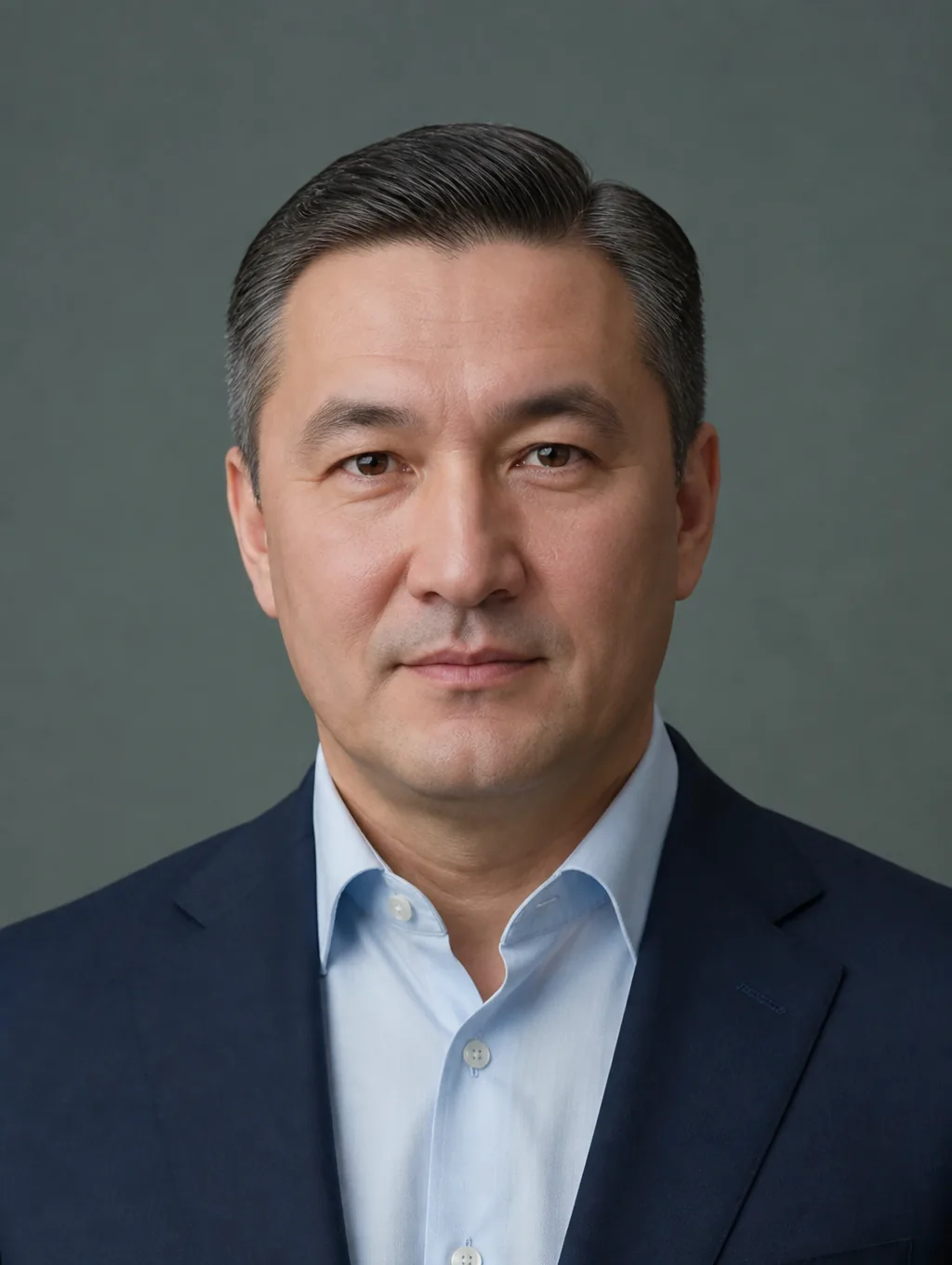
Lawyer for corporate law
Supports company transactions, arranges shares and corporate agreements, handles disputes between participants and reorganisation.

Tax lawyer
Challenges notifications and inspection reports, handles tax disputes in court, supports inspections and recovers overpayments.

Construction and contract lawyer
Reviews contract agreements, estimates and acts, handles disputes over quality and scope of works, supports acceptance of facilities.

Intellectual property and IT lawyer
Protects copyright and trademarks, drafts contracts for IT teams and handles rights to products and code.
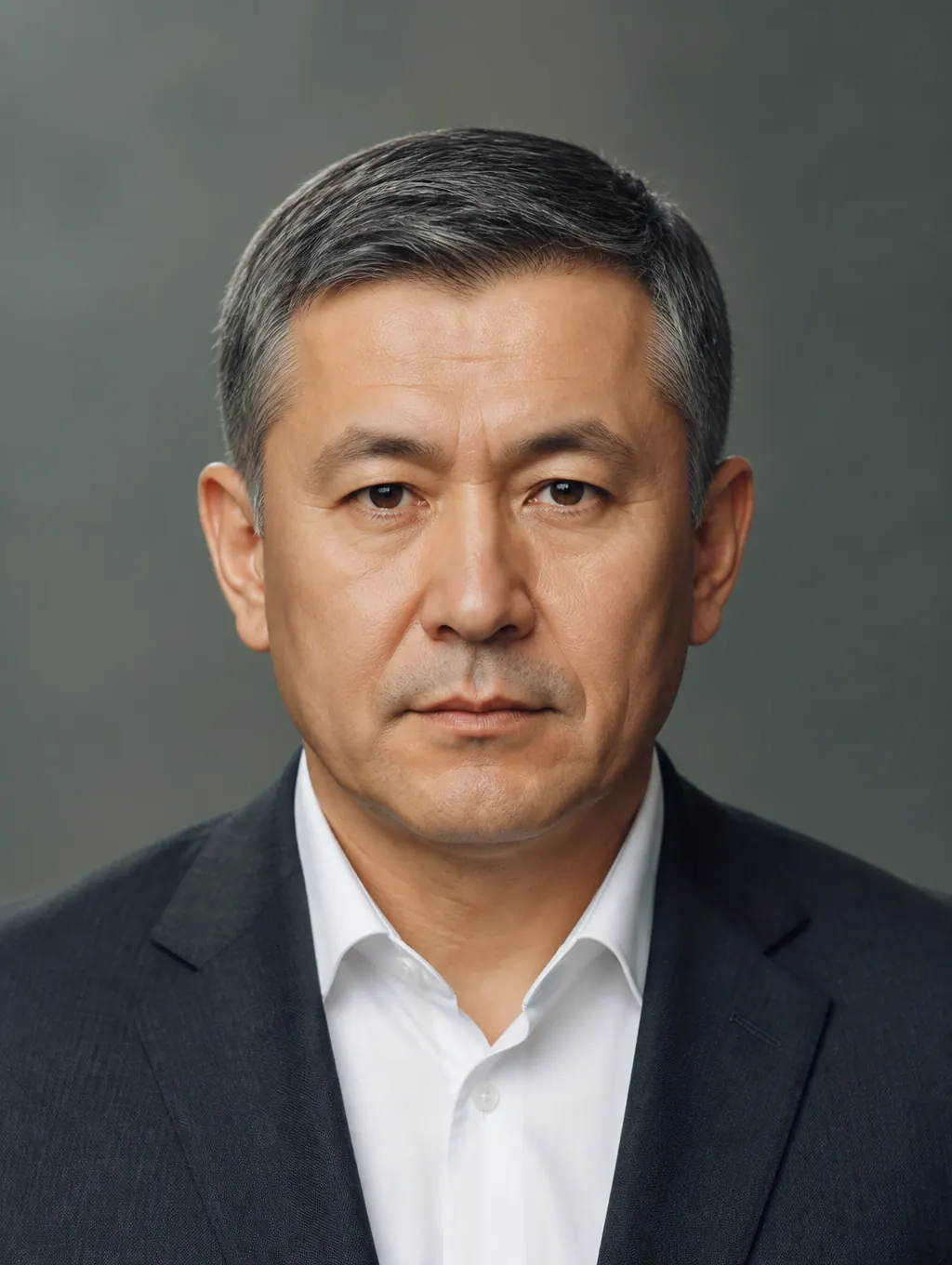
Bankruptcy and debt recovery lawyer
Handles bankruptcy and rehabilitation procedures, recovers receivables, defends directors against subsidiary liability.
Practice
Details have been changed and anonymised: the content of the case is protected by professional privilege.
Useful information
Usually the question is this: do you need a lawyer to prepare the claim, or one who will attend the hearings. Behind this is not idle curiosity but a wish to understand what you are paying for and where the specialist's work ends and yours begins. Some come with documents already prepared and want representation only, others ask for a statement to be drafted, and others have already won the case and do not know how to get the money.
The article explains how the three formats of a litigation lawyer's work differ and by what criterion to choose between them. We look at when documents are enough, what full conduct of a dispute changes, and why enforcement is a separate stage with its own rules. At the end — what remains outside the scope of work and what to look at if a specialist joins a case that is already under way.
The scope of a litigation lawyer's work is determined by the boundaries of the instruction, not by qualifications. One specialist may prepare the claim, conduct the case in court, or handle enforcement of the judgment. The format is chosen according to which part of the dispute requires involvement and at what stage the conflict is. The lawyer acts within the powers granted by a power of attorney or a separate instruction.
The first format is preparation of documents: a claim, a response, motions, an appeal or cassation complaint. The client files the papers and attends the hearings themselves, while the lawyer is responsible for the legal part of the text. It suits cases where the position is clear and ongoing representation is not needed.
The second format is conduct of the dispute in court: filing documents, motions, attending hearings, gathering evidence. The client need not appear in court if the power of attorney allows the lawyer to act on their behalf. It is chosen for a complex or lengthy procedure.
The third format is enforcement under a judgment already obtained: submitting the writ of execution, dealing with the court enforcement officer, tracing the debtor's property. The dispute is resolved, but obtaining the money or property requires separate involvement.
This format, in which the lawyer prepares the procedural documents and the calculation, suits a dispute with settled practice: recovery under a contract with a confirmed reconciliation statement, an employment dispute over recovery of accrued but unpaid wages, a housing dispute over the division of personal accounts. The facts are confirmed by written evidence, the defendant is known, his location has not changed, and the amount claimed does not require complex expert examination. The party is also ready to participate in hearings itself, give explanations and make procedural motions.
This scope includes reviewing the documents, determining jurisdiction and the composition of the claims, preparing the statement of claim with attachments, calculating the debt or penalty based on the client's data, drafting objections to the response and motions in the case. A lawyer for statements of claim checks compliance with the mandatory pre-trial procedure, where it is established by law or contract, and advises which documents need to be obtained before filing. The claim and the calculation are drafted on the basis of specific clauses of the contract and primary documents, not a standard template.
| Action | Included in the scope | Performed by the party |
|---|---|---|
| Legal analysis of documents and prospects of the dispute | yes | no |
| Preparation of the claim, calculation, motions, objections | yes | no |
| Filing documents with the court via the Judicial Cabinet service | as agreed | possibly |
| Participation in hearings, giving explanations, filing motions | no | yes |
| Amending claims, withdrawing the claim, settlement agreement | consultation | yes |
| Enforcement of the decision | no | yes |
The scope of document preparation should be weighed against the complexity of the dispute and the party's readiness to conduct the procedural work independently.
Full conduct of a case begins with the legal position: the lawyer analyses the documents, identifies the applicable provisions of the Civil Procedure Code of the Republic of Kazakhstan or the Civil Code of the Republic of Kazakhstan, and assesses the prospects of the claims and objections. On this basis a strategy is formed: which circumstances to prove, which evidence to gather, which motions to file. If the position is built only on a statement of claim or a response, the party conducts the dispute itself, and representation amounts to a one-off consultation. With the full scope, the work proceeds through three stages in a single chain — documents, hearings and enforcement are handled by one team. The lawyer takes part in preparing the process, files motions, presents and examines evidence, speaks in the pleadings, and reviews the minutes. The specialist sees the case from the first instance through to appeal, and then through to actual recovery under a decision that has entered into force. Full conduct of a case is justified where the dispute is genuinely complex or evidence-heavy. These are contractual disputes with counterclaims, cases for recovery under transactions whose terms are contested, corporate conflicts, disputes over rights to real estate and land plots, and cases requiring a forensic examination or a challenge to its findings. In Almaty, such categories are often heard by specialised courts, and the procedural features require ongoing participation. Work with evidence in the full format includes gathering written materials, preparing witnesses, obtaining documents through the court, filing for the appointment of an expert examination, and checking the admissibility and relevance of the opponent's evidence. It is at this stage that the outcome of the case is most often decided, so splitting the scope between different providers creates a risk of losing the logic of the position. A lawyer in Almaty who conducts a case in full is simultaneously responsible for procedural deadlines, the progress of the case and the subsequent enforcement proceedings. This format suits situations where the result depends not only on the quality of a single document, but also on consistent action at all stages of the dispute.
The entry of a decision into force does not close the question of protecting the right, but moves it to a different plane. The dispute is resolved, but the confirmed claim must actually be recovered from the debtor. Enforcement proceedings begin: instead of proving and persuading the court, the search for property, work with enforcement documents and interaction with a private court enforcement officer come to the fore.
Recovery under a court decision is a separate practice area, not an appendage to a won case. An enforcement lawyer assesses the prospects of actual recovery, checks the existence and preservation of the debtor's assets, initiates interim and restrictive measures, and challenges transactions to move property out. The creditor obtains a result not from the operative part of the decision, but from funds actually received.
The formats of a litigation lawyer's work differ in the scope of actions on a case. Document preparation is targeted work: the lawyer studies the supporting materials, determines jurisdiction, prepares a claim, response, motion or appeal, and hands the documents to the client. The client conducts the process itself; the result depends on their readiness to object at the hearing and work with evidence.
Full conduct of a case: the lawyer files documents through the court's registry or eGov, represents the principal under a power of attorney, files motions, examines evidence, receives the decision and explains the procedure for appeal. The position at the hearing, handling the other side's objections and the conduct of the court all matter.
Support of recovery is a separate format. After the decision enters into force, the lawyer obtains the writ of execution, sends it to a private court enforcement officer or to the authorised body, monitors the enforcement proceedings, applies for the freezing of accounts and property, and challenges inaction. Comparison of the scope of work is built around actions after the court.
The formats can be combined: documents are prepared separately, while case handling and enforcement follow a single route. Understanding what each stage of the work involves allows you to choose the scope that fits the task, rather than overpaying for unnecessary steps.
| Format | What the lawyer does | Attendance at hearings | Result |
|---|---|---|---|
| Preparation of documents | studies the materials, prepares a claim, response, appeal or motion | no | a procedural document for filing |
| Full case handling | files documents, proves the position, submits motions, obtains a judgment | yes | a judicial act and an explanation of the appeal procedure |
| Support with enforcement | obtains the writ of execution, sends it to a private court enforcement officer, monitors the proceedings, applies for arrests | no, except for certain procedural applications | actual enforcement of the judgment |
| Documents and enforcement | prepares documents and supports enforcement, the client attends hearings | no | document and enforcement proceedings |
| Full cycle | handles the case from first instance to enforcement | yes | judgment and its enforcement |
| Separate stage | joins at appeal, cassation or enforcement proceedings | by stage | the outcome of a specific stage |
600+ cases handled — consumer, employment, contractual and corporate disputes
Before a dispute begins, it is more important to answer not the question of who is right, but whether the other side has assets from which money can later be recovered. A claim against a company with no assets produces a document that cannot be enforced anywhere.
The choice of format starts with an assessment of the dispute. Before proceedings, it is useful for a party to answer two questions: how strong the position is on the documents, and whether the other side has assets from which money can actually be recovered. The second question matters more: a claim against a company with no assets produces only a document that cannot be enforced anywhere.
Next, the complexity of the dispute and the volume of evidence are considered. If the legal relationship is simple, the documents are gathered and the calculation is undisputed, preparing procedural documents is enough — a claim, a response, motions. If transactions are to be challenged, an expert examination appointed, and witnesses and counterclaims dealt with, full conduct of the case saves effort: the representative holds the entire line of defence. An intermediate option is preparing documents with the party attending hearings in person.
The criterion of readiness to participate in person also affects the choice. When a party is ready to attend court, give explanations and present evidence themselves, well-drafted papers and consultations are enough. If that is not possible — because of workload, distance or the nature of the dispute — it is more sensible to entrust the conduct of the case to a specialist. The same criterion determines whether a separate enforcement stage is needed: obtaining a judgment and actually recovering the money are not the same thing.
The scope of a litigation lawyer's work depends on the complexity of the dispute and the stage of the case. Before filing, the task comes down to preparing procedural documents: a claim or application, a calculation of the claims, an inventory of attachments and copies for the other side. If the dispute is small and the defendant is not inclined to drag out the process, it is reasonable to limit yourself to this set, since full support may not pay off. Here the lawyer at the claim stage assesses the prospects, determines jurisdiction and gathers evidence.
Once the case is in proceedings, attendance at hearings, filing motions, working with evidence and monitoring deadlines are added to the documents. A litigation lawyer at appeal reviews the lawfulness of the judgment, prepares an appeal or response and presents arguments in the higher instance. At this stage, analysis of the minutes and proper formalisation of new evidence matter, if the court of first instance did not examine it.
After the judgment enters into force, the work moves into enforcement proceedings. A lawyer at the enforcement stage deals with the court enforcement officer, tracks the search for the debtor's assets, prepares applications for attachment and challenges inaction. If the judgment has already been obtained, the scope comes down to supporting recovery, without re-examining the dispute on the merits.
If the dispute is over and there is a judgment that has entered into legal force, and the debtor does not pay, continuing the court process is pointless: the matter lies in the plane of compulsory enforcement. Here you need a lawyer for enforcement of the judgment, not preparation of new claims. The work is carried out within the framework of enforcement proceedings: submitting the enforcement document to the court enforcement officer, searching for the debtor's property and money, challenging his actions or inaction. The court judgment itself does not lead to money being received — this gap is what the enforcement format of work closes.
The distinction is simple. When the right has already been confirmed by a court and the debtor evades, this is about recovery of debt under a court judgment, not a new dispute. The subject of the work is enforcement: tracing assets, lifting arrests and encumbrances, foreclosure on property, interaction with a private court enforcement officer. If, however, the debtor challenges the judgment itself or has filed an appeal, this is already a different format — there the case must be handled in full.
A dispute involving an LLP or an individual entrepreneur differs from a private one in its subject matter and consequences. Behind the claim are contractual supplies, construction contracts, lease, carriage, services, corporate conflicts between participants and liability of the executive body. For a business, not only the outcome matters, but also the effect of the court act on settlements, turnover, contractual work and reputation. That is why a litigation lawyer for an LLP treats the dispute as part of business activity, not a one-off episode.
Evidence is broader: in addition to the contract and primary documents, correspondence, information on the movement of goods, reconciliation statements, bank statements, and data on affiliated companies are submitted. The position is built so as to confirm the fact of the breach, the amount of the claim and the debtor's connection with third parties. Interim measures depend on this.
An application for interim measures is filed together with the claim and substantiated with documents: information on transactions, affiliated companies, correspondence. If the claim is refused, the other party is entitled to claim damages, so the measures are proportionate to the amount of the claim.
Preparation of documents and participation in hearings are two scopes of work of one specialist, not two professions. The same lawyer can draft the claim, assemble the annexes, file motions and represent the client in court. The difference is how many procedural steps he takes on and at what stage he joins.
The line runs at the preparation stage. The outcome of the case is decided by preparation, not the hearing: motions to request documents, to order an expert examination, to summon witnesses are filed then; later this is more difficult, and sometimes impossible. A lawyer for representation who joins a case that has already taken shape works with the evidence base gathered before him.
The choice between preparing documents and handling the case is a choice of scope, not of the specialist's strength. A litigation lawyer and a representative can be one person if he handles the case from the draft claim to the pleadings. If preparation and hearings are split, the risk of losing procedural opportunities is higher — not because of qualifications, but because of a gap in information about the case.
In practice, the roles differ as follows:
When a lawyer joins a case where proceedings are already underway or a decision has already been issued, the work begins with studying the material already formed, not with preparing a new claim. A change of lawyer does not reset the procedural history: what was asserted and examined earlier retains its significance, and new arguments are accepted by the court only to a limited extent. The initial task is to understand the stage of the dispute and what is recorded in the materials.
To assess the scope, a full set of procedural documents is needed: the statement of claim and responses, court rulings, hearing minutes, expert opinions, correspondence between the parties. The evidence already admitted and that which was asserted but not examined is checked separately. On the basis of the ready documents, the lawyer assesses how well the position is supported by evidence, rather than how many procedural actions were formally carried out.
If a decision has been issued, what matters is not a re-assessment of the evidence but the existence of grounds for setting it aside: violation of legal norms, inconsistency of the findings with the circumstances of the case, material procedural violations. Disagreement with the assessment of evidence and new arguments not raised earlier are, as a rule, not accepted. This affects the scope of work: sometimes an analysis of the judicial act is sufficient, sometimes the case must be conducted through to enforcement.
To determine the format of participation, the following is provided to the specialist.
The boundaries of a litigation lawyer's work are determined by the subject matter of the dispute and the stage at which participation is needed. A contract, supply, construction contract, debt recovery or challenge to a decision of a state body — these are court representation. If the matter touches on the public duties of the organisation or its internal structure, it requires a separate legal regime.
Tax, corporate and bankruptcy matters remain outside the court case. Tax disputes are resolved through tax administration and appeals, corporate ones through meetings of participants, transactions with shares and the charter, bankruptcy ones through special procedures and the register of claims. An attempt to resolve them by an ordinary claim leads to confusion over deadlines and unnecessary procedural actions.
Related matters are confused with the dispute itself, although they have a different subject matter and purpose. Enforcement proceedings after the decision enters into force are a separate stage: an application listing the known property and specific requirements works better than a request to 'take measures'. Challenging the actions of a tax authority or reorganisation is also a separate area.
Reviews
We had a large receivable stuck: the counterparty stopped paying, and the previous case had been handled by three different people, and the judgment remained just a piece of paper. Here one team handled everything from the claim to enforcement. 27 million plus penalty, seven months.
Service: Litigation lawyer in Almaty
I only ordered the drafting of the claim and handled the case myself. Everything was accepted first time, though I was worried it would have to be redone. A convenient format when the amount is small.
Service: Litigation lawyer in Almaty
Thank you, Igor! We are glad the format worked for you — if you need support at the next stage, do get in touch.
I came two days before the deadline in a labour dispute, and had almost given up hope they would make it. They did not refuse, filed the documents on time and won through the court. I was reinstated at work.
Service: Litigation lawyer in Almaty
Thank you for the review! We are glad we made the deadline and that you were happy with the result.
When a claim was brought against me I panicked badly and did not know where to turn. I came here through an acquaintance. Yerlan explained everything clearly, we prepared an objection and a counterclaim. In the end we recovered from them, not from me. Throughout he kept me informed at every step. I felt reassured.
Service: Litigation lawyer in Almaty
They talked me out of an appeal, explaining there were no grounds for reversal. They could have taken the money and gone ahead. Instead we agreed on an instalment plan.
Service: Litigation lawyer in Almaty
Thank you for the review! Sometimes the best result is not a dispute for the sake of a dispute, but a real solution to the problem.
They applied for the freezing of accounts together with the claim, and the debtor paid before the judgment. Without that he would have withdrawn everything.
Service: Litigation lawyer in Almaty
I had a writ of execution lying around for a year, and all that time the only thing I heard was that the debtor had no property. I no longer knew where to turn, I went round the authorities myself, to no avail. An acquaintance advised me to go to lawyers. I came with that writ and, honestly, without much hope. Madina took it on, requested information, dug up the documents. Within two weeks they found two cars and a share in another LLP. I was shocked that this was even possible. The debtor started to fuss and paid everything off. Many thanks for the work.
Service: Litigation lawyer in Almaty
They deducted maintenance and child benefit from my card, and I did not know where to run. I turned for help, Sanzhar laid it all out clearly. Everything was returned to the last tenge and the freeze was lifted, though I did have to wait a couple of days for an answer, but the result was worth it.
Service: Litigation lawyer in Almaty
I came with a debt under a contract, already confused by the paperwork myself. They ask about the defendant's property even before filing, I did not understand why, then it became clear. Nothing turned out to be accidental.
Service: Litigation lawyer in Almaty
Thank you for the review! Such questions in advance help to understand whether the judgment will actually be enforceable.
The conflict with the supplier dragged on for a long time, and I'm not good with legal papers myself. Dmitry laid it all out clearly, we prepared the documents in two days. Didn't have to redo anything. We won the case, even though I had almost made peace with this whole mess
Service: Litigation lawyer in Almaty
I had a dispute with a contractor over payment, the amount was stuck for several months, and I was already about to go to court. But to be honest, the litigation itself frightened me: time, nerves, no idea how it would end. I came for a consultation, thinking I would prepare a claim straight away. They suggested trying a letter of demand first. I doubted it, it seemed that no one responds to that. But the lawyers drafted a well-argued letter of demand with references and a calculation. We sent it, and two weeks later the other side paid. I honestly did not expect it. They saved me time, nerves and money. Now I recommend this route to everyone I know.
Service: Litigation lawyer in Almaty
They explained that in my case the claim had to be formulated correctly. At first I wanted to demand one thing, but later it had to be changed so that it could actually be enforced. This was explained to me clearly, I can't say it wasn't. The advice was useful
Service: Litigation lawyer in Almaty
Thank you, everything was done quickly and neatly.
Service: Litigation lawyer in Almaty
The claim was about a supply issue, and I didn't understand any of it myself. Viktor helped me figure out what was what, the case went on for almost five months. But they warned me in advance and kept me posted after every hearing. True, I had to bring in documents a few times, but that's minor stuff. Happy with the result
Service: Litigation lawyer in Almaty
Thank you for the review! We try to keep the client informed at every stage, even when the process takes longer.
I came with a housing dispute and had no idea where to start. The motions were filed at the preparation stage, then Madina explained that later this would no longer have been possible. I wouldn't have known myself
Service: Litigation lawyer in Almaty
The initial review is free, that's true, nobody asked for money before it started.
Service: Litigation lawyer in Almaty
A well-drafted claim without unnecessary emotion or waffle. The judge appreciated it.
Service: Litigation lawyer in Almaty
I came as a debtor, the situation was complicated. They helped lift an unnecessary arrest and agree on instalments, though I had to submit extra documents a couple of times
Service: Litigation lawyer in Almaty
Thank you for the review! We're glad we found a solution that suited both sides.
We won the case, but then we still had to pursue enforcement. Gulnara warned me straight away that this was a separate stage. No complaints.
Service: Litigation lawyer in Almaty
I had a dispute with a former business partner, the case was tangled, and for a long time I couldn't decide who to turn to. At first I consulted in several places, but everywhere they either promised the earth or spoke vaguely. What I liked here was that they named a timeframe straight away and honestly said what I could count on. They worked professionally and without unnecessary promises. They named a timeframe and it matched, which was a pleasant surprise for me. There were no surprises along the way. Everything went calmly and predictably. I've already recommended them to a colleague.
Service: Litigation lawyer in Almaty
The attachments took the longest, I simply didn't have half the papers. They explained where to request which ones, and in the end everything was collected.
Service: Litigation lawyer in Almaty
Thank you for the review! Collecting documents is the most painstaking part, we're glad it all worked out.
This was my first court case ever, and I was terribly afraid. The dispute was with a neighbour over a plot of land, and for a long time I couldn't bring myself to look for a lawyer. It seemed to me that court was something frightening and incomprehensible. Here they led me by the hand through the whole process. They explained every action, what would happen next, what to prepare for. It turned out not so frightening. At the hearings they were confident, I felt supported. Everything ended in my favour, which I'm still happy about
Service: Litigation lawyer in Almaty
Blog

From which day the period is counted and what interrupts it.
Read the analysis
Simplified procedure and a short deadline to object to it.
Read the analysis
The limited set of grounds and how to tell whether an appeal is worth pursuing.
Read the analysis
How arbitration differs from a state court.
Read the analysis
What to gather in advance so that the first consultation is useful.
Read the analysis
The limits of recovery from income and the procedure for lifting an excessive seizure.
Read the analysisFAQ
With two questions: how strong the position is on the documents, and whether the other side has property from which the money can actually be recovered. The second is asked less often, yet it matters more: a claim against a company with no assets means paying for a document there is nowhere to enforce.
Yes, it is a common arrangement. We prepare the statement of claim, the calculation, the list of attachments and copies for the other side, and you run the case yourself. For smaller disputes this makes more sense: full representation may not pay off.
The court does not refuse; it identifies the defects and sets a deadline to remedy them. If you meet it, the statement is treated as filed on the original date — which matters when the limitation period is tight. Return is worse: everything starts over, and the limitation period keeps running.
Together with the claim, not after winning. While the case is ongoing, the other side has time to dispose of its assets. The measures must be justified with documents — information about transactions, affiliated companies, correspondence; an abstract fear is not enough.
Yes, and we warn about it. If the claim is dismissed, the other side may seek compensation for losses caused by the interim measures. That is why they are sought where the position is strong, and in an amount matching the claim, not over all property indiscriminately.
Preparation. Requests to obtain documents, order an expert examination, or summon witnesses are made at this stage; later it is harder, and sometimes impossible. At the hearing the parties work with what they have managed to gather.
Only if there are grounds for reversal: misapplication of law, findings that do not match the circumstances of the case, material procedural violations. Mere disagreement with the assessment of evidence does not work, and new arguments not raised earlier are, as a rule, not accepted.
No. Once the decision enters into force, enforcement proceedings begin — a separate stage with its own deadline for submitting the document. An application that simply asks to "take measures" works less well than one listing known property and setting out specific demands.
Most often this means that the standard enquiries turned up nothing. Outside them remain shares in legal entities, property acquired after the decision, and the debtor's own receivables. The creditor can also search, and whatever is found is handed over in writing.
Do not ignore the proceedings — that is the worst strategy. Unlawful arrests are lifted, income protected from enforcement is returned, and where payment is genuinely impossible you can ask for a deferral or an instalment plan, with reasons and a schedule.
One team at every stage: the person who prepared the documents attends the hearings and monitors enforcement. A break between stages is the main reason won cases fail to produce money. Where there is a criminal-law element, a lawyer from our own practice joins in, and the client stays with the same firm.
Contacts and maps
2GIS opens in a separate tab — the service does not allow embedding an organisation card.
Open in 2GISZoon opens in a separate tab: client reviews and ratings are there.
Open on ZoonThe first consultation is free. If the matter can be resolved without court, we will say so directly.