Identify the practice area
We listen to the situation and say whether it is a matter of copyright, an IT contract, a trademark or a dispute with a platform. From there, a specialist in that area takes over.
Navigation
Search
City and language
Contacts
+7 778 325 44 44 348/4 Raiymbek Ave, office 517, Almaty Mon–Sun: 10:00–19:00 Message us on WhatsApp
The section brings together four areas: copyright, IT contracts, trade marks and disputes with marketplaces
We review your situation once and immediately refer you to the relevant specialist in the practice
We help you understand what to protect first: code, brand or relations with a platform
We work with individual authors, teams and sellers on marketplaces alike
We assess the prospects before payment and tell you straight if a dispute has no prospects
We bring in a corporate or litigation lawyer from the practice if the matter goes beyond this section
Tell us what happened — someone came up with a name too close to yours, your code was copied, your account on a platform was blocked — and we will tell you which of the four areas of the section you need and who exactly will handle it. Free assessment of your situation.
Message us on WhatsAppTypes of services
We listen to the situation and say whether it is a matter of copyright, an IT contract, a trademark or a dispute with a platform. From there, a specialist in that area takes over.
Who the author is, who owns the rights and how to secure them in a document. More detail from the section's copyright lawyer.
We secure the transfer of rights in commissioned development and protect information about the product before and after signing.
We check the terms of use for third-party code and libraries so that a commercial product does not end up under someone else's licence.
Checking the mark, filing the application, responding to examination requests — with the section's trademark lawyer.
Account blocks, fines, complaints about counterfeit goods — a separate practice area with its own approach to reading each platform's terms of service.
Consents, processing policy, storing the database in Kazakhstan — the mandatory minimum for any service with users.
Tax and migration benefits for participants are tied to conditions that are easy to breach through paperwork rather than through actual work.
The review is free. If the matter can be resolved with a single letter or a standard document, we will say so directly and will not sell you anything unnecessary.
Cost
This section brings together four practice areas, and almost always you can order any of them separately. We give the exact amount after reviewing your situation and documents.
| Service | What is included | Cost |
|---|---|---|
| Review of the situation and identification of the practice area | Where to apply and what to do first | free of charge |
| Oral consultation | On a single matter within the section | from 10,000 ₸ |
| Written opinion on the situation | Prospects, risks, course of action | from 40,000 ₸ |
| Fixation of copyright | Documents and methods of confirmation before a dispute | from 45,000 ₸ |
| Contract with a developer or NDA | Transfer of rights, confidentiality, stages | from 90,000 ₸ |
| Clearance search of the designation before registration | Search for similar trademarks | free of charge |
| Trademark registration | One class, including correspondence with the examination | from 90,000 ₸ |
| Application for unblocking a marketplace account | Preparation and support until a response | from 70,000 ₸ |
| Claim to the infringer | Fixation of the infringement and demand to cease | from 65,000 ₸ |
| Claim for protection of rights | Preparation and filing of the statement of claim | from 60,000 ₸ |
| Court of first instance | Full support through to resolution | from 150,000 ₸ |
| Retainer support | All matters within the practice area on an ongoing basis | from 200,000 ₸ per month |
The ranges are indicative and do not constitute a public offer. State duties and registration fees are paid separately.
You tell us what happened — with a product, brand, team or platform. At this stage you don't need to know the exact legal wording.
We say what kind of matter this is: copyright, an IT contract, a trade mark or a dispute with a marketplace, and which specialist in the practice will handle it.
We look at what has already been signed and recorded: contracts, correspondence, screenshots, certificates. Often the solution is already visible at this step.
We tell you honestly whether it is worth disputing or whether it is cheaper to resolve the matter through negotiations. We don't run a case just for the sake of the process.
A contract, an application for registration, a claim or a request to the platform — depending on the area.
We respond to requests from the examination, platform support or the other party to the dispute, and record every step.
If the matter goes beyond the practice area — for example, a corporate lawyer is needed or the dispute reaches court — we pass it on within the practice.
A certificate, a signed contract, a lifted block or an enforced court decision — depending on what you came with.
Describe your situation on WhatsApp — we'll tell you what kind of issue it is and which lawyer in the practice will handle it.

Code, a brand, texts and product listings are different kinds of rights, protected in different ways. We help you see exactly what you own and where to start securing it.
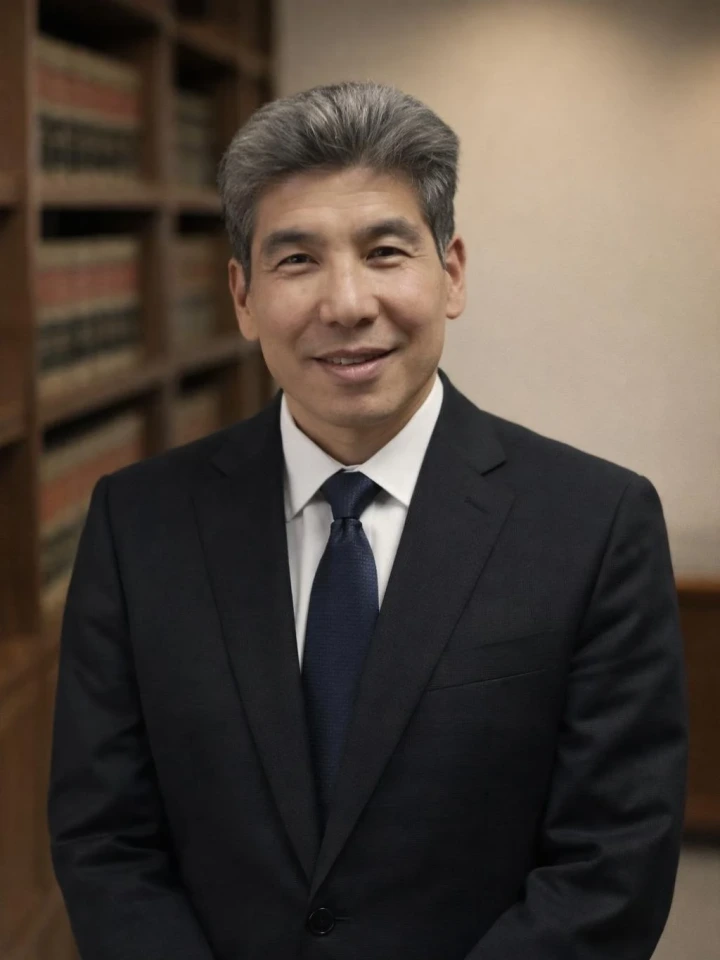
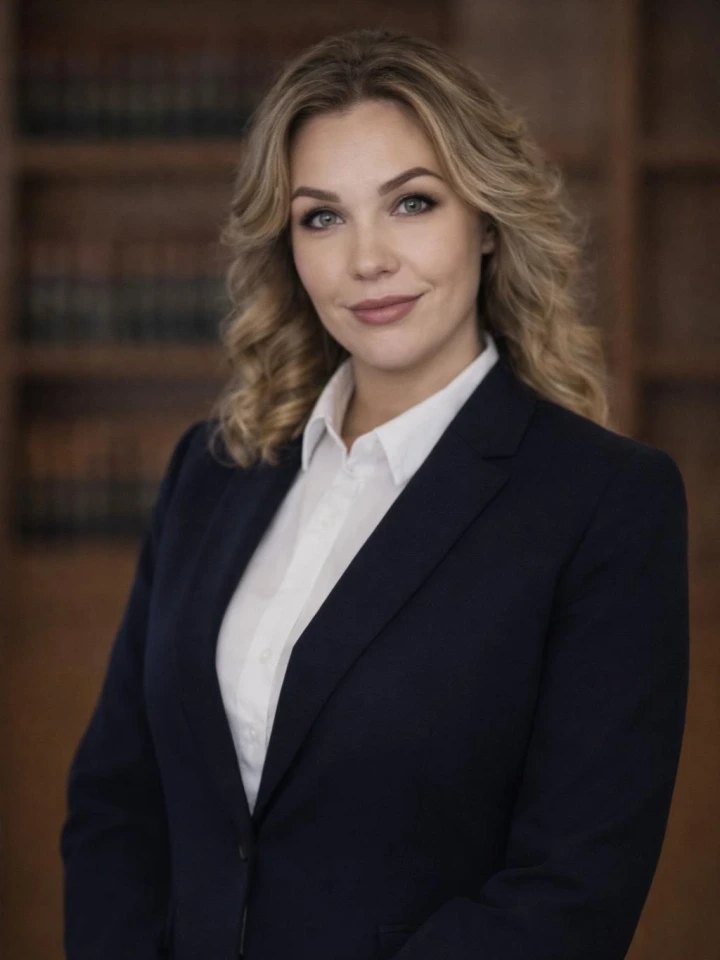
The Bonafacto teamlawyers in intellectual property
Team
We handle a case from start to finish with the same team: you always know who is dealing with your matter and who to contact.
Court defence lawyer
Family lawyer
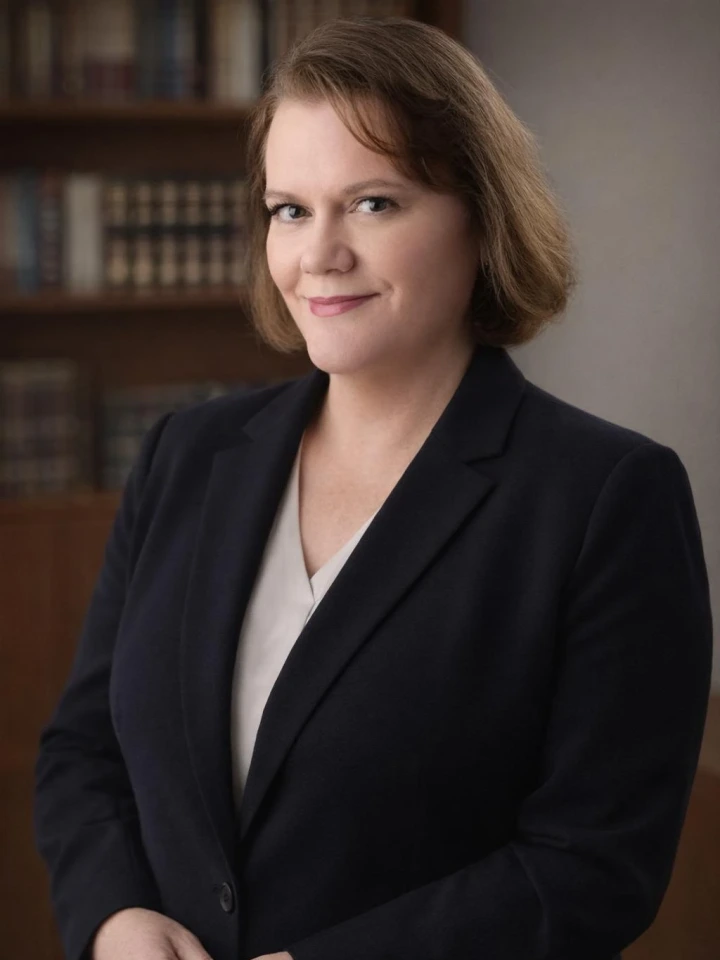
Civil and family law lawyer
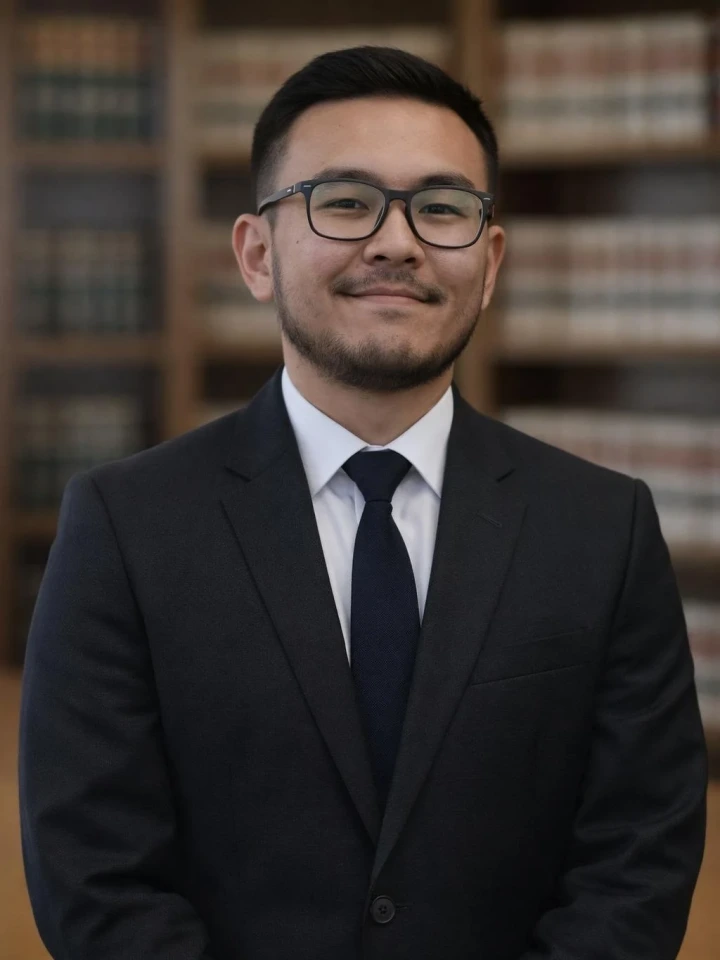
Business support lawyer
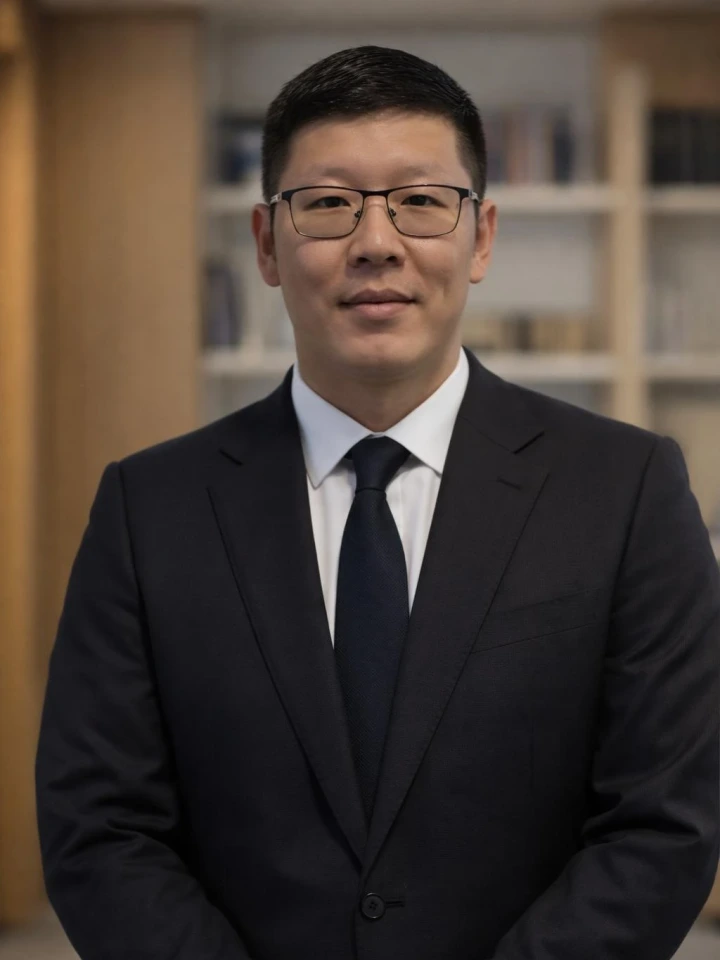
Legal consultant
Corporate and employment disputes lawyer
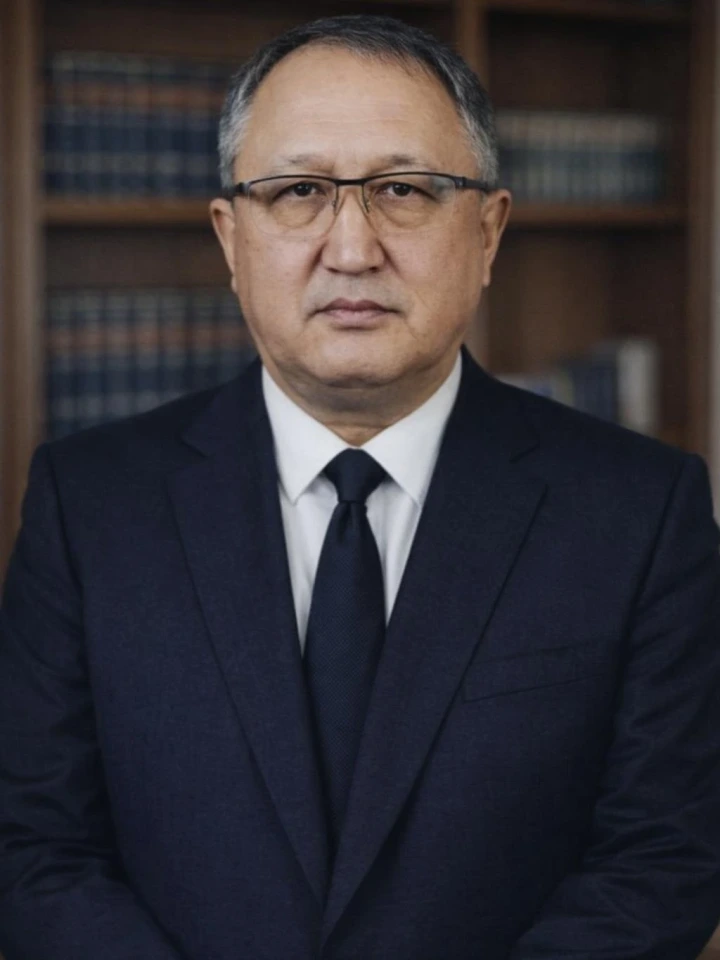
Tax disputes legal counsel
Practice
Details have been changed and anonymised: the content of the case is protected by professional privilege.
Useful information
Developers, designers and studio owners in Almaty come with different requests: one has had a team break up and needs to confirm rights to code, another has received a claim from a marketplace over content, and a third already has competitors using its brand. What these situations have in common is one thing — the result of intellectual activity exists, but the rights to it are not secured, or are secured incompletely.
The article examines what exactly a lawyer for intellectual property protects in an IT product, how works made for hire and commissioned works are structured, which terms matter in contracts with a team, how trade mark registration and clearance of a designation before filing are carried out. Open licences, transfer of rights, responding to a claim and litigation over rights to code and content are considered separately.
In Kazakhstan, source code is expressly classified as an object of copyright: it is protected because it is expressed in an objective form — written in a file, placed in a repository or delivered to the client. Registration is not required; protection arises from the moment the code is created. However, proving authorship without a recorded date and version content is difficult, so the question of confirming copyright in code is addressed in advance, not at the moment of a dispute.
Recording authorship is not only about deposit but also about working practice: version tracking, written assignments, acceptance certificates, and naming authors in internal documents. If code is created by an employee within the scope of their employment duties, economic rights as a general rule belong to the employer, while moral rights remain with the author. In a contract for work, rights transfer only to the extent expressly stated in the contract, so without a clause on transfer of rights the developer remains their holder.
A work made for hire is created by an employee within the scope of their employment duties, and the economic rights belong to the employer unless a contract or agreement provides otherwise. A commissioned work arises from a civil law contract, and the rights pass to the customer only to the extent stated. Without a clause on the transfer of rights, the customer receives only the right to use the work within the agreed limits, while the right to dispose of it remains with the author.
The work-for-hire regime is convenient for ongoing development, but it requires precise wording in the employment contract and the job description: it is necessary to describe which objects are created within the scope of the employment function and that the economic rights belong to the employer. Otherwise the author may challenge the ownership of the rights. Court practice relies on the actual content of the duties.
In a commissioned work contract, the subject matter and the moment when the exclusive right passes are important: the specific result, the manner of use, and the scope of rights, including modification and further assignment. Silence is interpreted in favour of the author. A lawyer checks that the subject matter matches the result, the procedure for transferring rights, and the consequences of termination.
Copyright arises from the moment of creation, registration is not mandatory, but documenting authorship helps in a dispute. It is worth keeping the terms of reference, correspondence, file versions, and acceptance acts.
Rights to a work made for hire and to commissioned development are allocated by contract, and by default the rules differ. If a programmer or designer is in an employment relationship, the exclusive right to a work created within the scope of employment duties belongs to the employer, but the employee retains personal non-property rights. With a contractor or freelance performer, the right by default remains with the author, and the customer receives only the possibility to use the result within the agreed limits. Therefore, a contract with a developer must expressly record the transfer or grant of the exclusive right, otherwise the company risks being left without the asset it has invested in.
A contract with a designer requires the same certainty, since the result of creative work is protected as a work. It states the types of use, the territory, the term and the possibility of transferring rights to third parties, as well as the moment from which the customer becomes the right holder. If the designer engages subcontractors or uses third-party fonts, photographs and illustrations, liability for the cleanliness of the rights and possible claims should be placed on the contractor. Without this, the customer may receive a layout that cannot lawfully be used in advertising or on a website.
| Clause | Risk if omitted | How to secure it |
|---|---|---|
| Scope of deliverables | Dispute over what exactly has been created | List in an annex to the contract |
| Scope of rights | Use beyond what has been agreed | Methods of use, territory, term |
| Moment of transfer of rights | The customer does not become the rights holder | Explicit wording and an acceptance certificate |
| Third-party materials | Claims by rights holders | Contractor's warranties and liability |
| Subcontracting | Unknown authors of the result | Approval and contracts with each of them |
| Termination | Loss of access to the source files | Procedure for handing over materials |
Checking these clauses before work begins reduces the likelihood of a dispute over ownership of the result.
A trademark protects the designation under which a company sells goods or services. In Kazakhstan, the exclusive right arises after state registration with the authorised body. An application is filed by an LLP or an entrepreneur, indicating the IIN or BIN, the Nice Classification classes and the designation itself. An intellectual property lawyer handles trademark registration from the search through to obtaining the title document, in order to reduce the risk of refusal and disputes.
A preliminary trademark search is needed before filing an application. A specialist checks the state register and filed applications for identity and similarity. If a similar designation is found in the same classes, the application is adjusted or the mark is changed. This saves time and the costs of prosecution.
Trademark registration in Almaty proceeds either directly by the applicant or through a patent attorney: an application is filed, examination is carried out, and then a decision is issued. If refused, a reasoned response is prepared. After registration, the mark is entered in the register, a certificate is issued, and the right is valid for the term specified by law, with the possibility of renewal.
Work with a designation includes several stages.
Visual designations of a brand are protected in different ways, and this determines the scope of protection. A logo as a work of fine art arises from the moment of creation and is protected by copyright without registration. A product or company name is not protected by copyright: short word designations are not recognised as an object, so protection of a name is built on trademark registration. An intellectual property lawyer breaks the brand down into elements in order to choose the correct protection regime for each.
Trademark registration gives an exclusive right and the ability to prohibit the use of similar designations in respect of identical goods and services. In Kazakhstan, trademarks are registered by the authorised body through RSE "NIIIS": the application undergoes a formal examination and a check for identity and similarity with marks already protected. Copyright in a logo does not require registration, but proving authorship and the date of creation without fixation is more difficult. That is why protection of a logo combines both regimes: the work and the trademark.
Rights to a product begin not with registration but with the contract: if it does not describe who the rights to the code and content pass to, the dispute will be decided not by the logic of the project but by the literal text.
Content on a website or in an app — texts, photographs, illustrations, video, audio, compilations and databases — is protected by copyright. Under the Law of the Republic of Kazakhstan "On Copyright and Related Rights", the right arises from the moment a work is created, registration is not mandatory, but fixing authorship helps in a dispute. This means that for content protection to work, evidence of who created each item and when must be gathered in advance.
An author's commission agreement or an agreement on assignment of the exclusive right is concluded with authors. The agreement describes the specific materials, the scope of rights transferred, the territory, the term and the moment when rights pass — otherwise a dispute over rights to images and texts is difficult to win. If a work is created by an employee within the scope of their employment duties, the rights pass to the employer as a work made for hire, but the scope and the fact of use are best fixed in the employment contract or a separate act.
Open licences in a commercial product are a contract of adhesion with restrictions, not permission to use the code without conditions. Licences impose incompatible requirements: some prohibit closing derivative code, others oblige distributing it under the same licence, and others require disclosing changes. A conflict arises when components with mutually exclusive conditions end up in a product.
A licence audit starts with an inventory of dependencies: in-house code, third-party libraries, fragments from repositories, contractor code and works made by employees in the course of their duties. For each component the licence text, version and method of integration are checked. Rights to works made in the course of employment and to commissioned development are allocated by contract; by default the rules differ, so the chain of rights holders is confirmed by documents rather than by the fact of access to the repository.
An intellectual property lawyer is interested in a licence as a source of obligations for the business. The specialist compares licence terms, assesses the possibility of closed distribution, and identifies components to be replaced or isolated. Authorship notices, licence texts in the distribution and the procedure for disclosing modifications are checked.
| Item | What we look at | Risk in case of incompatibility |
|---|---|---|
| Third-party library | Licence text and version | Obligation to disclose the product code |
| Employee code | Contract on a work made in the course of employment | Dispute over rights to the result |
| Commissioned development | Contract with the contractor | Absence of rights on the part of the customer |
| In-house code | Borrowings from repositories | Claim by the rights holder |
| Distribution | Authorship notices | Breach of licence terms |
Compatibility is assessed on the combined terms of all licences in the product.
In Kazakhstan practice, the circulation of rights to code, a brand and content rests on two constructs: full assignment of exclusive rights and a licence. In the first case, the right holder leaves the relationship permanently, and the acquirer becomes the sole authorised person — a model typical of the sale of an IT product together with the business. A licence keeps title with the original right holder and merely permits use within defined limits. The choice of construct determines the tax, accounting and control consequences for the entire term of the transaction.
Mixing the regimes in a single text gives rise to disputes over what the parties intended. If the wording allows both assignment and permission, the contract risks being reclassified by a court based on the parties' actual conduct. That is why, already at the drafting stage, an intellectual property lawyer builds the licence agreement as a standalone document with an unambiguous subject matter. Mixed constructs are justified only where the parties' intention is confirmed by additional evidence: correspondence, acts, payment documents.
The claim arrives by email, in the seller's account area or through the hosting form. It states the object of the dispute, the legal norm and the demand: remove the content, take down the app, cease use of the designation. The grounds are the Law of the Republic of Kazakhstan on Copyright and Related Rights, the Law of the Republic of Kazakhstan on Trademarks, Service Marks, Geographical Indications and Appellations of Origin, and the platform's rules. Trademarks are registered by the authorised body through RSE NIIIS, so checking the certificate and the ICGS class is the first step in assessing the arguments.
Each platform has its own procedure: as a rule, the seller is given a deadline to respond and asked to confirm that use is lawful, and if the notice is ignored, the listing or access is blocked. That is why the date of receipt of the claim is recorded, and screenshots, source files, contracts with authors and contractors, licences and correspondence are preserved. The materials show whether the content was created independently, obtained under a contract or reproduced from someone else.
A dispute over copyright in code or content comes down to evidence. The right arises from the moment the work is created; registration is not mandatory, but recording authorship helps. A party's position is built on confirming who created the object and when, and on confirming the transfer of exclusive rights under a contract.
For software, this means source files, the repository, change logs, correspondence with the client, the technical specification and acts. For content — drafts, files with dates, publications, contracts with authors and licences. A court assesses the body of evidence, so it is important to arrange it in a chronological chain.
The position depends on whether authorship, ownership of the exclusive right or the fact of use is being disputed. If the object was created by an employee, the employment contract and the work assignment matter. If a contractor was engaged, the contract, the act and the terms on transfer of rights are examined.
Together with the claim, interim measures can be requested — prohibiting the defendant from using the object, seizing copies and equipment, and evidence online is recorded in advance by notarial inspection. During the proceedings, the court examines the evidence, may order an expert examination and determine compensation or damages.
Personal data in an app is not only an information protection regime but also an asset linked to the rights in the product. The user base, activity history, settings and analytics form the value of the service. That is why data processing in Kazakhstan is addressed at the intersection of personal data legislation and intellectual property law. An intellectual property lawyer treats data as part of intangible assets rather than a technical burden.
The privacy policy sets out what information is collected, for what purpose, to whom it is transferred and how long it is stored. The document is aligned with the user agreement, the offer and the content use rules. If the product is created under commission or by employees, it is important to determine in advance who owns the rights to the code, design, databases and related materials.
Protecting an IT product is a system, not a one-off action. It starts with an intellectual property audit: who owns the rights to the code, design, texts, database and marks, and whether there are documents from authors and contractors. In Kazakhstan, a product is usually created by an LLP, so the rights should belong to the company rather than to the developers or the manager. Where there are several contributions, the timelines and scope of rights are set out in civil law contracts.
Based on the audit, the contractual work is structured: employment contracts on works created in the course of employment, copyright commissioning, assignment of exclusive rights and licences. Contractors, freelancers, third-party libraries and open source are dealt with separately. The lawyer checks that each chain has a document confirming the transfer of rights to the customer, otherwise the product is used without the right holder's consent.
Marks are registered as trade marks, while design and content are secured by contracts and recording of authorship. Monitoring covers the internet, marketplaces, advertising and domains for similar marks and copied code. In the event of infringement, a letter of demand is prepared, together with a request to cease use and remove the content, and, where necessary, an application to the authorised body and the court.
Taken together, this provides comprehensive protection: rights are confirmed by documents, the risk of loss is reduced, and the response to infringement relies on evidence.
Reviews
I came to sue, but they told me to first register the trademark, I even had doubts. Turns out that's what solved the issue, the competitor backed off on their own. At first I thought I'd waste time, but everything was explained calmly. You know, it was nice that they didn't drag me straight to court. Thanks, everything was done fast
Service: IT and Intellectual Property in Almaty
I came with a contract for app development, we already had signed papers with the team, and I was really nervous that something was missed. I was looking for a lawyer because none of my friends had dealt with IT. At the consultation they went through every clause, and found a risk with the product name. Turned out our brand could conflict with an already registered one. I would never have noticed it myself. We managed to change it before the advertising went out. Very grateful for the attention to detail, though sometimes I had to ask again. Now I'm calm about my project
Service: IT and Intellectual Property in Almaty
Thank you for the detailed review. We're glad we managed to fix the name before the advertising launch — these things are better sorted out in advance.
The listings on the marketplace were blocked, and they got them unblocked in nine days. They also suggested registering the brand so this wouldn't happen again.
Service: IT and Intellectual Property in Almaty
I was working with a client without a contract, and then a claim came in over the mock-ups. I didn't know where to go, asked around among people I know and ended up here. They explained what I needed to do, and the rights stayed with me. Thank you, it didn't take long
Service: IT and Intellectual Property in Almaty
Before signing with an investor, they found two risks relating to the code and the brand. I was very worried about this, because time was tight. At the office they explained everything clearly to me, there was no pressure at all. Within a month we had everything in order. The deal went ahead on schedule, and work with the investor is continuing.
Service: IT and Intellectual Property in Almaty
Came in with a question about rights to a logo, didn't understand myself where to turn. Thanks, they sorted it out quickly, explained everything
Service: IT and Intellectual Property in Almaty
The claim over the mark turned out to actually be about the former contractor's code. Without your help I would never have understood that.
Service: IT and Intellectual Property in Almaty
We were preparing for Astana Hub, but found that the database was on a foreign server, I got scared we wouldn't make it in time. Why I went to a lawyer is because I didn't understand how to transfer it and what to do with the documents. They transferred it, the documents were accepted without any issues. Very happy we made it on time. Thanks
Service: IT and Intellectual Property in Almaty
I just wanted to get copies of the listings for the marketplace, but Natalya noticed that the rights to my own photos weren't properly formalised. Now everything is covered by a contract, I'm at ease
Service: IT and Intellectual Property in Almaty
I got in touch not knowing who to go to, because I had a dispute with a contractor over the code and the brand at the same time. Here they immediately said which area was needed and brought in the right specialist. True, I had to wait a bit for an answer at the start, but after that everything went quickly. I liked that I didn't have to figure out all the finer points myself. They explained things in simple words, without any unnecessary fluff. In the end the matter was resolved, and I was satisfied. I'll recommend them to people I know if they have a similar situation
Service: IT and Intellectual Property in Almaty
I came in with a contract from the developers, didn't understand myself what was written there. They explained everything in plain language, didn't overload me with terminology
Service: IT and Intellectual Property in Almaty
Thank you for getting in touch. We're glad we managed to explain everything clearly and without unnecessary complications.
Before registration they checked the name for free, I saved on the fee and time. I came across this company by chance, but I'm happy. When I spoke with Dulat he explained everything clearly. However, I had to wait a bit for an answer, a few days passed. Afterwards I needed to bring in additional documents, and that took time too. Still, the result was good, and I think I'll come back here again. Dulat helped me a lot, thank you. Overall I was satisfied
Service: IT and Intellectual Property in Almaty
Thank you, Timur! For your trust in Dulat and in us. Bringing in the documents can take time, but we're glad about the result.
The dispute dragged on for six months with another lawyer, here it was resolved in three weeks, they simply approached the issue from a different angle.
Service: IT and Intellectual Property in Almaty
I spent a long time looking for someone who actually deals with these matters, because I had both code and a brand and platforms. Many lawyers said it wasn't their profile. Here it's one window for everything. At first I had doubts, but decided to give it a try. Everything was done in one place, I didn't have to run around to different offices. True, a couple of times I had to remind them about myself, but that's not critical. In the end all three areas were closed. I'm glad I found such specialists
Service: IT and Intellectual Property in Almaty
I approached them about the rights to an app that we made with a team. Good team, they work fast and to the point
Service: IT and Intellectual Property in Almaty
Thank you for the kind words. Always happy to help with IT and intellectual property matters.
I thought I had a dispute with a competitor over the brand, turned out the issue was actually in the contract with the contractor. Zhanibek explained everything calmly, no stress. We figured it out, everything turned out not as scary as it seemed. I'd recommend them, if anything
Service: IT and Intellectual Property in Almaty
Thank you, Ruslan! I'm glad the issue got resolved. We passed your gratitude on to Zhanibek.
I came with the idea of suing my former partner, but Natalya honestly said there were few prospects. Thank you for the honest assessment, they didn't drag out money for a hopeless dispute
Service: IT and Intellectual Property in Almaty
I was preparing documents for Astana Hub, but got confused in the requirements myself. Noyan helped put everything together and check it. There were a couple of mistakes in my papers, had to redo them. Otherwise everything went smoothly. The documents were accepted on the first try. Very pleased with the result. Thank you for the help
Service: IT and Intellectual Property in Almaty
Thank you for the review. Glad the documents were accepted on the first try — good luck at Astana Hub!
I approached them about a trademark, because I wanted to protect my coffee shop's brand. I also asked them to check the contracts with the website developers. They found a gap on rights that I wouldn't have noticed myself. I had to clarify details a couple of times, but everything was explained. In the end everything was fixed and the trademark was registered. Very glad I didn't leave it for later. Now I feel protected
Service: IT and Intellectual Property in Almaty
Thank you for your trust. Glad we could help with both the brand and the contracts.
I approached them about the rights to code, Dulat sorted everything out. Fine, all questions were closed
Service: IT and Intellectual Property in Almaty
For a long time I couldn't figure out who to approach with a question about copied packaging design. Aizhana immediately laid everything out clearly. Thank you
Service: IT and Intellectual Property in Almaty
I came with a question about protecting the rights to a program, because none of the lawyers I knew understood IT. They work at the intersection of IT and law, which is rare. You can see they understand both areas
Service: IT and Intellectual Property in Almaty
Pleasantly surprised that they immediately said not to sue, but to register the trademark. It turned out cheaper and faster.
Service: IT and Intellectual Property in Almaty
I'm approaching them for the second time, first about a trademark, now about a marketplace. Zhanibek helped, but I had to wait a couple of days for an answer. Convenient that everything is in one place
Service: IT and Intellectual Property in Almaty
Thank you, sorted out my brand issue
Service: IT and Intellectual Property in Almaty
Thank you for your feedback. Glad we could help.
Came with a task of protecting code from copying, didn't know where to start myself. They know IT specifics well, which is rare for lawyers
Service: IT and Intellectual Property in Almaty
I approached them about a dispute with a marketplace because my product was blocked. And I also got advice on trademark registration. A comprehensive approach, I'm happy
Service: IT and Intellectual Property in Almaty
I didn't know which area my issue fell under, tried asking in different places. When I came here they identified three areas at once. Code, brand and contract – all resolved together. Thank you for your help
Service: IT and Intellectual Property in Almaty
Blog

Taxes, liability and restrictions by type of activity.
Read the guide
What confirms an employment relationship and how to keep it in order.
Read the guide
At what stages of a dispute this is possible and what to check before signing.
Read the guide
What the amount consists of and how to claim recovery.
Read the guide
When it is mandatory and how to record delivery.
Read the guide
What documents are needed and how the court and enforcement proceed.
Read the guideFAQ
Didn't find your question? Ask it directly — we'll reply on WhatsApp.
Ask a questionWith an assessment: tell us what happened, and we will determine which of the four practice areas it falls under — copyright, IT, trademarks or marketplaces. From there, a specialist in that practice area handles the matter, and you don't have to retell your situation from scratch.
A trademark is a designation that is registered separately and protects a brand in specific classes of goods and services. Copyright arises automatically from the moment a work is created — text, code, design — and does not require registration. If the question is about a business name or logo, you most likely need a trademark lawyer; if it is about the code, text or image itself, you need a copyright lawyer.
Yes, this is a separate practice area within the section. A marketplace operates under its own offer, and disputes with it — blocking, fines, withholdings, complaints about counterfeit goods — are handled by a marketplace lawyer who knows how to read these documents and work with the platforms' internal procedures.
Almost always — rights need to be recorded first. A claim without a registered mark or without a document confirming the transfer of rights to the code often turns out to have nothing to back it up. We check this at the very start and say plainly if the dispute first needs registration or another document rather than a hearing.
Yes. Reviewing the situation and identifying the direction are free, and after that you decide what to order — a written opinion, a single document or full support. We will not push extra scope on you.
Yes, this is a standard task at the intersection of IT and copyright: we review the contract with the contractor, check whether there is a clause on the transfer of exclusive rights and, if necessary, formalise the transfer by a separate agreement, including in respect of code that has already been created.
Yes. We check that contracts with the team, licences for the software used and personal data documents comply with the conditions of the status — a mismatch can go unnoticed until a review begins.
A preliminary similarity check is free. An extended search with a written opinion on the risks is a paid service, and the price is shown in the pricing block on the page.
The specialist in the practice area handles the case personally if the dispute falls within their field — for example, trade marks or copyright. Where a different profile is needed, such as a corporate or litigation lawyer for general civil matters, a colleague within the same practice steps in, and the client stays with the same firm.
Yes, that happens often, especially before a deal with an investor. We distribute the tasks among the specialists in the practice area and synchronise the timelines so that the questions are closed in parallel rather than one after another.
Yes. Copyright also concerns private authors — photographers, designers, writers — and disputes over copying content or protecting a brand also arise for individual entrepreneurs.
Contacts and maps
2GIS opens in a separate tab — the service does not allow embedding an organisation's listing.
Open in 2GISZoon opens in a separate tab: it has client reviews and ratings.
Open on ZoonThe first consultation is free. If the matter can be resolved without court, we will say so directly.