Disputes in the economic court
Recovery of debts under supply, construction, lease and services, penalties and losses between companies and individual entrepreneurs.

We recover debts under supply, construction and services contracts in the economic court
We represent companies in arbitration and the AIFC Court
We draft arbitration clauses that work
We set aside and enforce arbitral awards
We handle disputes between participants and recover damages from directors
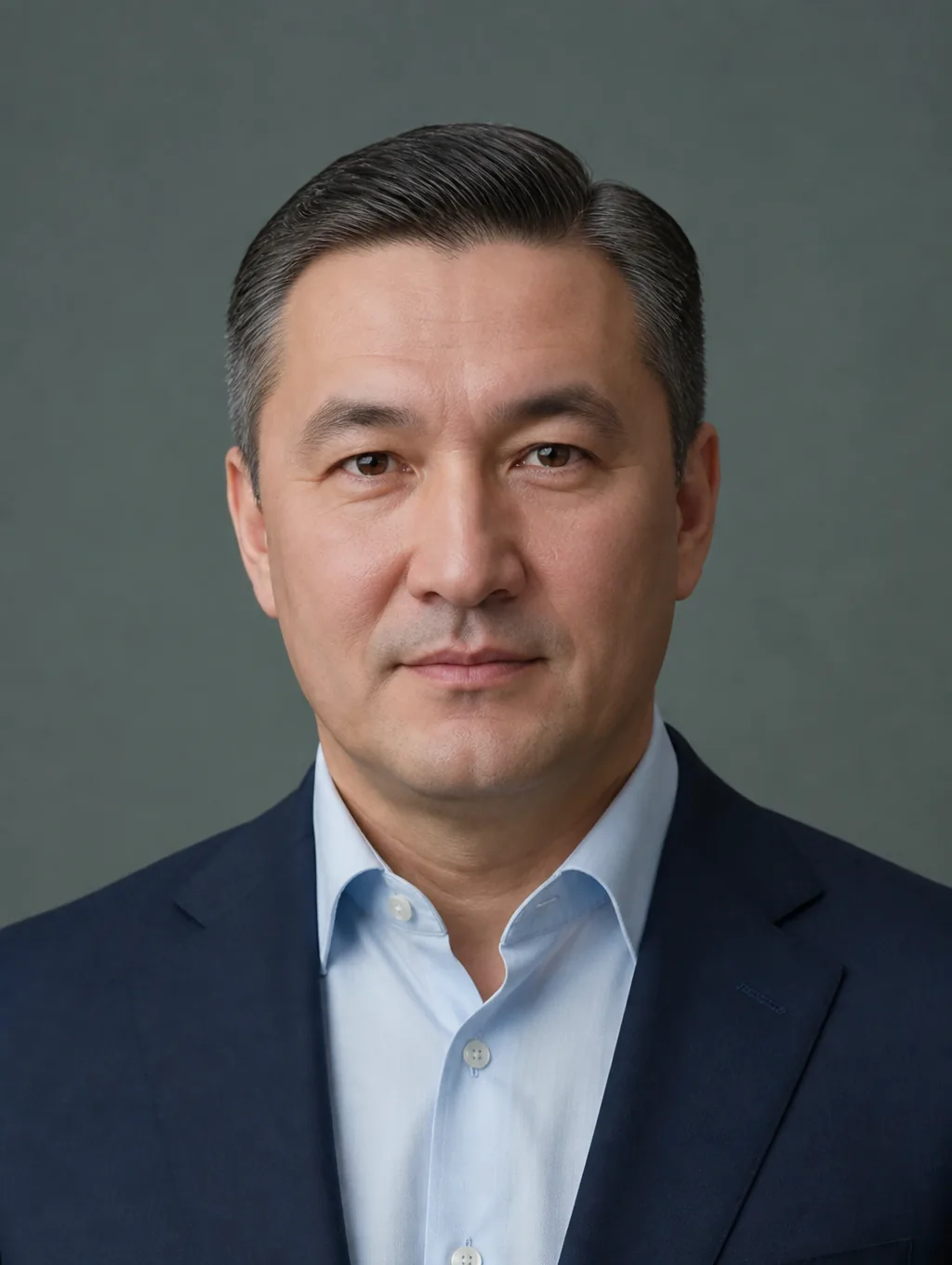
Send me the contract, the correspondence and the calculation of your claims — I will tell you in which court or arbitration your dispute will be heard and what will decide its outcome.
Message us on WhatsAppRecovery of debts under supply, construction, lease and services, penalties and losses between companies and individual entrepreneurs.
Claim or response, formation of the tribunal, hearings and work with evidence under the arbitration rules.
We choose the arbitration, rules, place and language so that the clause does not become grounds for a years-long dispute over jurisdiction.
Applications to set aside arbitral awards and to issue a writ of execution, and defence against such applications.
Recognition and enforcement in Kazakhstan of foreign arbitral awards against Kazakhstan companies.
Challenging decisions of the general meeting, dilution of shares, recovery of documents, withdrawal and expulsion of a participant.
Recovery of losses from a manager arising from disadvantageous transactions, transactions with affiliated persons and asset stripping.
Negotiations, mediation and judicial conciliation when reaching an agreement is more advantageous than waiting for a decision.
The first consultation is free. We will review the contract and correspondence, determine where the dispute is being heard — in an economic court or arbitration — and tell you honestly whether winning will cover the cost of the process.
Cost
Guidelines for business disputes. The price depends on the amount and complexity of the claims, the volume of documents and where the dispute is being heard — we quote it after reviewing the contract.
| Service | What is included | Cost |
|---|---|---|
| Consultation on an economic dispute | Review of the contract, correspondence and the parties' positions | free of charge |
| Pre-action claim and pre-trial work | Calculation of claims, pre-action claim, negotiations | from 50,000 ₸ |
| Conducting a case in an economic court | Statement of claim or response, evidence, hearings | from 350,000 ₸ |
| Representation in arbitration | Statement of claim, position, hearings, work with arbitrators | from 500,000 ₸ |
| Drafting an arbitration clause | Choice of arbitration, rules, seat and language | from 60,000 ₸ |
| Setting aside an arbitral award or enforcement order | Application and representation in court | from 250,000 ₸ |
| Recognition of a foreign arbitral award | Application, translation, enforcement | from 400,000 ₸ |
| Corporate dispute | Challenging decisions, damages, company documents | from 400,000 ₸ |
| Appeal in an economic case | Appeal or response and representation at the hearing | from 200,000 ₸ |
Prices are not an offer. State duty, arbitration fees, arbitrators' fees, expert examinations and translations are paid separately — we quote them before the process begins.
Terms, dispute resolution clause, pre-action procedure, liability of the parties.
Economic court, arbitration or the AIFC Court — this determines the timelines, costs and rules.
Amount of claims, penalty, costs of the process and likelihood of enforcement of the award.
We fix the stages and the fee, and separately — duties, fees and arbitrators' fees.
A pre-action demand, and where the parties are willing, mediation.
We file the claim, and where there is a risk of assets being moved, we seek freezing of accounts and property.
Evidence, expert examinations, witnesses, hearings and written submissions.
Writ of execution, recognition of the judgment, recovery through court enforcement officers.
Tell us what is happening and we will say whether accounts can be frozen before the court decision.
Team
Defence in a criminal case, a court dispute and the documents for it — all within one team: the case is not passed between firms, it is handled by an advocate of the relevant profile.
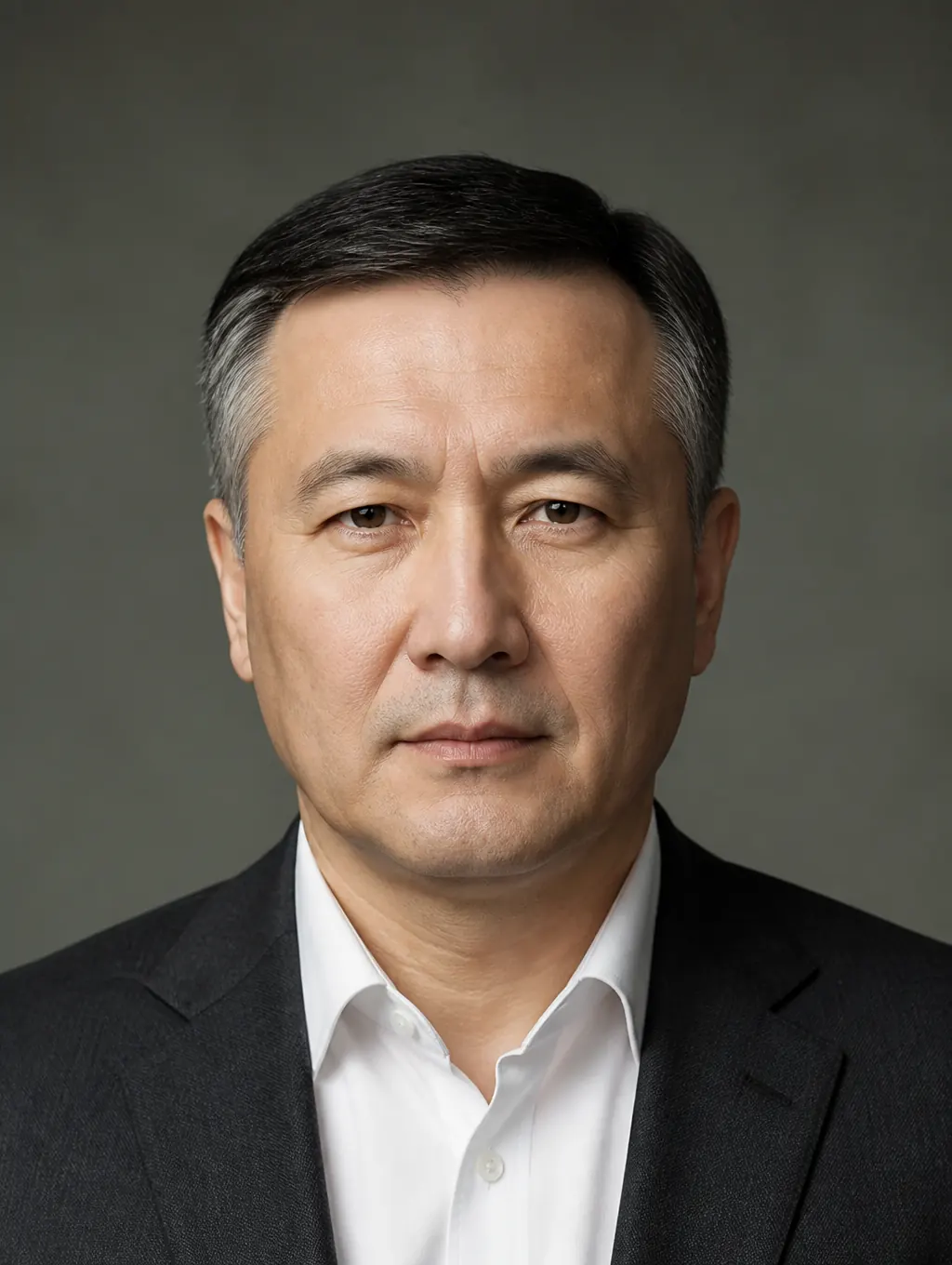
Advocate for criminal cases
Defence from the moment of detention: participation in interrogations, appealing the preventive measure, work with expert examinations and the procedural agreement.

Advocate for family cases
Dissolution of marriage, determination of the child's place of residence and contact arrangements, alimony, division of the spouses' common property.
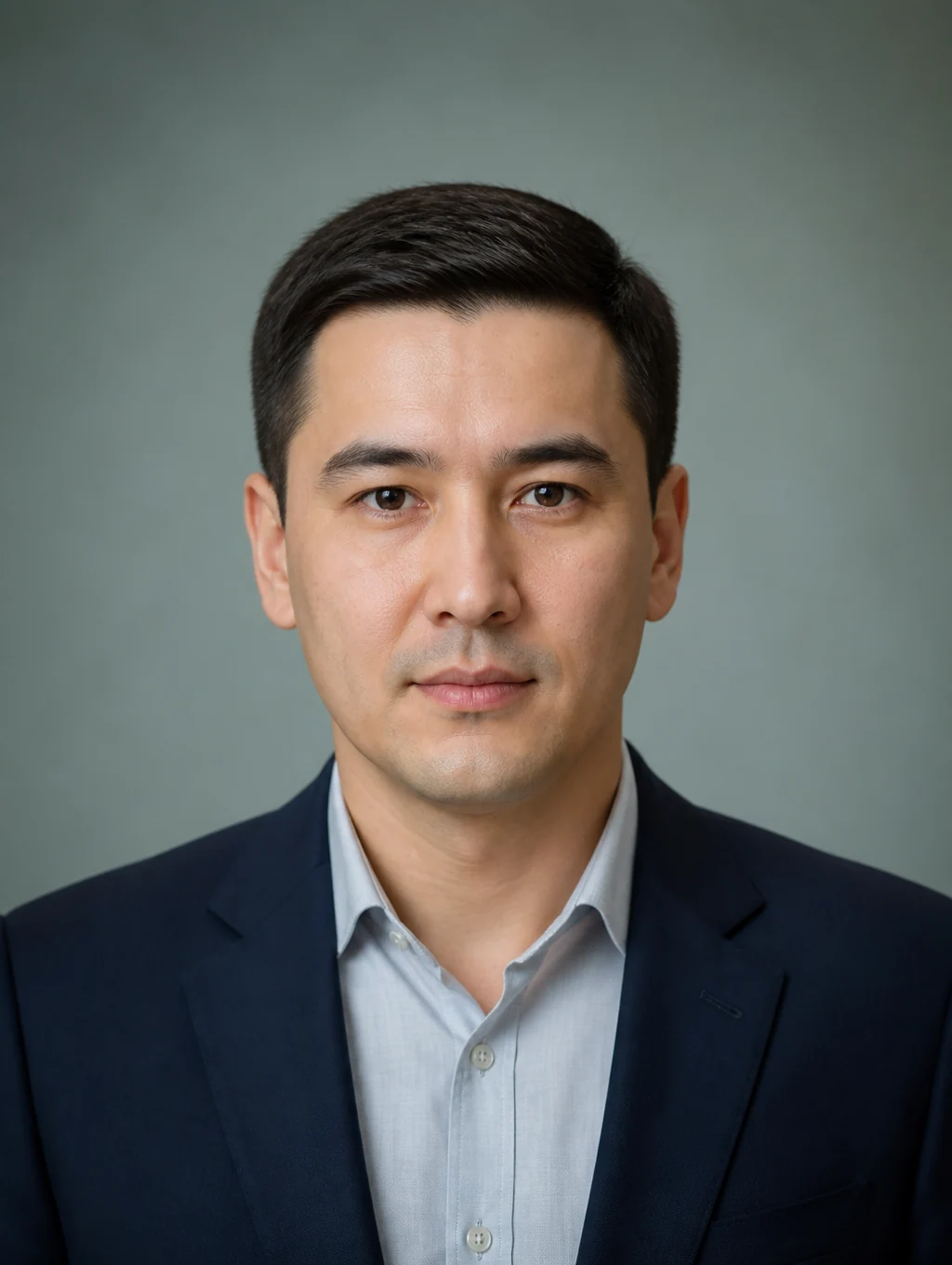
Advocate for civil cases
Representation in court in contractual, housing, land and inheritance disputes, appeal and cassation.

Advocate for economic and administrative cases
Defence of businesses and executives: tax and customs cases, searches and seizures, disputes with state bodies under the Administrative Procedural Code.

Lawyer for civil cases
Prepares statements of claim, pre-action claims and calculations for the court case, gathers evidence and handles correspondence with government bodies.

Lawyer for family and social matters
Maintenance and property division agreements, consents for a child to travel abroad, documents for guardianship authorities and for court.
Practice
Details have been changed and anonymised: the content of the case is protected by professional privilege.
Useful information
A company director or shareholder arrives with a typical set of issues: the counterparty is not paying under the contract, the text contains an arbitration clause, they hold an award from an arbitral institution, or business partners have entered into open conflict. Out of Russian habit, such a request is often framed as an "arbitration lawyer" and they immediately look for a state arbitration court, which does not exist in Kazakhstan. As a result, time is lost on determining jurisdiction, and sometimes the pre-action claim procedure is missed, and the court returns the claim or leaves it without consideration.
The article examines where business disputes are heard in Kazakhstan: the Specialized Interdistrict Economic Court, arbitration by agreement of the parties, and the court of the Astana International Financial Centre. It separately addresses the arbitration clause and its enforceability, the procedure for recognising foreign arbitral awards, corporate conflicts and claims against a director, as well as mediation and judicial conciliation as workable settlement scenarios.
Kazakhstan has no state arbitration courts. Commercial disputes are heard by a specialized economic court within civil proceedings, while "arbitration" in Kazakhstan law means arbitral proceedings — an alternative way of resolving a conflict by agreement of the parties. Therefore, the request for an "arbitration lawyer" in Almaty and other cities covers several different situations.
Behind the phrase "arbitration lawyer" there is most often a need for a representative before an economic court: recovery of debt, challenging transactions, enforcement of supply, construction and services contracts. The dispute proceeds under the rules of the Civil Procedure Code of the Republic of Kazakhstan, and the decision is made by the court. The lawyer handles the case from preparing the claim and interim measures through to enforcement proceedings via a court enforcement officer.
The second meaning is arbitral proceedings proper. The parties may refer a dispute to a permanent arbitration or to ad hoc arbitration if this is set out in the contract or in a separate arbitration agreement. The lawyer's task is to check the validity of the arbitration clause, form the arbitral tribunal, prepare the position and later secure recognition and enforcement of the arbitral award.
Kazakhstan has no state arbitration courts as in Russia. Economic disputes are heard by specialized interdistrict economic courts — specialized courts equated to district courts, where judges apply the rules of the Civil Procedure Code of the Republic of Kazakhstan. In Kazakhstan law, "arbitration" means arbitral proceedings: the parties to a contract refer the dispute to chosen arbitrators or to a permanent arbitration, and the award is enforced through a state court. The third format is the court of the Astana International Financial Centre, which hears disputes involving centre participants, disputes concerning its activities, and disputes referred there by agreement of the parties.
An "arbitration court lawyer" — as a representative in arbitration is habitually called — and a representative before an economic court work towards the same goal, proving the client's position, but in different procedural conditions. In a state court the case is conducted openly, hearings are scheduled by the court, the parties exchange responses and evidence, and the decision is reviewed by appeal and cassation. In arbitral proceedings the procedure is determined by the rules and the agreement of the parties, hearings are closed, and appeal is limited — the award can only be set aside on the exhaustive list of grounds in Article 52 of the Law of the Republic of Kazakhstan "On Arbitration". The AIFC court combines common law procedure with Kazakhstan enforcement: the case is conducted under the rules of the court, the language of proceedings is English, and decisions are recognised and enforced on the territory of the republic.
| Where the dispute is heard | Composition | Openness | Appeal |
|---|---|---|---|
| Economic court | State judge | Open hearing | Appeal, cassation |
| Arbitration (arbitral proceedings) | Chosen or appointed arbitrator | Closed proceedings | Limited grounds |
| AIFC Court | Judge of the AIFC Court | Under the court's rules, English language | Appeal to the AIFC Court |
Jurisdiction and the language of the proceedings are determined by the contract, the status of the parties and the nature of the dispute.
In Kazakhstan, a dispute between companies is heard by a specialised economic court. Its jurisdiction covers claims arising from supply, construction, services, lease and carriage contracts, as well as disputes over the recovery of debt and penalties. Lawyers prepare the claim, gather evidence of performance of obligations and represent the client at hearings. Corporate conflicts are dealt with separately: challenging decisions of management bodies, a participant's withdrawal from an LLP, disputes over a share and the recovery of partnership documents.
A distinction should be drawn between the state economic court and arbitration: arbitration is the resolution of a dispute by agreement of the parties instead of the state court, and it is governed by the Law of the Republic of Kazakhstan on Arbitration. The parties may include an arbitration clause in the contract in advance and refer the conflict to chosen arbitrators. Legal services in this format require scrutiny of the agreement itself, its enforceability and the procedure for forming the panel of arbitrators.
The pre-trial claim procedure is mandatory when it is expressly established by law for a particular type of contract or when the parties have included such a condition in the contract: by law a claim is mandatory, for example, in disputes arising from the carriage of goods, and for supply, works and services — if such a condition is present in the contract. A separate rule applies to disputes with state bodies: under the Administrative Procedural Code of the Republic of Kazakhstan, a complaint is first filed with a superior body, and only after that is the dispute considered by an administrative court. If the mandatory procedure is not observed, the claim may be left without consideration, which delays the protection of interests and creates unnecessary costs.
Even when a claim is not mandatory, it records the party's position before trial, gives the counterparty a chance to remedy the breach voluntarily and builds the evidentiary base. A well-drafted claim with a calculation and references to primary documents often leads to payment or the signing of an agreement without going to court.
The counterparty's response to the claim becomes evidence in the proceedings. Silence or a refusal to acknowledge the debt can be used to confirm delay and bad faith. In arbitration, the response and correspondence help to show that the dispute has not been settled by the parties voluntarily, and therefore requires a hearing.
An arbitral award is not appealed on the merits. It can be set aside only on limited grounds related to procedure and public policy. Therefore, the quality of pre-trial work and the correct recording of correspondence directly affect whether a party will be able to protect its interests at subsequent stages.
An arbitration clause is a contract term under which the parties agree in advance that a dispute will be considered not by a state court but by a specific arbitration. In Kazakhstan these are permanent arbitration institutions, ad hoc arbitrations and international arbitration institutions, if the parties have referred to them. The clause works only when it makes it unambiguously clear where to go for resolution of the conflict. Otherwise the court may find it unenforceable and consider the dispute itself.
The main reason for unenforceability is uncertainty. Wording such as "the dispute is resolved in arbitration", "at the location of the claimant", "in a competent body" names neither a specific arbitration nor the procedure for its formation. It is impossible to establish which body should consider the case, and the defendant cannot object to jurisdiction. The state court decides that the will of the parties is not expressed and accepts the case for proceedings.
The second reason is internal inconsistency. If the contract simultaneously specifies a state court and an arbitration, or names two different arbitrations without priority, it is unclear which condition to apply. References to rules that are not attached to the contract or did not exist at the time the transaction was concluded also create risk. A party interested in delay may challenge the clause and move the dispute to a state court.
The main mistake in such cases is to file a claim without checking two points: whether the pre-trial claim procedure has been observed and whether the arbitration clause is enforceable. If the clause does not allow a specific arbitration to be identified, the court may find it unenforceable and consider the dispute itself, and then the dispute remains within state jurisdiction.
Arbitration in Kazakhstan is a tribunal procedure where a business dispute is heard by arbitrators chosen by the parties. The parties themselves form the panel: the number of arbitrators, the appointment procedure, and qualification requirements. If the arbitrators cannot be agreed, an appointment mechanism applies through a competent authority or an arbitration institution whose rules are chosen in the agreement. Legal services in arbitration begin with an analysis of the arbitration clause and the selection of a panel capable of understanding the industry specifics of the dispute.
The procedure is built around written positions: the statement of claim, the response, objections, evidence and closing submissions. There is no strict procedural form, so the outcome is determined by written argument. The rules of the specific arbitration institution set the procedure for exchanging documents and holding hearings, and any deviation from them creates risk for a party. Positions are prepared on the basis that the award will be scrutinised during enforcement.
Once an arbitral award is rendered (by a permanent arbitration institution or an ad hoc arbitration), it must be enforced. If the debtor does not perform voluntarily, the creditor applies to a state court for a writ of execution. The court reviews the award on formal grounds and, if there are no obstacles, issues the writ, which is then passed to a court enforcement officer. Compulsory enforcement follows: freezing of accounts and property, travel restrictions and other measures.
An arbitral award may be set aside only on the exhaustive grounds listed in Article 52 of the Law of the Republic of Kazakhstan on Arbitration: invalidity of the arbitration agreement, incapacity of a party, improper notification of a party about the proceedings or inability to present explanations, non-compliance of the composition of the tribunal or the procedure with the parties' agreement and the law, exceeding the scope of the agreement, contradiction with the public order of Kazakhstan, and non-arbitrability of the dispute. The court does not review the case on the merits. If there are no grounds, the award stands and refusal of enforcement is not permitted.
Refusal of enforcement is likewise possible only on exhaustive grounds similar to those for setting aside. These are supplemented by cases where the dispute cannot by law be the subject of arbitration or the award has not yet become binding on the parties. The court examines these circumstances and issues a reasoned ruling, which may be appealed to a higher instance.
A foreign arbitral award is enforced in Kazakhstan under the New York Convention on the Recognition and Enforcement of Foreign Arbitral Awards, to which the republic is a party. The creditor files an application for recognition and enforcement of the award with the competent court at the location of the debtor or its property, attaching a certified arbitral award and the agreement on which the dispute arose. Documents from a foreign arbitration are filed duly certified and with a translation into Kazakh or Russian; the certification requirements depend on the country where the award was rendered. The court then reviews the award on formal and limited grounds for refusal, and does not re-examine the dispute on the merits.
The review covers the validity of the arbitration agreement and the capacity of the parties, compliance with the procedure for notifying the party against whom the award was rendered, whether the subject matter of the dispute fell within the terms of the agreement, whether enforcement contradicts the public order of Kazakhstan, and whether the award has ceased to be binding in the country where it was rendered. The grounds for refusal are construed narrowly, and the burden of proof lies with the party objecting.
Corporate conflicts in an LLP rarely begin as a dispute for its own sake: usually behind them lie a loss of control, a dispute over profit distribution or an attempt to squeeze out a participant. A corporate disputes lawyer works with the situation before it escalates: reviewing the charter, minutes of meetings, transactions with participatory interests and the partnership's internal documents. This makes it possible to understand whether the client's position has a legal basis and what evidence needs to be gathered.
Challenging decisions of participants' meetings is the most common subject of proceedings. A decision may be declared invalid if the meeting was held in breach of the convening, quorum or voting procedure, and a participant was not notified. Restoring corporate control requires obtaining the partnership's documents: minutes, the register of participants, accounting records and contracts.
Dilution of a share occurs through additional contributions, revaluation of property or transactions with a share in favour of third parties. A lawyer specialising in corporate disputes assesses each action for breach of the pre-emptive right and the requirements of the charter, after which either a claim to have the transaction declared invalid or a claim to restore the position that existed before the breach is filed.
A corporate dispute in a Kazakhstan court is a claim to challenge a decision of the general meeting of participants of an LLP, to have a transaction declared invalid, to recover distributed net income, to compel the buyout of a participant's share and payment of its value, or a claim against the director for compensation of losses. The claim is formulated in relation to the breach: to declare the decision or transaction invalid and apply the consequences, to recover losses, to oblige the partnership to undergo state re-registration when the composition of participants changes. The claimant is a participant of the LLP, the LLP itself, a creditor or another person whose right has been infringed by the contested decision or transaction.
Where the dispute is heard — breach of the Law of the Republic of Kazakhstan on Limited and Additional Liability Partnerships, the defendant is the partnership itself, and not only the director or an individual participant. In disputes challenging a meeting decision, the claimant must prove that they did not participate in the meeting or voted against, and that the decision infringed their rights or caused them losses.
Evidence is built on written documents: the minutes of the general meeting, notices of convening, the charter of the LLP, a certificate of state registration of the legal entity and information on the composition of participants, accounting and banking documents, contracts, expert opinions. If the documents are held by the partnership, an application for their recovery is filed in court. An expert examination is ordered on questions of valuation of the share, the amount of losses or the authenticity of a signature in the minutes.
| Claim | Who is the claimant | How it is proved |
|---|---|---|
| Declare the decision of the general meeting invalid | A participant of the LLP who did not participate in the meeting or voted against | Minutes, notices of convening, charter, register of participants |
| Declare the transaction invalid | LLP, participant, creditor | Contract, approval of a major transaction, powers of the director |
| Recover damages from the director | LLP, participant | Accounting documents, reporting, specialist's opinion |
| Recover distributed net income or the value of a share | Participant withdrawing from the LLP | Decision on distribution of income, charter, calculation of the share |
| Oblige re-registration upon change of participants | Participant, LLP | Certificate of state registration of the legal entity, resolution of the meeting, documents on transfer of the share |
The list of claims depends on the nature of the breach; documents held by the partnership are requested through the court.
Recovery of damages from the director in Kazakhstan is based on the general rules on compensation for damage caused to a legal entity by the actions of its officer (Article 9 of the Civil Code of the Republic of Kazakhstan). The director is obliged to act in good faith and reasonably in the interests of the partnership, so the basis of the claim is his culpable decisions that led to the loss of the company's property. Such disputes are heard by specialised interdistrict economic courts, and in Almaty — by the city economic court. There may be several defendants if the decision was taken collectively or the transaction was approved by the board of directors.
Typical situations: a bad-faith transaction — disposal of liquid assets below market price, acquisition of an asset at an inflated price, gratuitous transfer or forgiveness of debt; a related-party transaction without the required approval of the general meeting or supervisory board, where the director acted in his own interests or in the interests of an affiliated person; withdrawal of assets through a chain of formally independent transactions, where money or property passes to controlled structures and is not returned to the partnership.
It is not always advantageous to take an economic dispute all the way to a court decision: the proceedings take time, require proof and carry the risk of losing. Where the counterparties have maintained working relations and the subject of the dispute comes down to a monetary claim or the terms of a contract, conciliation allows working capital to be returned faster and business reputation to be preserved. In Kazakhstan, economic disputes are heard by specialised interdistrict economic courts, and conciliation is possible both before filing a claim and at any stage of the proceedings.
The legislation of the Republic of Kazakhstan on mediation and the Civil Procedure Code allow two similar procedures. Mediation is an out-of-court settlement with the participation of an independent mediator; the parties themselves determine the terms and the procedure for performance. Judicial conciliation is conducted under the supervision of the court, which explains the consequences of the parties' actions and checks whether the agreement infringes the interests of third parties. If an agreement is reached, the parties submit the text of the agreement to the court, and it approves it by a ruling.
The cost of an arbitration lawyer's services in Kazakhstan is not tied to a single tariff: it is made up of the nature of the dispute and the volume of work. The key reference point is the value of the claim: the larger the amount claimed, the higher the rate. It is also affected by the venue (a state court, a permanent arbitration or ad hoc arbitration), the number of participants, the volume of documents and the need for expert examinations, translations and travel.
The format of the proceedings changes the structure of costs. The Law of the Republic of Kazakhstan on Arbitration regulates arbitration as the resolution of a dispute by agreement of the parties instead of a state court, so the arbitration fee (registration and case review fees) and the arbitrators' fees are calculated separately here. In a state court, the equivalent role is played by the state duty, which the claimant pays when filing the claim. These payments are usually not included in the lawyer's fee and are paid separately.
The cost of a lawyer's services in arbitration and in an economic court is also affected by the stage: preparing the claim or the response, attending hearings, appealing, enforcement proceedings. Work with evidence is paid for additionally — collecting documents, questioning witnesses, commissioning an expert examination. If the dispute is conducted in another region, travel and transport expenses are taken into account; if the language differs from the language of the proceedings, interpreter services.
Reviews
The buyer didn't pay for the equipment for six months, I didn't know where to turn anymore. They froze the accounts straight away with the claim and recovered the money in full, including the penalty
Service: Lawyer for arbitration cases in Almaty
The contractor tried to avoid court through an arbitration clause, Saule said straight away that we would challenge it. The court found it unenforceable, and now all the contracts have been rewritten
Service: Lawyer for arbitration cases in Almaty
We only found out about the arbitration award against us when they came for the enforcement order, we hadn't been notified. The award was set aside, but we had to wait a couple of days for an answer, and bring the documents in myself
Service: Lawyer for arbitration cases in Almaty
I applied to have our Dubai arbitration award recognised in Kazakhstan, because the debtor refused to pay voluntarily. I contacted several places, but it was hard to find a specialist who spoke clear English. Here everything was explained in English, and they told me how to prepare the documents. The case didn't drag on, and the debt was recovered. Thank you, you understood my situation quickly.
Service: Lawyer for arbitration cases in Almaty
Thank you! We try to communicate in English, it matters in international cases. If you have any questions, get in touch.
The former director was buying raw materials from his wife's company, we noticed it in the documents. For a long time we couldn't figure out how to prove the deal was unfavorable. We reached out through friends, they recommended them. Everything went smoothly, no stress. They recovered the losses and the decision held up on appeal. Thanks
Service: Lawyer for arbitration cases in Almaty
Thanks for the review! I'm glad we helped bring the case to a result and that the decision held up on appeal.
Good. I came with a dispute against a counterparty, I needed a lawyer in Almaty for economic cases. Before that I'd had a consultation elsewhere and somehow there was no clear understanding. Here they calmly explained what to do and in what order. The work was done in stages, I understood what stage we were at. No one disappeared, they answered questions. In court everything went fine. I was happy with the result, and the money side was clear from the start, no surprises
Service: Lawyer for arbitration cases in Almaty
Thank you for the review! We're glad the staged work was clear for you and that you were happy with the result.
My share was diluted from forty to twelve per cent, for a long time I couldn't understand how that was even possible. I came for help, Nurlan helped me get to grips with all the documents from the meeting. The court found the meeting invalid, and the share was returned.
Service: Lawyer for arbitration cases in Almaty
Thank you for trusting us! We're very glad we managed to get your share back.
For six months I couldn't get the documents of a company where I hold thirty per cent, I'd already started thinking nothing would come of it. I got them through court and found loans to the director, Saule didn't give up until the end. Thank you for your persistence
Service: Lawyer for arbitration cases in Almaty
I came with a large dispute against a supplier, I didn't understand the finer points myself so I was looking for a lawyer. Expensive, but reasonable for the amount in dispute, I'd have liked reports more often, sometimes I waited for an answer. But I was happy with the result
Service: Lawyer for arbitration cases in Almaty
We were in court with the customer for three years, the lawyer suggested settling through a judge. We reached an agreement in two months and are still working together.
Service: Lawyer for arbitration cases in Almaty
They helped draft an arbitration clause for a contract with a Chinese supplier. I came in not understanding where to even turn if something went wrong. They took into account the place, the language and where we would enforce the award.
Service: Lawyer for arbitration cases in Almaty
I came with a debt in hand, I thought we'd go to court. They honestly told me that recovering from this debtor was pointless — there are no assets. They saved us the money on the proceedings.
Service: Lawyer for arbitration cases in Almaty
My dispute over the lease of commercial premises went to the economic court because the tenant breached the contract and stopped paying. I had never been involved in any court case before, so I did not know who to turn to. During the consultation they explained the circumstances of the case clearly and warned me about every step in advance. We won at first instance and on appeal, and the deposit was returned too. There was a lot of paperwork, but everything proceeded in order
Service: Lawyer for arbitration cases in Almaty
Came in with confusion in the contract, did not understand where to file — in court or in arbitration. Saule laid everything out and explained the difference so that I finally understood. A competent arbitration lawyer, knows both court and arbitration
Service: Lawyer for arbitration cases in Almaty
Represented us in arbitration against a supplier, Arman handled the case. Everything was in English, which was important for us because part of the team does not speak Russian. The documents were prepared carefully, every paper in its place. At first I worried that something would be missed because of the language. But no, everything went smoothly, deadlines were met. Arman kept us informed, wrote after every hearing. The proceedings themselves went evenly, without unnecessary fuss. The decision was made in our favour. Very pleased with the result
Service: Lawyer for arbitration cases in Almaty
Thank you for the kind words! We are glad that working with Arman was comfortable for you and that the decision was made in your favour.
I came with a claim against a counterparty, the amount was substantial. Dinara immediately laid everything out by stages so that I understood what I was paying for. The cost was broken down by stages, the duty and fee were named in advance. No surprises. This was important to me because I had previously encountered situations where the amount ended up growing. Here there was nothing like that, everything was transparent. We discussed each stage, I gave my consent and only then did we move on. Communication was calm, without pressure. In the end the case was seen through to the end, I am satisfied with the result
Service: Lawyer for arbitration cases in Almaty
Thank you for the detailed review! We are glad that transparency on stages and costs was important to you and that the result suited you.
I was leaving the LLP, and my partner didn't want to pay for my share, even though we had an agreement. I spent a long time thinking where to turn, because I'd never dealt with anything like this. Here they calmly explained what to do and what documents were needed. The court awarded the payment based on the valuation, and I got my money. Very grateful for the patience, because I asked again many times
Service: Lawyer for arbitration cases in Almaty
Came with a debt from a supplier, I was already confused about the deadlines. All good, they recovered it.
Service: Lawyer for arbitration cases in Almaty
Came with a debt from a counterparty that went bankrupt, did not know how to even get into the process. They represented us as a creditor in the counterparty's bankruptcy case. We were included in the register on time, and part of the debt was recovered.
Service: Lawyer for arbitration cases in Almaty
Thank you for the review! We are glad that we managed to include you in the register on time and that part of the debt was recovered.
The partners fell out, the company was at a standstill. They helped us agree on a buyout of the share without court, everything was formalised at the notary.
Service: Lawyer for arbitration cases in Almaty
I came with a dispute with a contractor, he did not want to return the advance. I already thought I would have to litigate for years. Thank you for the work on the dispute with the contractor, they explained every stage. I would separately note that there was no feeling of being left alone with the papers. At every stage I knew what was happening and what would happen next. Negotiations went in parallel with the court, that helped. In the end we concluded a settlement agreement, the terms were clear. The settlement agreement was performed on time, I received the money. Very pleased
Service: Lawyer for arbitration cases in Almaty
Came with a small amount of debt from an individual entrepreneur under a services contract, thought that because of the size no one would take it on. Dinara said we would work, and the debt was recovered from the individual entrepreneur. The costs were proportionate, thank you for not refusing
Service: Lawyer for arbitration cases in Almaty
Blog

Stages of arbitration proceedings and mistakes worth avoiding.
Read the analysis
How to gather evidence of the debt before filing a claim.
Read the analysis
Charter provisions that decide the outcome of a corporate dispute.
Read the analysis
When the company's debts are recovered from the director and founders.
Read the analysis
How the share is valued and what to do if the company does not pay.
Read the analysis
The dispute resolution clause and applicable law in deals with foreign parties.
Read the analysisFAQ
There are no state arbitration courts as in Russia. Economic disputes are heard by the Specialized Interdistrict Economic Courts, while arbitration is proceedings by agreement of the parties instead of a state court.
If the contract has no valid arbitration clause — to the specialised economic court. If there is a clause and it is enforceable — to the arbitration specified in it.
If it does not allow a specific arbitration to be identified, the court may find it unenforceable and hear the dispute itself. But clarifying this issue delays the case, so the clause is better drafted precisely.
On the merits — no. It can only be set aside on limited grounds: absence of a valid agreement, improper notice, exceeding the scope of the agreement, conflict with public policy.
By filing an application with a Kazakhstani court for recognition and enforcement. Kazakhstan is a party to the New York Convention, and the court reviews only the conditions for recognition, not the dispute on the merits.
The Court of the Astana International Financial Centre hears disputes involving participants of the centre and disputes referred to it by agreement of the parties. The proceedings are conducted in English under its own rules.
Yes, if a participant was not properly notified, the matter was not on the agenda, or the voting procedure was breached. The time limits for challenging are short, so you need to act quickly.
Yes, if you prove bad-faith or unreasonable actions — disadvantageous transactions, interested-party transactions without approval, asset stripping — and the amount of damages caused.
It depends on the economics of the dispute and the parties' relationship. If cooperation needs to continue, or the costs of proceedings are comparable to the amount in dispute, mediation and judicial settlement are often more advantageous.
It depends on the amount of the claims, the volume of documents and the place of hearing. Guidance is in the price list on this page; we quote fees, charges and arbitrators' fees separately and in advance.
Yes. We conduct cases in Russian, Kazakh and English, and represent foreign companies before the courts of Kazakhstan and in the recognition of arbitral awards.
Contacts and maps
2GIS opens in a separate tab — the service does not allow embedding an organisation card.
Open in 2GISZoon opens in a separate tab: client reviews and ratings are there.
Open on ZoonThe first consultation is free. If the matter can be resolved without court, we will say so directly.