Choosing a procedure
We review the state of the assets, debts and prospects of the business and say what fits: voluntary liquidation, rehabilitation or bankruptcy.
Navigation
Search
City and language
Contacts
+7 778 325 44 44 348/4 Raiymbek Ave, office 517, Almaty Mon–Sun: 10:00–19:00 Message us on WhatsApp
A section on how to wind up or rehabilitate a business with the least loss
Three paths with different consequences — the choice is made based on the state of assets and debts
The main risk here is not the loss of the company, but the personal liability of the director
The earlier the review begins, the more options remain
We act both for the debtor and for creditors in third-party procedures
We give an assessment of the situation before work begins and free of charge

Tell us what is happening with the company: what debts, what assets, whether there are creditors' claims. We will say which procedure suits and what the director risks personally. Assessment of the situation is free.
Message us on WhatsAppTypes of services
We review the state of the assets, debts and prospects of the business and say what fits: voluntary liquidation, rehabilitation or bankruptcy.
When the property is enough to settle with creditors. The calmest path, but it requires care in the settlements and in the order of steps.
The business is viable but cannot cope with its current obligations. The procedure gives breathing space and a recovery plan instead of liquidation.
When settlement is impossible. We handle the procedure and protect the interests of the debtor and its management at every stage.
The main personal risk for a director and the owners. We examine the grounds in advance and prepare the position before a claim is brought.
The company's transactions are reviewed several years back. We assess the risks on each one and defend those concluded on ordinary terms.
Filing claims in the register within the deadline, participation in meetings, challenging the debtor's transactions, holding controlling persons liable.
Audit of documents and transactions before filing the application. Work done in advance removes most of the future risks.
The assessment is free of charge. If the company can be saved through rehabilitation or closed through an ordinary liquidation, we will say so rather than steer it into bankruptcy.
Cost
The cost depends on the procedure and on the volume of disputed transactions. Preparation before filing is substantially cheaper than defence in a procedure already underway.
| Service | What is included | Cost |
|---|---|---|
| Assessment of the situation and choice of procedure | What suits the company and what the director risks | free of charge |
| Audit of transactions before the procedure | Review for risks of challenge | from 180,000 ₸ |
| Voluntary liquidation | Full support throughout the procedure | from 300,000 ₸ |
| Preparation for rehabilitation | Plan and documents for the procedure | from 350,000 ₸ |
| Support during rehabilitation | Conducting the procedure and dealing with creditors | from 450,000 ₸ |
| Preparation of the bankruptcy application | Documents and justification | from 280,000 ₸ |
| Support during bankruptcy | The entire procedure, meetings, reporting | from 600,000 ₸ |
| Defence against subsidiary liability | Position and evidence on each ground | from 400,000 ₸ |
| Defence of a transaction against challenge | Justification of ordinary terms | from 220,000 ₸ |
| Filing claims in the register | On the creditor's side, with document collection | from 130,000 ₸ |
| Separate dispute | Challenging transactions or claims | from 260,000 ₸ |
| Representing a creditor in the procedure | Meetings, control, separate disputes | from 250,000 ₸ |
The ranges are indicative and do not constitute a public offer. The manager's remuneration, state duty, publications, valuation and auctions are paid separately.
The first thing that determines the route: whether there is enough property to settle with creditors. This decides whether ordinary liquidation is possible.
Whether the business has contracts, revenue and prospects. If it does, rehabilitation may be better than closure.
The company's transactions over recent years are reviewed for challengeability. We analyse each one in advance, not after claims are filed.
Grounds for subsidiary liability of the director and participants. This is the main thing to know before filing an application.
Liquidation, rehabilitation or bankruptcy. A mistake here is costly: once a procedure has started, it is hard to change.
Reporting, list of property, register of obligations, justification. An incomplete set means the application is returned and time is lost.
Creditors' meetings, reporting, separate disputes, interaction with the manager. The procedure requires constant involvement.
We make sure that completion of the procedure genuinely releases the company and its management from the claims filed.
Message us on WhatsApp with the company's debts and assets — we will tell you what to choose and what the director risks personally.

A company can be closed in different ways, and the chosen route decides whether questions will remain for the director. We compare the options in advance and explain the consequences of each.
The Bonafacto teamlawyers in bankruptcy and liquidation
Team
We handle a case from start to finish with the same team: you always know who is dealing with your matter and who to contact.
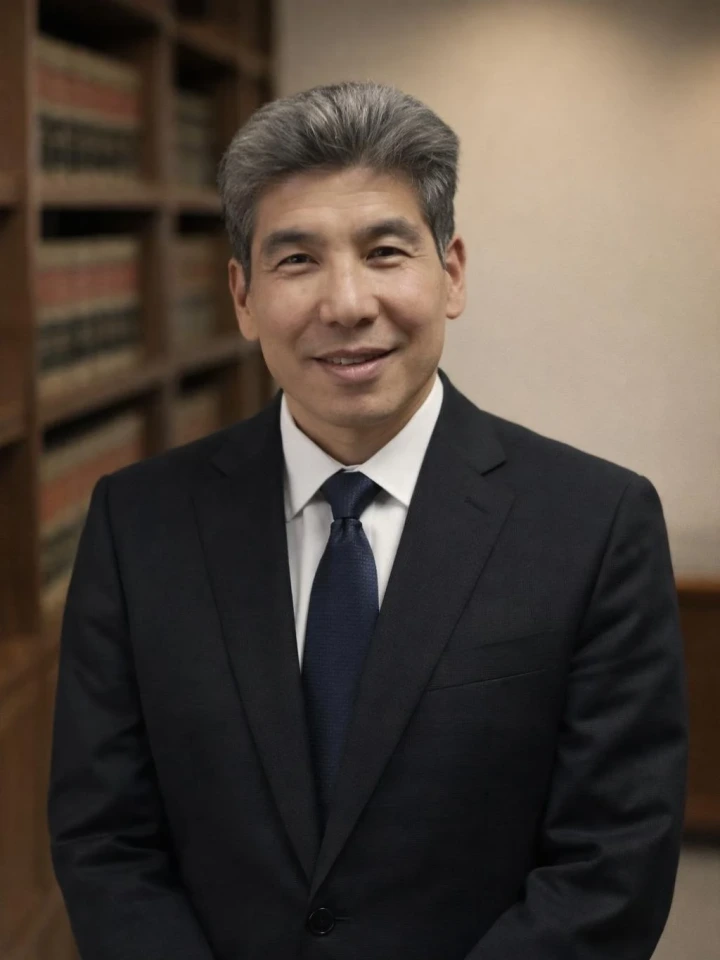
Court defence lawyer

Family lawyer
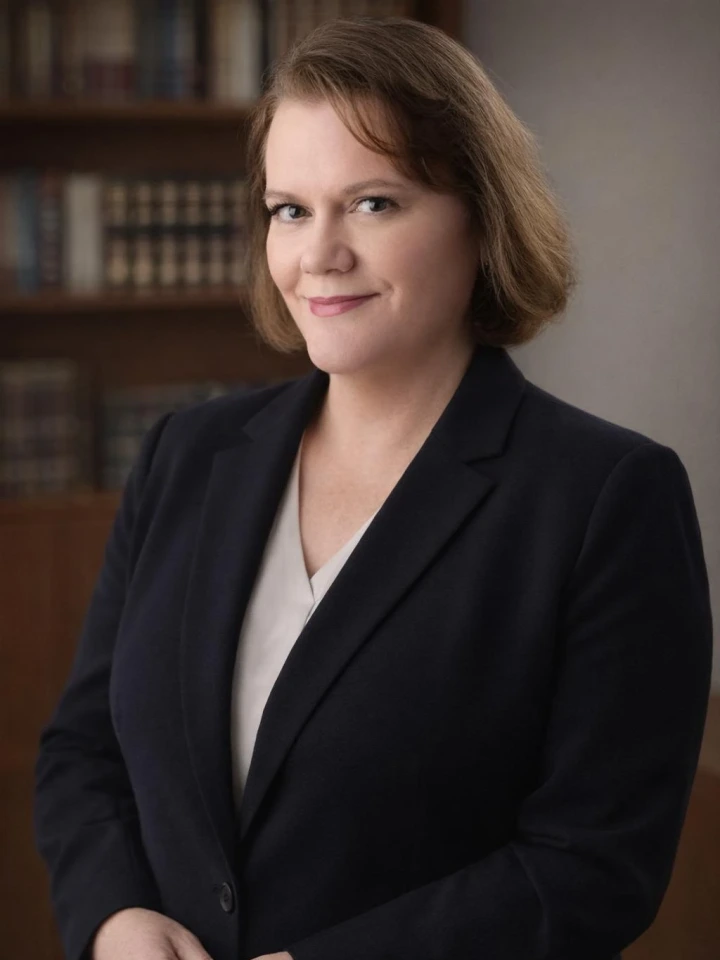
Civil and family law lawyer

Business support lawyer
Legal consultant

Corporate and employment disputes lawyer
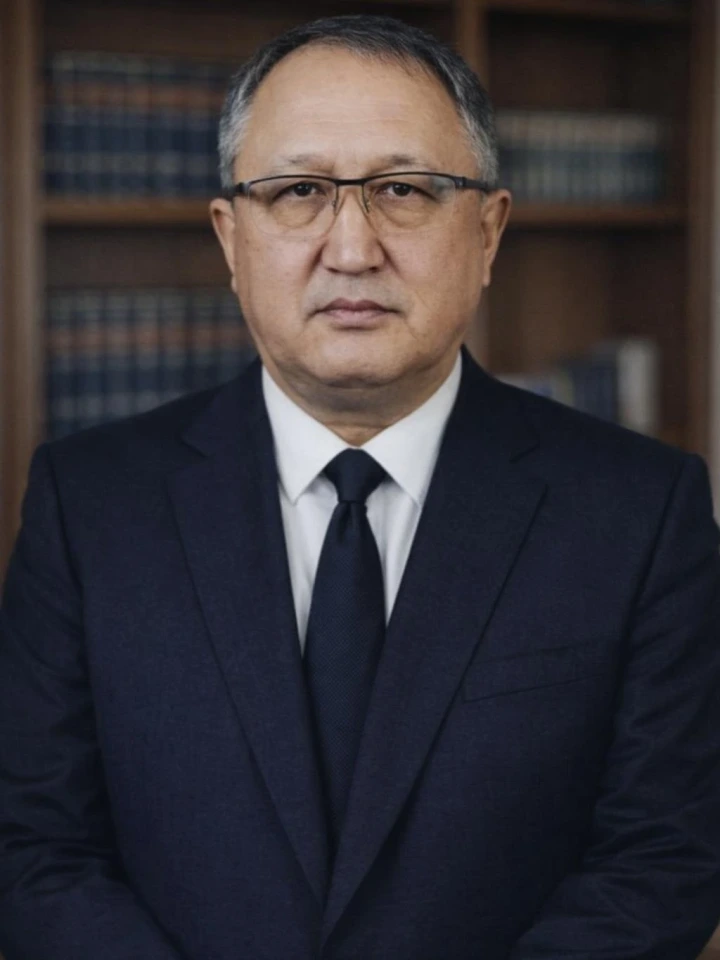
Tax disputes legal counsel
Practice
Details have been changed and anonymised: the content of the case is protected by professional privilege.
Useful information
An owner or director comes in with the same picture: debts have grown, some obligations are overdue, counterparties and creditors are demanding settlement, and the business no longer generates its former revenue. The first question usually sounds like this: close the company, try to pull it through, or file for bankruptcy. The difference between these paths is not just in the name — it lies in the timelines, in the fate of the property, and in whether past transactions will surface.
A creditor of a company that has already entered the procedure is looking for something else: how to file claims so as not to be left out of the settlements, and whether it is possible to return to the estate what the debtor managed to transfer to third parties. Below we look at three paths for winding up or rescuing a business, the criteria for choosing between them, the mechanics of challenging transactions, and the personal risks of the director, including subsidiary liability for unpaid debts.
Bankruptcy and liquidation of a company are not synonyms, although at a everyday level they are confused. Liquidation is the termination of a legal entity's activities with full settlement of obligations to creditors, employees and the budget. Bankruptcy is initiated in cases of insolvency, when the LLP cannot settle its debts within the established period. Rehabilitation occupies an intermediate position: it is needed not to close the business, but to restore solvency.
The difference is easiest to see from the state of the debts. In voluntary liquidation, the property and funds are sufficient to close all obligations, so the process proceeds by decision of the participants and without court pressure. Bankruptcy implies that there is not enough money for full settlement, and then the procedure goes through the Specialized Interdistrict Economic Court with the participation of a bankruptcy manager. The choice between the three paths is determined by this: whether the assets are sufficient for settlement and whether there is any point in preserving a going concern.
Voluntary liquidation of an LLP is the closure of a company by decision of its owner, without a court declaring it bankrupt. This path is possible while the property and money are sufficient for a full settlement with creditors, and the remainder is distributed among the participants. Otherwise bankruptcy and liquidation are not equivalent: closure bypasses the interests of creditors.
The procedure begins with a decision of the general meeting of participants, the information is entered in the Legal Cadastre, and creditors are notified. Before settlements are completed, the liquidation commission identifies all creditors, collects receivables and sells the property. Registration actions and removal from the register follow only after the confirmed claims have been discharged.
Liquidation with debts is permissible if the debt is covered by assets. Where property is insufficient, the law requires bankruptcy: there claims are satisfied in order of priority, and transactions are checked for asset stripping. Closure with unpaid debts through voluntary liquidation creates a risk of challenge and of personal liability for the director and participants.
Indicators under which ordinary closure remains lawful:
Creditors are notified in the established manner, not merely formally.
Assets are sufficient to cover all confirmed debt, including taxes and mandatory payments.
A rehabilitation procedure in Kazakhstan is a court-supervised attempt to restore the debtor's solvency rather than to sell off its property. Cases are heard by a Specialized Interdistrict Economic Court, and the course of the procedure is supervised by a rehabilitation manager. Unlike voluntary liquidation, where the decision is taken by the owner, rehabilitation proceeds under the supervision of the court and the creditors. The aim is to preserve a going concern and gradually settle the debts.
Rehabilitation of a legal entity suits companies with production or trading potential whose temporary difficulties are caused by external factors: falling demand, terminated contracts, sanctions against counterparties. If the business has stopped, the assets have been sold off or there is no source of income, rehabilitation will not produce a result and gives way to bankruptcy. Restoring solvency is possible where the model is viable and creditors are interested in a deferral.
In winding up a business there are 3 paths: liquidation, rehabilitation, bankruptcy. Liquidation is the voluntary cessation of activity with settlement of obligations. Bankruptcy is the declaration of insolvency and the sale of property to discharge claims. Rehabilitation does not end the business but gives time to emerge from the crisis.
The decision to launch insolvency proceedings is not always driven by the director's wishes. The Law on Bankruptcy obliges proceedings to be initiated when a company shows signs of insolvency: it has stopped settling its obligations, and the amount of debt exceeds the value of its liquid assets. Delay works against the debtor and its management.
The first criterion is the persistent nature of the problems. One-off cash gaps covered by receipts from debtors do not give grounds to conclude insolvency. A warning signal is the systemic non-performance of obligations, the accumulation of creditors' claims, where current revenue does not cover mandatory payments and wages.
A separate trigger is the threat of enforced recovery. Having received an enforcement document, a court enforcement officer may freeze accounts, seize property and restrict the disposal of assets. When there are several such proceedings and they affect production assets, the company loses manageability, and creditors gain advantages in order of priority. The duty to file for bankruptcy becomes a requirement of law.
The purpose of voluntary liquidation is to terminate the company's activity by decision of the owners in the absence of signs of insolvency. The process is conducted by the participants and the liquidation commission, with control exercised through registration actions via the Legal Cadastre and the Public Service Centre. Property is sold in the interests of the participants, obligations to creditors are settled, the remainder is distributed, and the outcome is removal from the register. Liquidation is not designed to protect against debts: it assumes that there are sufficient funds.
Rehabilitation is applied in cases of temporary difficulties where a viable business model is preserved. The procedure is conducted by a rehabilitation manager under the supervision of the Specialized Interdistrict Economic Court, and creditors agree the plan. Assets are not sold off: the manager preserves operations, may suspend obligations and restructure the debt. Completion means restoration of solvency or termination of the procedure.
| Parameter | Liquidation | Rehabilitation | Bankruptcy |
|---|---|---|---|
| Purpose | To terminate activity by decision of the owners | To restore solvency | To settle with creditors where restoration is impossible |
| Who manages | Liquidation commission | Rehabilitation manager | Bankruptcy manager |
| Assets | Realised in the interests of the participants | Kept in operation | Form the bankruptcy estate |
| Contracts | Performed and closed | Operate under the rehabilitation plan, some obligations are suspended | Some are terminated by the manager |
| Control | Registration actions | Specialized Interdistrict Economic Court and creditors | Specialized Interdistrict Economic Court and creditors |
| Outcome | Removal from the register | Return to normal operation | Debt discharge or liquidation |
All procedures are handled within a single practice: across 70+ procedures conducted on the side of debtors and creditors, it is clear that the choice is determined by the state of the business and the position of the creditors, not only by the amount of debt.
Debt in itself is neither a sentence nor grounds for bankruptcy. First an honest calculation of assets and liabilities, then a decision on the procedure: it is almost impossible to change the path once started.
In voluntary liquidation, the property remains at the disposal of the company and its participants: assets are consistently sold or distributed among the participants after settlements with creditors, receivables are collected by the liquidation commission itself, and past transactions are not reviewed by anyone. Liquidation proceeds by decision of the participants, without a court or a manager, and is therefore predictable. Debts in themselves do not mean bankruptcy: if the property is sufficient to settle with creditors, the company is closed through voluntary liquidation — faster, cheaper and without review of past transactions.
In bankruptcy, the property is controlled by the bankruptcy manager: they form the bankruptcy estate, conduct the realisation of property through auctions, distribute the proceeds among creditors in order of priority, and return the remainder to the participants last. The manager analyses the debtor's financial condition and reporting for the preceding period, which affects previously concluded transactions.
The procedure on the debtor's side is conducted not by the owner or the director, but by a bankruptcy or rehabilitation manager appointed by the authorised body in the field of rehabilitation and bankruptcy. He acts independently of the former management and is accountable to the court and the creditors. From the moment of approval, the powers of the executive body to dispose of property are substantially restricted: the owner retains corporate rights but loses operational control over assets and transactions.
The powers differ by purpose. In rehabilitation, the manager controls the implementation of the plan, approves transactions, keeps records of creditors' claims and ensures that the business continues to operate and restores solvency. In bankruptcy, he takes over the property, conducts an inventory, forms the property estate and settles with creditors in the established order of priority. What is common: the manager disposes of the fate of the assets instead of the owner, and reporting and major decisions go through the creditors' meeting and the court.
On liquidation and bankruptcy, creditors' claims enter the register, but the grounds and consequences differ. On voluntary liquidation, the commission itself identifies creditors and settles the debts; if the property is insufficient, the liquidation is not completed and the debtor goes into bankruptcy by a court decision. On rehabilitation and bankruptcy, the creditor files claims in the case, and the order of priority and the extent of satisfaction depend on the moment of filing.
In bankruptcy, the claim is filed with the court hearing the case, with documents confirming the basis and amount of the debt: the contract, acts, delivery notes, payment documents, correspondence about the claim, and a court decision that has entered into force. Claims are included in the register after verification by the court; the creditor has the right to participate in meetings and to object to the claims of other creditors.
On liquidation, claims are filed with the liquidation commission within the period stated in the publication on liquidation; missing the period does not deprive the creditor of the right, but such claims are satisfied out of the property remaining after settlements with creditors from the register. The filing periods are key to the order of priority and to receiving money.
The order of satisfaction of creditors' claims is determined by law and does not depend on who manages the process. On voluntary liquidation, the founders themselves determine the order of settlements, but must observe the priorities established by law. In bankruptcy proceedings, settlements are conducted by the bankruptcy manager under the control of creditors and the court. The difference is fundamental: liquidation is built on the good faith of the management, bankruptcy on external control.
On liquidation, obligations to employees are covered first, then claims for taxes and other mandatory payments, and the remainder goes to other creditors. If the property is insufficient, the liquidation stops and bankruptcy is initiated. Attempts to close a company with unpaid debts through liquidation lead to transactions being challenged and to the liability of the director.
In bankruptcy and voluntary liquidation of a legal entity, the director and the owner are not automatically protected by the company's status. Subsidiary liability of the director arises where the company's debts were caused by his unfair or unreasonable actions and the debtor's property is insufficient to settle with creditors. The grounds and procedure are established by the Law of the Republic of Kazakhstan on Rehabilitation and Bankruptcy and the Civil Code of the Republic of Kazakhstan; the dispute is heard by a Specialized Interdistrict Economic Court.
A separate ground is the failure to file a bankruptcy petition in the event of objective insolvency. If the director knew that the obligations could not be performed and did not initiate the procedure, he may be held liable for the debts incurred after the petition should have been filed. The court assesses the point at which the signs of insolvency became obvious and the director's conduct thereafter.
Before choosing between voluntary liquidation, rehabilitation and bankruptcy, a company carries out an inventory: what forms the debt burden, whether there are disputes, what condition the assets are in and whether the business is capable of generating revenue. For choosing a procedure, what matters is not only the amount of debt but also its structure: claims of the tax authority, banks, counterparties and employees for wages are settled in different order of priority, and their combination determines whether rehabilitation is possible or liquidation is indicated. The criteria also depend on whether transactions are being challenged and whether there are enforcement proceedings with court enforcement officers.
The condition of assets is checked not by their carrying amount in the accounts but by the real possibility of selling them: encumbrances, arrests, pledges, the actual location of the property, as well as receivables that can be recovered. The prospects for revenue are assessed separately: whether contracts are still in place, whether valid licences and permits exist, and whether the company is capable of restoring solvency once pressure from creditors is removed. If the business is loss-making and the assets are insufficient, rehabilitation will have no effect, and liquidation or bankruptcy is more rational.
| Criterion | Voluntary liquidation | Rehabilitation | Bankruptcy |
|---|---|---|---|
| Debt structure | The debt is repayable, there are no disputes with creditors | There is debt, but repayment is possible under a schedule | The debt exceeds the assets, repayment is impossible |
| Disputes and enforcement | None, or of a technical nature | There are disputes, but there is a chance of reaching agreement | There are disputes and enforcement proceedings |
| Assets | Sufficient to settle with creditors | Sufficient to continue operations | Insufficient or assets are illiquid |
| Revenue prospects | Not required, operations are ceasing | There are contracts and demand for the product | Absent or unstable |
| Position of creditors | Agree to liquidation | Ready to make concessions and accept instalments | Not ready to make concessions |
For a bona fide buyer of property from a future bankrupt, the transaction is defensible if there is a valuer's report as at the transaction date, evidence of market offers, confirmation of actual payment and no connection between the parties.
The main misconception is that a company with debts can simply be closed without any procedures. Ceasing operations without settling with creditors does not extinguish obligations: the claims remain, and creditors are entitled to challenge such actions. This leads to mistakes in liquidation, where an entry in the register is treated as the final point.
The second group is concealment or removal of property before the procedure. Transferring assets to related parties, understating the value on sale, and sham transactions do not protect against claims but become grounds for action against management. Courts assess such transactions on the actual circumstances, not on the paperwork.
The third is ignoring creditors' claims and staying silent instead of engaging in dialogue. Failing to respond to claims and evading disclosure strengthens the creditors' position and widens the range of grounds for challenge. This is where the consequences of improper liquidation come to light, when a formally closed company is brought back into the arena of disputes.
Reviews
We have a manufacturing business, and when the debt reached 340 million, I was already mentally preparing to go bankrupt — I saw no other way out. I came in for advice, and they assessed the prospects: it turned out that with a three-year instalment plan we could manage on our own. We went into rehabilitation, paid off a third of the debt within a year, people are still working, the plant didn't shut down.
Service: Bankruptcy and Liquidation in Almaty
As a former director, I was hit with 180 million in subsidiary liability, and it was very unexpected because I hadn't run the company for a long time. I was looking for a lawyer who specialises in exactly these kinds of disputes, because my first conversation with other specialists went nowhere — they just told me my chances were slim. Here, Noyan sat down with me and we went through every single ground, and for the first time I saw the whole picture. We analysed each ground, pulled up the documents, looked at exactly when the insolvency had arisen. We proved that it arose later than the period they were trying to hold me liable for. It was painstaking work — I brought in papers, we had calls, we clarified things several times over. But in the end they were refused in full. I'm very grateful that it ended this way.
Service: Bankruptcy and Liquidation in Almaty
Our accountant insisted that with debts like these it was bankruptcy and nothing else, and I had almost come to terms with it. I came for a consultation because I wanted to understand whether it was realistic to close the firm without all that public procedure. Anna looked at the documents and said there were enough assets and we could get by with an ordinary liquidation. At first I didn't believe it, to be honest, I asked again several times. But she calmly explained everything, showed me the calculations, and we went down that path. In the end we closed in six months instead of two years. That was a huge difference for me, because all that time I couldn't properly focus on new projects
Service: Bankruptcy and Liquidation in Almaty
The trustee in someone else's procedure was challenging our purchase of equipment from a bankrupt, and it was a complete surprise for us. We'd bought the machinery long before all those events, everything was clean, but we had to prove it. We put together a valuation as at the transaction date, pulled up all the proof of payment, every payment slip. I personally drove around and brought in documents, and together with the lawyer we prepared the position. It was nerve-racking, because it was expensive equipment that was already standing in our workshop. But the transaction held up, we fought off the challenge. I can say the approach was serious and unhurried. Glad we came here.
Service: Bankruptcy and Liquidation in Almaty
Thank you for the review. We're glad we managed to defend the transaction — in such disputes, thorough preparation of documents really is what decides it. Get in touch if you need help again.
Before filing the application, I was afraid that afterwards they'd start picking apart every transaction from recent years and come after the director with claims, so I looked for lawyers who know how to prepare everything in advance. They audited the transactions before filing. In the procedure, not a single one was challenged, and there were no claims against the director. It cost a fraction of what defending ourselves afterwards would have.
Service: Bankruptcy and Liquidation in Almaty
We found out about the debtor's bankruptcy a week before the register deadline closed, and to be honest I was in a panic. We had to submit additional documents, and we waited for a response a bit longer than we'd have liked, but we made it in time, and we even got his transactions challenged. We received 17 million
Service: Bankruptcy and Liquidation in Almaty
When the client terminated the contract, I realised the rehabilitation plan wasn't going to work, and I ran around looking for someone to help us stay afloat. They helped us move into bankruptcy in time and without any claims against the management. It turned out that timing is the main thing here
Service: Bankruptcy and Liquidation in Almaty
We filed for bankruptcy ourselves even though we had enough assets. We lost six months. They helped us terminate the procedure and close properly.
Service: Bankruptcy and Liquidation in Almaty
Right in the first conversation they told me about the director's personal risks — it was Natalya, she laid out all the points straight away. Before that, nobody had mentioned it at all. After that conversation I somehow looked at the whole situation differently
Service: Bankruptcy and Liquidation in Almaty
Being a director, I neglected accounting, and when we started preparing the company for the procedure, I realized there's no way without getting things in order. I looked for a lawyer to sort out the documents and see where my holes are. They laid everything out for me and helped gather the papers. Turned out that failure to submit reports is a separate ground for liability. Thanks, now I look at the situation more calmly.
Service: Bankruptcy and Liquidation in Almaty
They count the assets before proposing anything. That seemed like the right approach to me.
Service: Bankruptcy and Liquidation in Almaty
Our situation was difficult, I went to several places for advice, but not everyone told me the truth. Dulat told me straight that rehabilitation wouldn't work for us, that the business was systematically sinking into losses. He didn't sell me hope, he said everything openly. I'm glad about that, because we didn't waste extra time and money.
Service: Bankruptcy and Liquidation in Almaty
Thank you for your review. In such situations, giving an honest assessment is our job. If you need help later, get in touch.
We held negotiations with the main creditors before filing. There were no surprises at the meeting.
Service: Bankruptcy and Liquidation in Almaty
The same person who handled the whole procedure, Murat, dealt with the separate disputes. We didn't have to brief anyone new, he kept everything in his head. That saves a lot of time and nerves
Service: Bankruptcy and Liquidation in Almaty
Thank you for the review. We try to run a case from start to finish with one specialist — it really is easier both for you and for the result.
When the debt problems started, I didn't know what to grab hold of and was just looking for a calm conversation at the very least. Everything was professional and calm. In that kind of situation that's valuable in itself.
Service: Bankruptcy and Liquidation in Almaty
I came in with a pile of debts and completely lost, I didn't understand where to even start. Zhanibek did the assessment, and it was free and detailed, not a five-minute thing. After it everything in my head fell into place.
Service: Bankruptcy and Liquidation in Almaty
Thank you for taking the time to write. We're glad the review of your situation helped you see the whole picture.
They explained that they check transactions going back several years. We hadn't even thought about that.
Service: Bankruptcy and Liquidation in Almaty
It was long, the procedure took more than a year. I went into it with debts and already understood it wouldn't be easy. But they warned me right away that it's never quick
Service: Bankruptcy and Liquidation in Almaty
We participated as a creditor in someone else's procedure, and it was important for us to understand what was happening. At first it was unclear, we had to submit papers that we thought were unnecessary. But then everything got sorted out, they kept us informed about every meeting. Sometimes we had to wait for an answer, but overall the work is normal. Thanks for the support.
Service: Bankruptcy and Liquidation in Almaty
When they started putting pressure on the director over the company's debts, what I feared most was for our flat and that the children would be left with nothing. My husband didn't sleep at night, we were looking for lawyers who understand exactly this area. They helped preserve the director's personal property. They also explained separately what can be protected and what can't, without empty promises. I went to the meetings together with my husband, asked a lot of questions, and no one got irritated. It went on for several months, we waited, we worried. For the family that was the main thing
Service: Bankruptcy and Liquidation in Almaty
Thank you for your trust. In cases like this it's important to separate the personal from the business — we're glad we could help your family.
Мен бұл жерге келгенде жағдайым өте ауыр еді, бірнеше адамның алдында қарызым бар болатын. Келген себебім, осы салада шынымен түсінетін адамдар керек болды. Олар дараулық дауларда жақсы түсінеді, бұл бірден байқалады. Маған түсінікті етіп айтып берді, артық уәде берген жоқ. Соңына дейін өз ісін білетін адамдар.
Service: Bankruptcy and Liquidation in Almaty
Thank you for your feedback. Bankruptcy cases are one of our core areas, so we look into every case carefully.
I came in when the creditors had already filed the application, before that I thought I'd manage to sort everything out myself. Murat honestly said that earlier there would have been more options, but they did what they could. It was unpleasant to hear, but at least it was honest
Service: Bankruptcy and Liquidation in Almaty
Thank you for writing. With those timelines it really is important to come in earlier — we're glad that we were still able to do at least something for you in this situation.
Blog

When a business is worth saving and what a workable plan consists of.
Read the guide
What a director is held liable for and which documents rebut it.
Read the guide
What a creditor loses by missing the deadline for filing claims.
Read the guide
What does not disappear after deregistration, and who is held accountable afterwards.
Read the guide
How the procedure differs for individuals and what its consequences are.
Read the guide
How to challenge the valuation and auction results when property is being realised.
Read the guideFAQ
Didn't find your question? Ask it directly — we'll reply on WhatsApp.
Ask a questionNo. If the assets are sufficient to settle with creditors, the company is closed through voluntary liquidation — it is faster, cheaper and without a review of past transactions. We had a case where a company filed for bankruptcy itself while holding assets one and a half times its debts, and lost six months.
By its purpose. Rehabilitation aims to restore solvency: the business continues to operate under an approved plan. Bankruptcy ends the company's story. Rehabilitation makes sense when there are contracts, revenue and operating production, and the problem was caused by a specific event rather than systemic unprofitability.
Subsidiary liability for the company's unpaid debts. The grounds repeat: late filing of the application, transactions that worsened the position of creditors, withdrawal of assets, failure to hand over documentation, misstatement of accounts. Each one is rebuttable, but with documents, not explanations.
For the period preceding the filing of the application, and that is several years. Not only obvious asset withdrawals are reviewed: sales below market price, settlements with individual creditors bypassing the order of priority, set-offs with related companies and gratuitous transfers all come under scrutiny.
Honestly count the assets and liabilities, audit the transactions for the review period, gather supporting documents for the risky ones, assess the grounds for personal liability and put the accounting in order. This work takes weeks and costs several times less than the defence that follows.
The transaction may be challenged, but it is defensible. You need evidence that the terms were market terms: a valuer's report as at the date of the transaction, information on market offers, confirmation of actual payment and the absence of any connection between the parties. We handle such disputes and win them.
The procedure moves into bankruptcy. It is important to acknowledge the plan's unfeasibility in time and document the external causes — termination of a contract, loss of a customer. Delay in itself becomes grounds for claims against management, while timeliness, on the contrary, protects.
Voluntary liquidation — several months. Bankruptcy and rehabilitation — from a year and longer, depending on the volume of assets, the number of creditors and the number of separate disputes. We will say more precisely after reviewing the specific situation.
File your claims in the register within the established deadline — a creditor who is late almost always ends up with no payment. In parallel, it is worth checking the debtor's transactions for the preceding period: challenging them often returns to the estate the property from which the payments are made.
Changing a procedure once it has started is difficult, so the case is analysed before the application is filed. In our practice, terminating an erroneously started bankruptcy took time and required proving that the assets were sufficient — this could have been avoided.
Nothing. We analyse the state of the assets and liabilities and tell you which procedure fits and what the director risks personally. If the company can be closed through ordinary liquidation or saved through rehabilitation, we will say so rather than push it into bankruptcy.
Contacts and maps
2GIS opens in a separate tab — the service does not allow embedding an organisation's listing.
Open in 2GISZoon opens in a separate tab: it has client reviews and ratings.
Open on ZoonThe first consultation is free. If the matter can be resolved without court, we will say so directly.