Assistance upon detention
We come to the detained person, secure a confidential meeting, take part in the first interrogation and monitor compliance with procedural time limits.

We take part from the moment of actual detention or summons to interrogation
We seek a milder preventive measure instead of custody
We check the lawfulness of every investigative action and item of evidence
We defend in court, on appeal and in cassation
We represent victims and seek compensation for harm

If you have been summoned for interrogation or a person close to you has been detained, write to me stating your status and the circumstances — I will tell you what to do before a defence lawyer arrives.
Message us on WhatsAppWe come to the detained person, secure a confidential meeting, take part in the first interrogation and monitor compliance with procedural time limits.
We accompany a witness and a witness entitled to defence to interrogation — so that their testimony does not become grounds for suspicion.
Motions, participation in investigative actions, work with expert examinations, complaints to the prosecutor and the investigating judge.
We seek house arrest, bail or a written undertaking instead of detention and appeal the arrest order.
Case position, examination of evidence, questioning of witnesses and experts, pleadings, appeal against the sentence.
Theft, robbery, embezzlement: review of evidence, assessment of damage, reconciliation with the victim, reclassification of charges.
Reviewing the lawfulness of search and seizure, expert examination of substances and legal classification — possession or distribution.
Participation in interviews together with a legal representative, psychologist or teacher, measures not involving isolation.
The first conversation is free. We will tell you what your status is, what rights you have right now and what must not be signed before the defence lawyer arrives. Everything you tell us remains lawyer-client privilege.
Cost
Guidelines by stage of the criminal case. Payment is divided by stages: if the case is terminated at the investigation stage, the court stage does not need to be paid for. We quote the exact price after reviewing the situation.
| Service | What is included | Cost |
|---|---|---|
| Consultation with a criminal defence lawyer | Status, rights, first steps | free of charge |
| Urgent attendance upon detention | A private meeting and participation in the first procedural actions | from 60,000 ₸ |
| Participation in the questioning of a witness | Preparation for and attendance at the questioning | from 50,000 ₸ |
| Appeal against the preventive measure | Motion, complaint, participation in the hearing | from 100,000 ₸ |
| Defence at the pre-trial investigation | Motions, complaints, investigative actions | from 300,000 ₸ |
| Defence in a criminal case in court | Position, evidence, all hearings | from 400,000 ₸ |
| Representation of the victim | Application, civil claim, participation in the case | from 200,000 ₸ |
| Appeal in a criminal case | Appeal and participation in the hearing | from 150,000 ₸ |
| Compensation for harm after acquittal | Claim for rehabilitation and recovery of harm | from 150,000 ₸ |
Prices are not a public offer. Travel outside Almaty, expert reports and interpreters are paid separately. Payment does not depend on the verdict — a lawyer may not promise the outcome of a case.
We find out where the person is, what their status is and what the matter concerns. If there has been a detention, we set off immediately.
Before interrogation, we discuss the situation and position with the client. Such a meeting is their legal right.
We attend the interrogation, search or seizure, and record any violations in the minutes.
We prepare documents about the person, their work and family so that the court chooses a measure without isolation.
We set out the stages of the defence and the price of each — you pay for the next stage only once it has been reached.
We study the evidence, file motions, and appeal against unlawful actions.
We defend you at hearings, examine the evidence, and make submissions in the pleadings.
Appeal and cassation, and where there is an acquittal — a claim for compensation of harm.
Write to us where he is and what is known about the reason — we will tell you who is going and when.
Team
Defence in a criminal case, a court dispute and the documents for it — all within one team: the case is not passed between firms, it is handled by an advocate of the relevant profile.

Advocate for criminal cases
Defence from the moment of detention: participation in interrogations, appealing the preventive measure, work with expert examinations and the procedural agreement.

Advocate for family cases
Dissolution of marriage, determination of the child's place of residence and contact arrangements, alimony, division of the spouses' common property.
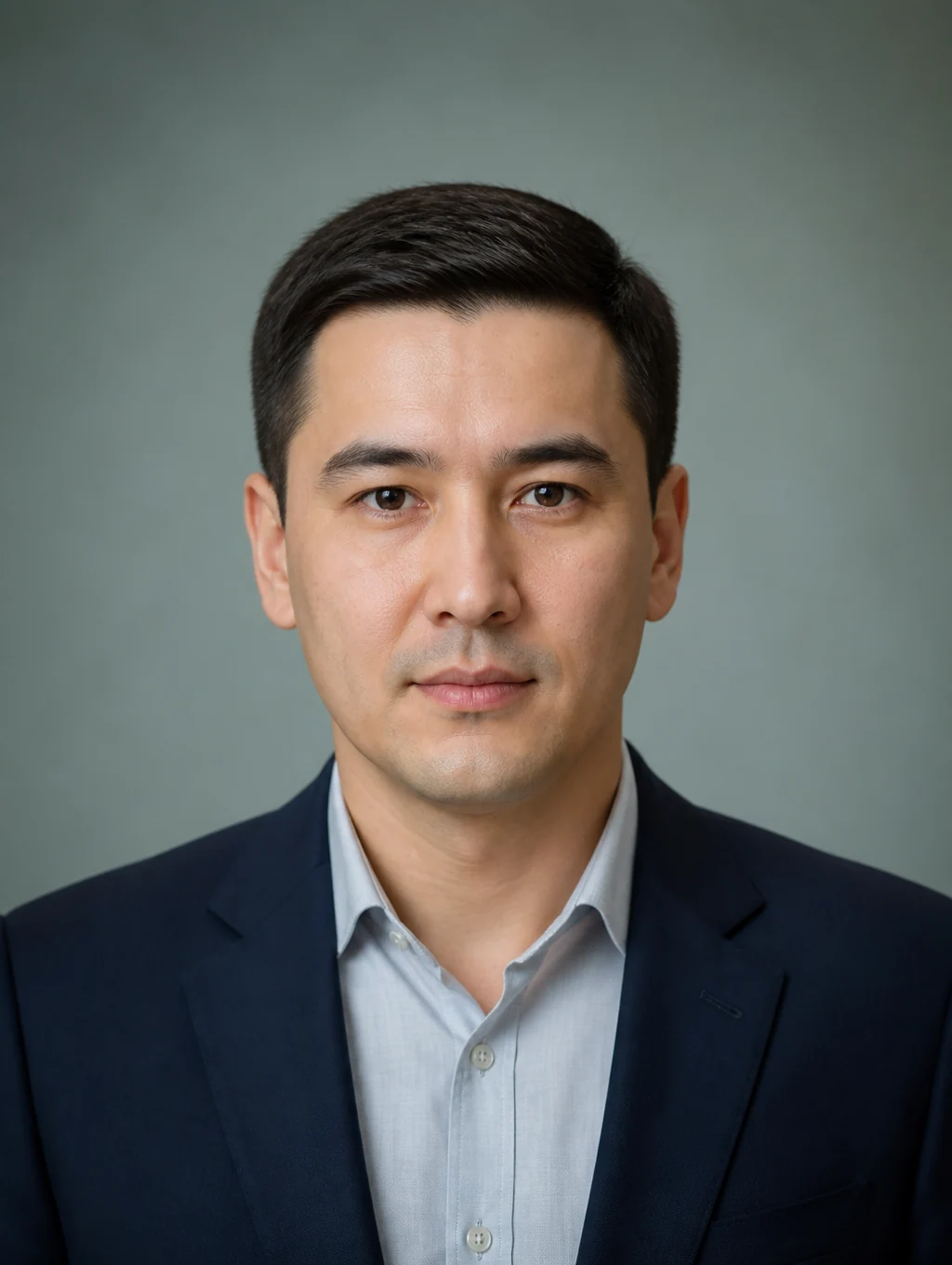
Advocate for civil cases
Representation in court in contractual, housing, land and inheritance disputes, appeal and cassation.

Advocate for economic and administrative cases
Defence of businesses and executives: tax and customs cases, searches and seizures, disputes with state bodies under the Administrative Procedural Code.

Lawyer for civil cases
Prepares statements of claim, pre-action claims and calculations for the court case, gathers evidence and handles correspondence with government bodies.

Lawyer for family and social matters
Maintenance and property division agreements, consents for a child to travel abroad, documents for guardianship authorities and for court.
Practice
Details have been changed and anonymised: the content of the case is protected by professional privilege.
Useful information
Most often people come in two situations: a person has received a summons for questioning and does not understand whether to go alone, or a relative was detained at night and they need to understand what is happening and what rights the detainee has before a defence lawyer arrives. In both cases time works against you: the first testimony and the first procedural decision largely set the course of the entire case. Relatives of the victim face the same uncertainty — how to secure their status, which motions to file and what to expect in terms of compensation for harm.
The article shows how a criminal defence lawyer differs from a criminal law lawyer, from what moment a defence lawyer is admitted to the case and what time limits apply upon detention. It separately covers the rights of a witness, the procedure for choosing a measure of restraint, the procedural agreement and reconciliation of the parties, and the specifics of cases involving minors and property offences. It also examines when the participation of a defence lawyer is mandatory by law and how to choose a specialist for a specific situation.
A defence lawyer in a criminal case is an advocate — a person with a higher legal education who has passed a qualification exam, obtained a licence and is a member of a bar association; alongside them, the spouse and close relatives of the client may be admitted to participate. The advocate's authority is confirmed by an order (warrant). This status gives access to participate in investigative actions and in court as a defence lawyer, as well as the right to meet with the client in custody. "Criminal defence lawyer" and "criminal lawyer" are the same person with procedural powers.
A criminal law lawyer works with the legal side of the situation but does not act as a defence lawyer in the proceedings. Such a criminal law lawyer prepares a legal analysis of the charge, studies the case materials, assesses the prospects for appeal, helps build a position and gather documents. A criminal defence lawyer additionally represents the client's interests before the investigating authority and in court, files motions and recusals, and participates in interrogations and pleadings.
A defence lawyer enters the case from the moment of actual detention or when the person is summoned for questioning or another procedural action as a suspect. Before that, the person often remains a witness, but a witness also has the right to give testimony in the presence of their lawyer, so help should not be delayed: a significant part of the evidence is formed in the first hours, long before the decision recognising the person as a suspect. That is why a lawyer should be brought in while the person's status is still undetermined.
Being called "for a talk" at a pre-trial investigation body or to an investigator is already a reason to come with a defence lawyer. A conversation without a protocol does not remove the risk: what is said may be recorded in a report or explanation and used. The lawyer is present during the conversation, monitors the lawfulness of the questions and prevents discussion of circumstances beyond the subject of the summons.
Particular attention is required for a seizure — the removal of documents, devices or items at a place of residence or work. The presence of a defence lawyer makes it possible to record violations, demand an inventory of what is seized and file remarks in the protocol, preserving the evidentiary base for the defence.
The procedural position of a participant in a criminal case is determined by the tasks of the body conducting the proceedings. A witness is a person who may know circumstances relevant to the case; they are summoned to testify, must appear and tell the truth. A suspect is the person against whom prosecution has been started; the law gives them the right to know what they are suspected of, to remain silent, to use a defence lawyer, to file motions and recusals, to present evidence and to appeal against the actions of the body. An accused is a person in respect of whom an indictment has been drawn up and approved by the prosecutor; the scope of rights is the same, but the right to review the materials, participate in the examination of evidence and speak in pleadings is added.
A defence lawyer is admitted from the moment of actual detention, recognition of the person as a suspect or issuance of a decision qualifying their act. A witness who has the right to defence also enjoys the assistance of a defence lawyer — when testimony may be used against themselves or their close relatives. Early participation of a defence lawyer allows the position to be built correctly: where explanations are sufficient, where it is necessary to remain silent until the materials are studied, and where a motion must be filed.
| Status | When it arises | Key rights |
|---|---|---|
| Witness | When summoned to give testimony | Not to testify against oneself and close relatives, to give testimony in the presence of one's lawyer |
| Suspect | From the moment of detention or recognition as a suspect | To know the substance of the suspicion, to remain silent, to have defence counsel, to file motions |
| Accused | After the prosecutor approves the indictment | To review the case materials, take part in the pleadings, appeal against the actions of the authority |
| Victim | When harm is caused by a criminal offence | To give testimony, present evidence, maintain the accusation, file a claim |
The scope of rights depends on procedural status and may change as the case progresses.
Upon detention on suspicion of a criminal offence, the person is immediately informed of their rights: to know what they are suspected of, to remain silent and not testify against themselves and close relatives, to defence counsel, to one telephone call and notification of close relatives, and to appeal against the actions of the police. These rights apply from the moment of actual detention, and not only after being brought to the authority.
Before a court decision, detention without a court sanction lasts no more than 48 hours, and for a minor — no more than 24 hours; once the period expires, the person is released or the investigating judge considers the motion for remand in custody. The time of detention is recorded in the protocol, and a copy is handed to the detained person.
The key guarantee is a private meeting with defence counsel before the first interrogation. Refusal to give testimony is a lawful right, not an admission of guilt; it is not regarded as evidence of involvement and does not worsen the person's position.
A witness is not an accused person, but their interrogation affects constitutional rights. If you have been summoned in someone else's case, there is a risk that what you say will be turned against you. A lawyer is needed both when there is suspicion of involvement and to understand the procedure and the limits of permissible questions.
A witness entitled to defence is a person in respect of whom the authorities have suspicions, but whose status has not yet been changed. Grounds: questions about involvement, examinations, searches, seizure of items, summons to confrontations. The law allows the assistance of defence counsel; the presence of a lawyer during interrogation records the correctness of the actions and prevents you from ending up in the status of a suspect without legal support.
Everyone has the right not to testify against themselves and close relatives, and no one is obliged to prove their non-involvement. Refusing to answer certain questions is lawful behaviour. If pressure is applied through detention: without a court sanction, as a general rule it lasts no more than 48 hours, and for a minor no more than 24 hours.
Key boundaries that a witness should know:
A preventive measure is a coercive measure of a procedural nature applied to a suspect or accused person to ensure proper conduct. The Criminal Procedure Code of the Republic of Kazakhstan provides for: a written undertaking not to leave the place and to behave properly, personal surety, transfer under supervision, bail, house arrest and detention in custody. The choice depends on the gravity of the charge, the person, age, health and other circumstances.
Detention in custody and house arrest are authorised by an investigating judge: the criminal prosecution authority must apply to the court with a motion. The order of the investigating judge may be appealed.
The defence rebuts the grounds for arrest with documents: permanent place of residence, stable family and social ties, positive character references, medical documents, information about employment, absence of a criminal record and of any intention to abscond, and the presence of dependants. If the prosecution is connected with entrepreneurial activity, they present data on the lawfulness of the transactions and the absence of damage.
A person has the right to remain silent and to meet a defence lawyer in private before the first interrogation — this is not an admission of guilt or a refusal to cooperate, but a rule of law that should be used calmly.
A procedural agreement is an arrangement between the defence and the prosecution authority on an admission of guilt or on cooperation. The first is an admission of guilt and agreement with the classification and scope of the charge. The second is assistance to the investigation: testimony incriminating other participants, handing over items and documents, participation in uncovering the scheme of the offence. Both types are drawn up in writing and signed by the prosecutor, the suspect or accused person and their defence lawyer.
Such an agreement is not concluded without a defence lawyer: the law classifies these cases as a category where the participation of a defence lawyer is mandatory. This is a guarantee that the person understands the consequences of admitting guilt and does not sign a document under pressure. If a defence lawyer has not been engaged by the suspect, one is appointed by the authority conducting the criminal proceedings.
Reconciliation with the victim is an independent ground for terminating a case for a criminal offence and for a first-time offence of minor or medium gravity not involving the infliction of death. It is formalised by a written statement from the victim that the harm has been remedied and there are no claims. It is possible at the stage of pre-trial investigation and in court before the retirement to the deliberation room. For grave and especially grave offences, reconciliation as a rule does not terminate the case — the law makes an exception, in particular for minors — but it is taken into account as a mitigating circumstance.
In court, the defence is built around the examination of evidence. The defence lawyer submits that evidence obtained in violation of the criminal procedure law is inadmissible and seeks its exclusion from the evidence on which the prosecution relies. The court assesses each piece of evidence according to its inner conviction, guided by law and conscience, and materials obtained in violation of the rights of the participants in the proceedings cannot be used as the basis of a judgment.
The defence lawyer conducts the examination of witnesses and experts according to their own plan, identifying contradictions and checking the reliability of testimony. The expert is asked questions about the methodology of the examination, their competence and the source data, and where necessary a motion is filed for an additional or repeat expert examination. The participation of a defence lawyer is mandatory if the suspect requests it, in cases involving minors, persons with physical or mental disabilities, persons who do not speak the language of the proceedings, and in a procedural agreement.
In cases of theft and property offences, the defence is built around two key points: proof of the person's involvement and the classification by the amount of damage. The prosecution must prove every element of the offence rather than rely on assumptions. The defence checks how the confessional testimony was obtained, whether the rights of the detained person were observed, and whether there was any pressure. When interrogating a minor, the law requires the participation of a legal representative and, in the cases provided for, a teacher or psychologist; a violation weakens the evidentiary value of the record.
The assessment of the damage affects the classification: it determines whether the act is treated as an administratively punishable petty theft or as a criminal offence. The dispute over value is conducted through an expert examination, commercial documents, witness testimony and the accounting records of the victim. The inflation of the amount, the inclusion of associated expenses and of items that did not leave the owner's possession are challenged. The court assesses the damage at the time of the act, not at the date of the hearing.
Requests for a lawyer under Article 228 come from Russian practice: that is the article number of the Russian Criminal Code. In Kazakhstan, liability for drug trafficking is established by other articles of the Criminal Code of the Republic of Kazakhstan, so a lawyer for drug cases is sought by the elements of the offence, not by the number of a foreign provision. Mixing the two legal systems leads to confusion already at the stage of legal classification.
In practice, two things are disputed: whether possession or distribution is charged, and whether the evidence was obtained lawfully. Distribution presupposes the transfer of a substance to another person and is proved differently from possession for personal use; the distinction determines the severity of the charge and the scope of the defence. Separately, compliance with procedure during detention, inspection, seizure and packaging of the seized items is verified.
The key issue is the forensic examination of the substance. The defence examines how samples were taken, whether the chain of custody was observed, whether the mass and composition correspond to the conclusions of the report, and whether the suspect's rights were explained during the examination. Services of a lawyer for drug cases include work with the expert's report and the filing of motions for additional or repeat examinations.
In juvenile cases, the participation of a defence lawyer is mandatory if a minor is a suspect, an accused or a defendant. Waiver of a defence lawyer is not accepted because of the increased vulnerability of a minor. A lawyer enters the proceedings from the moment of the first interrogation or other investigative action and works together with the legal representative. Parents or guardians participate alongside the defence lawyer: they file motions, review the records, and appeal the actions of the body conducting the criminal proceedings.
The interrogation of a minor has procedural specifics. If the minor is under sixteen or lags behind in mental development, the participation of a teacher or psychologist is mandatory; in other cases, it is the defence lawyer's right to file a motion. These persons may ask questions and make comments, which are entered in the record. Evidence obtained in violation of the law is deemed inadmissible, so failure to comply with the interrogation procedure gives the defence grounds to raise the issue of excluding such information from the charge.
Mandatory participation of a defence lawyer does not depend on the wish of the suspect. If circumstances defined by law arise, the pre-trial investigation and the court must ensure the participation of a defence lawyer, even when the accused waives one. Such a waiver is not binding on the bodies conducting the proceedings, and the defence continues.
A defence lawyer is appointed when a person is unable to exercise the right to defence independently: minors, persons with mental or other severe illnesses, and those who do not speak the language of the proceedings. A separate ground is the conclusion of a procedural agreement or a conflict of interest between several accused, when one of them needs a separate defence lawyer.
If a defence lawyer has not been engaged by the accused and his or her close relatives, one is appointed at the expense of the budget through a professional organisation of advocates. An appointed defence lawyer has the same rights as an engaged one: to review the materials, file motions, present evidence, and appeal actions and decisions. Budget expenses are not shifted onto an acquitted person.
| Ground | Who ensures it | Waiver permitted |
|---|---|---|
| Minority | Body conducting the proceedings | No |
| Mental or serious illness | Body conducting the proceedings | No |
| Lack of knowledge of the language of the proceedings | Body conducting the proceedings | No |
| Procedural agreement | Body conducting the proceedings | No |
| Conflict of interests of the accused | Body conducting the proceedings | No |
If a defence lawyer has not been engaged, one is appointed at the expense of the budget through a professional organisation of advocates.
A consultation with a lawyer on a criminal case begins with a conversation about what happened: the event in respect of which a pre-trial investigation is already under way or an application has only just been filed, the status of the person seeking advice and of their close ones, and what actions the authorities have already taken. The client stays with the firm: the case is handled by a lawyer from its practice. The specialist examines what legal role the person plays in the procedure and which decisions of the authorities can be challenged.
It is worth bringing everything relevant to the case to the consultation: summonses and notifications, protocols, decisions, correspondence, identity and kinship documents, certificates of employment or health status. Information about witnesses and about who gave explanations and under what circumstances is also useful. On the basis of these materials a picture is built and the immediate steps are determined.
A consultation helps to understand what investigative actions are possible next, what rights a participant has at each stage and where a defence position is needed. After the conversation it is clear what to say and what not to say without a lawyer, how to respond to summonses and which documents to request. A criminal law consultation is built around a specific situation, not general advice.
Reviews and ratings show only part of the picture: they do not reveal how a specialist conducts a case during the investigation. Experience specifically in criminal proceedings shows in how interaction with the investigative body is built, how motions are filed and the participation of defence counsel is ensured. A defence lawyer should be judged by their work at the pre-trial stage, not only by the verdict.
A strong defence lawyer is honest with the client about risks: they do not promise a specific verdict — this is prohibited by law and ethics. They explain possible scenarios, the scope of the charge, the evidence base and the consequences of each position. This allows a balanced decision on whether to hire a lawyer and which defence line to choose.
Assess whether the specialist is ready to work with the case materials independently, and not merely to be present. Services include defence during the investigation: participation in interrogations, appealing unlawful actions, gathering defence evidence. In Almaty this depends on the defence lawyer's workload and readiness to delve into the circumstances of the case.
The choice should be made on several criteria at once, and none of them is decisive on its own.
Payment for a lawyer's services in criminal proceedings is structured by stages: pre-trial investigation, court of first instance, appeal and subsequent instances. Each stage requires a separate volume of work — studying materials, participating in investigative actions, preparing procedural documents and court pleadings. Therefore the price is determined not by a single tariff, but by the combination of stages that the defence lawyer actually goes through in the case.
The final cost is affected by the number of episodes and the classification of the act: the more facts charged, the more time is spent analysing the evidence and building a position on each. The volume of materials also matters — multi-volume cases require substantially more study. Expert examinations are counted separately: engaging a specialist, assessing reports and filing motions for additional examinations affect the labour costs.
Reviews
My son was accused of theft in the dormitory, I didn't sleep all night, I didn't know who to turn to. A specialist named Nurlan got straight to work, listened to me and told me not to be afraid of anything. He found the receipt and camera footage from the shop and proved that my son was in the shop at that time. The investigation was stopped, my son was cleared. I am endlessly grateful to Nurlan, now I sleep peacefully at night.
Service: Criminal defence lawyer in Almaty
Zhanar, thank you! We wish you and your son a peaceful life, get in touch if you have any questions.
The investigator asked for detention, I was looking for a lawyer who understood my work and my child's situation. He managed to gather the documents overnight, the court granted detention. Later it was changed to a written undertaking, things got easier.
Service: Criminal defence lawyer in Almaty
Serik, thank you for your support! We are glad your situation was resolved positively.
After an accident at a construction site my husband was called in as a witness, but it became clear they were looking for someone to blame. We went with the lawyer, and he stayed a witness.
Service: Criminal defence lawyer in Almaty
Alyona, thank you, and thanks to your husband! We are glad we could help.
My son got into a fight at school, a case was opened, Dinara went with us to every hearing. She helped us reach an agreement with the parents of the injured boy. The case was closed, no criminal record
Service: Criminal defence lawyer in Almaty
Something that wasn't mine was found in my car, and I didn't know what to do. The lawyer proved that the search was carried out unlawfully. I was cleared.
Service: Criminal defence lawyer in Almaty
Thank you for your help. It was the first time I found myself in a situation like this and I was very scared. A specialist named Gulnara listened to me and told me not to be afraid of anything. We prepared for court together. She explained every step to me. Thanks to that I felt confident. The case was resolved positively, now I am at peace. Thank you to everyone
Service: Criminal defence lawyer in Almaty
I was attacked, at first they recorded it as minor harm. I couldn't put up with the injustice and looked for a lawyer. He demanded a repeat examination. As a result it was established to be serious harm. The attacker was convicted. My claim was satisfied. Thank you for your support at such a difficult time. Now I feel protected
Service: Criminal defence lawyer in Almaty
I was under investigation for a year and a half, then I was cleared. I didn't know that I could recover my wages and the money spent on my defence. They told me about this and helped. It was recovered. Thank you. I am grateful to you for your support at such a difficult time. Now I live in peace. Thanks to everyone
Service: Criminal defence lawyer in Almaty
I often waited for news on my case, sometimes I would call and ask myself. But the work was done well, there is a result.
Service: Criminal defence lawyer in Almaty
Yerbolat, thank you for your feedback! We will try to pass on news more often.
My brother was detained at night, I was very scared. The lawyer arrived in forty minutes, until he came my brother said nothing. He was released in the morning. I only had to take the documents over, I waited a little for a reply
Service: Criminal defence lawyer in Almaty
Dina, we are glad your brother was released! We will take your suggestion about the documents into account.
They honestly explained all the options, including a plea agreement. We chose it, and he got a sentence without actual prison time.
Service: Criminal defence lawyer in Almaty
A strong criminal defense lawyer, without loud promises. He said there were chances but no guarantees. The case was dropped at the investigation stage. Gulnara was in touch the whole time, answered questions. Thank you, everything was done quickly
Service: Criminal defence lawyer in Almaty
I was charged with financial fraud and didn't know how to get out of the situation. The contract was split into stages. No court was needed, I only paid for the investigation.
Service: Criminal defence lawyer in Almaty
Vitaly, thank you too! If you have any questions, get in touch.
My husband was charged with embezzlement at work, and I was looking for a lawyer. With Saule's help the damage was recalculated and the amount was reduced threefold. We reached a settlement with the organisation
Service: Criminal defence lawyer in Almaty
In the first instance we lost with the appointed lawyer. On appeal Arman found that the court had not examined the camera recordings. The sentence was reduced.
Service: Criminal defence lawyer in Almaty
I came about a divorce matter and was very frightened. They explained everything calmly, which is very important. Thank you for your humanity. I just had to wait a little for a reply and had to bring the documents myself
Service: Criminal defence lawyer in Almaty
I was put forward as a victim in a fraud case, and Asel helped. The civil claim was satisfied, and part of the money was returned
Service: Criminal defence lawyer in Almaty
I was a witness in the case against the former director. On my own I would have been scared, but with a lawyer the interrogation went calmly.
Service: Criminal defence lawyer in Almaty
They did a decent job. Case closed. Thank you very much. They helped a lot
Service: Criminal defence lawyer in Almaty
Nurlan, thank you for your feedback! We are glad we could help.
My son is a foreigner and speaks Russian poorly. When we approached the lawyer, he demanded an interpreter from the very first question. All the protocols were written up correctly. Thank you. We are grateful that you helped in such a difficult moment. Now my son feels confident. Everything went well
Service: Criminal defence lawyer in Almaty
There was a search at my office, and documents were taken away. I had never faced such a situation before and didn't know who to turn to. I came to these lawyers through acquaintances. As soon as I arrived, a defence lawyer came and recorded everything in an inventory. Later, through a complaint, we got part of the documents back.
Service: Criminal defence lawyer in Almaty
They helped me prepare for court over a road accident and told me at every hearing what was going to happen. We reached an agreement with the victim, and the case was terminated
Service: Criminal defence lawyer in Almaty
Blog

What to record at the scene if there are injured people in the accident.
Read the analysis
When a tax dispute risks turning into a criminal matter.
Read the analysis
The chronology and documents worth bringing to your defence lawyer.
Read the analysis
How an agreement with the other party affects the outcome of a dispute.
Read the analysis
What powers a representative of the victim in a civil claim needs.
Read the analysis
Which errors of the first instance are corrected on appeal.
Read the analysisFAQ
From the moment of actual detention, being recognised as a suspect, or the issuance of a decision qualifying the act. A witness has the right to attend questioning with a lawyer, and a witness entitled to defence enjoys the assistance of a defence lawyer in full.
Not obligatory, but useful, especially if you are connected to the events through work. Witness status can change, and a lawyer makes sure the testimony is recorded accurately and is not used against you.
As a general rule, no more than 48 hours, and a minor no more than 24 hours. Within that time the person is released or the investigating judge decides on the measure of restraint.
Yes. A suspect has the right to refuse to testify and to meet the defence lawyer in private before the first questioning. This is a lawful right, not a sign of guilt.
Show the investigating judge that isolation is not necessary: permanent housing, family, work, no criminal record, willingness to surrender the passport. The defence proposes an alternative — house arrest, bail or a written undertaking.
It is an agreement on admitting guilt or on cooperation with the investigation, which affects the sentence. The decision should be taken only after assessing the evidence with a lawyer — no agreement is concluded without a defence lawyer.
Yes. The defence begins with checking the lawfulness of the search or inspection, the expert examination of the seized substances and the grounds for concluding there was intent to distribute.
The participation of a defence lawyer is mandatory, and questioning takes place with a legal representative and, in the cases provided for, with a teacher or psychologist. Measures not involving isolation are applied more widely, and proceedings are terminated upon reconciliation.
Yes, an acquitted person has the right to rehabilitation: compensation for lost earnings, defence costs and moral damages.
No. The decision is made by the court, and a promise of a specific verdict should be a red flag. A lawyer is responsible for the quality of the defence and the use of all lawful means.
It depends on the stage and the scope of the case. We divide payment by stages; indicative figures are in the price list on this page. Payment does not depend on the verdict.
Contacts and maps
2GIS opens in a separate tab — the service does not allow embedding an organisation card.
Open in 2GISZoon opens in a separate tab: client reviews and ratings are there.
Open on ZoonThe first consultation is free. If the matter can be resolved without court, we will say so directly.