Lawyer for IT and intellectual property
Copyright, trade marks, contracts for IT teams and analysis of rights to the product and code. A separate practice area page — “IT and intellectual property”.

Three areas: IT and intellectual property, specific markets, international law and migration
A general contract lawyer does not see industry risks — licences, standards, the specifics of regulation in a particular market
The task is handled by a specialist who works in this niche on an ongoing basis, rather than switching between topics every week
We choose the format to suit the task: a one-off consultation, transaction support or ongoing servicing of the practice area
We work both for businesses and in the interests of individuals, where the matter is industry-specific in nature
If a general-profile lawyer without narrow specialisation is enough, we will say so directly and will not complicate things

Describe your niche and the task — we will tell you which of the three areas fits and which specialist within the team will handle the matter: IT and intellectual property, a specific market or an international issue. Case review is free.
Message us on WhatsAppCopyright, trade marks, contracts for IT teams and analysis of rights to the product and code. A separate practice area page — “IT and intellectual property”.
Construction, sport, maritime shipping, tourism, advertising — niches with their own regulation, where a general contract lawyer gets lost in industry-specific rules.
Visas, permits to attract foreign labour, cross-border transactions and disputes involving a foreign counterparty.
A focused review of the situation without a retainer agreement — when there is a single task that will not recur.
A specific contract or project from negotiations to signing and closing: taking into account the specifics of the market rather than a standard template.
Ongoing support for a business in a niche under a retainer — when sector-specific issues arise regularly rather than as a one-off.
Templates and internal documents tailored to the market: licensing, contracting, agency terms, and regulations for working with foreign partners.
A conflict typical of a particular niche: licensing, contractual, or migration-related. We handle it within the company, bringing in the relevant specialist.
The initial review of your situation is free. If the task can be handled by an ordinary contract lawyer without narrow specialisation, we will say so rather than pushing a more complex format.
Cost
The format and cost depend on the practice area and the scope of the task. For a one-off matter, a consultation or a review of a single document is usually enough; for an ongoing workload, a retainer is more cost-effective.
| Service | What is included | Cost |
|---|---|---|
| Consultation on a sector-specific matter | Risk assessment and choice of practice area | from 10,000 ₸ |
| Written opinion on a sector-specific matter | Review of documents and legal position | from 40,000 ₸ |
| Review of a single contract | Checking terms against industry specifics | from 25,000 ₸ |
| Drafting an industry-specific contract | Licensing, works, agency and others | from 60,000 ₸ |
| Trademark registration | Application and support with the authorised body | from 120,000 ₸ |
| Support of a transaction in a specific niche | Construction, tourism, sport, advertising | from 150,000 ₸ |
| Arranging a visa or work permit | Preparation of documents and submission | from 50,000 ₸ |
| Support of a transaction with a foreign partner | Counterparty check and contract | from 130,000 ₸ |
| Pre-trial claim in an industry dispute | Calculation of the claim and sending it | from 30,000 ₸ |
| Conducting a case in the court of first instance | An industry dispute in any of the three practice areas | from 180,000 ₸ |
| Drafting internal regulations | Tailored to the specifics of the business and industry | from 90,000 ₸ |
| Subscription servicing of the practice area | Ongoing support under a contract | from 220,000 ₸ |
The ranges are indicative and do not constitute a public offer. State fees, agency charges and expert examinations are paid separately from the cost of legal services.
We review the situation and work out which of the three practice areas covers the task: IT, a specific market or an international matter.
If a lawyer with a general contracts profile is enough, we say so directly and do not push a narrower specialisation.
We pass the task to the person who regularly handles this niche, not to the first available lawyer in the practice.
Licences, permits, standards, the specifics of market regulation — the things a general contract does not take into account.
We apply the rules that concern this particular niche, not just the general provisions of the Civil Code.
For the specific format of the transaction or dispute in the industry — not a standard template, but terms tailored to the client's niche.
From negotiations and a claim to court, if it gets that far. The lawyer who started the case sees it through to the end personally.
Typical industry questions recur — this speeds up the review of the next enquiry and reduces its cost.
Describe your situation on WhatsApp — we will determine which sector and which format of work suits you best.
Team
We handle a case from start to finish with the same team: you always know who is dealing with your matter and who to contact.
Lawyer for civil cases
Handles disputes over real estate, inheritance, contracts and transactions. Supports transactions from document review through to registration of title.

Lawyer for financial and motor vehicle disputes
Works with banks, insurers and debt collectors, handles recovery and bankruptcy cases, and defends drivers in administrative matters.

Lawyer for family and social matters
Handles divorces, division of property, alimony and disputes over children, as well as employment, pension and social issues.

Lawyer for corporate law
Supports company transactions, arranges shares and corporate agreements, handles disputes between participants and reorganisation.

Tax lawyer
Challenges notifications and inspection reports, handles tax disputes in court, supports inspections and recovers overpayments.

Construction and contract lawyer
Reviews contract agreements, estimates and acts, handles disputes over quality and scope of works, supports acceptance of facilities.

Intellectual property and IT lawyer
Protects copyright and trademarks, drafts contracts for IT teams and handles rights to products and code.
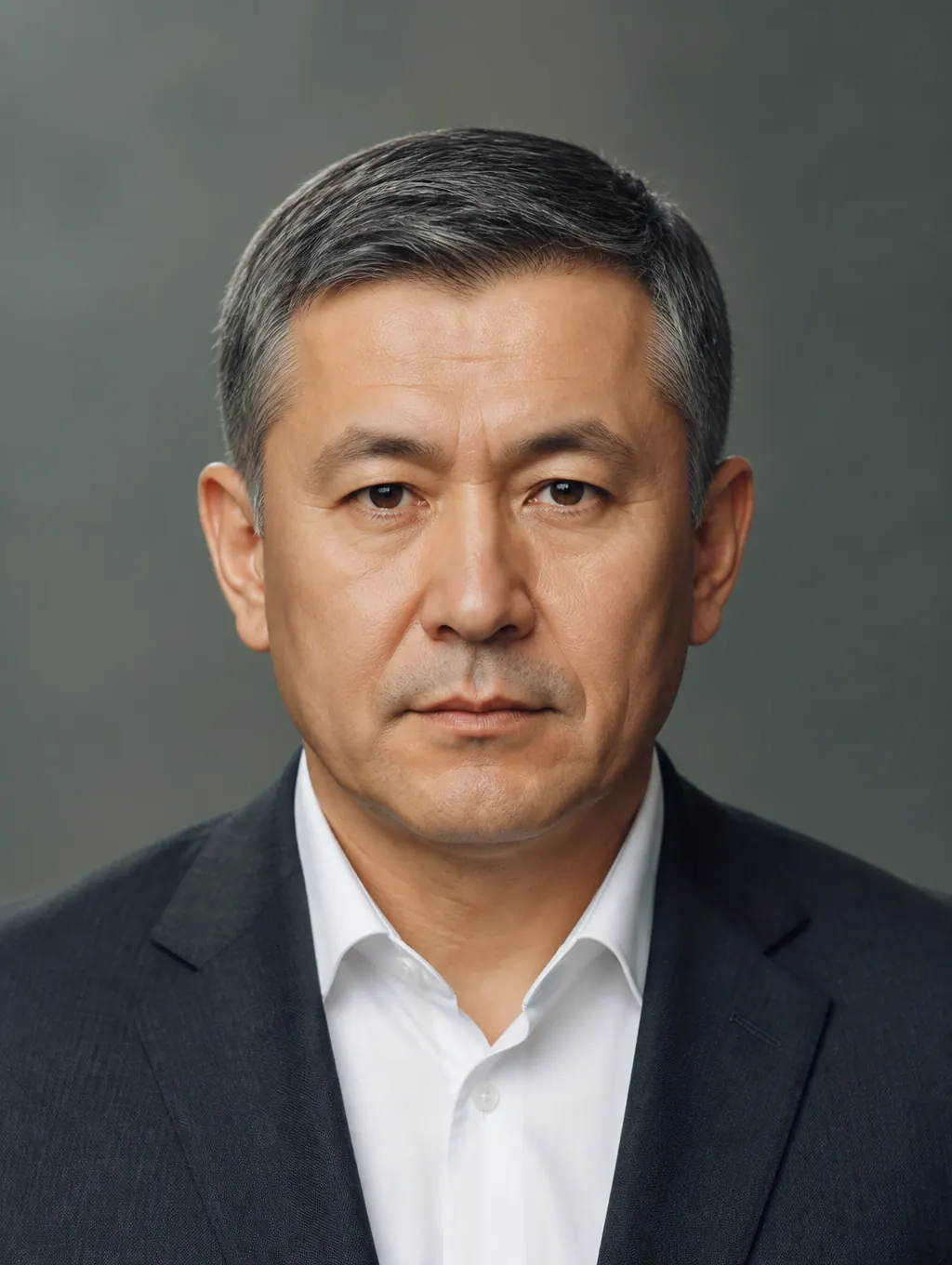
Bankruptcy and debt recovery lawyer
Handles bankruptcy and rehabilitation procedures, recovers receivables, defends directors against subsidiary liability.
Practice
Details have been changed and anonymised: the content of the case is protected by professional privilege.
Useful information
The task usually looks harmless: draft a contract, respond to a counterparty's demand, go through an approval procedure. A general lawyer takes it on confidently, since the contract text is familiar and the rules are the same as in other transactions. But at the performance stage it turns out that the market has its own customs, its own permit requirements and its own logic of dispute that general practice does not capture.
In this article you will learn how an industry lawyer differs from a general contracts lawyer, by what signs to recognise an industry with its own rules, and in which cases the usual support is enough. We will also look separately at how to organise work with a specialist within a company and what questions to ask before starting.
An industry lawyer is a specialist who handles legal work within a single field and knows not only the provisions of the Civil Code of the Republic of Kazakhstan but also how they are applied in practice. They take on tasks where a general contracts lawyer has to work out the structure of the market, its terminology and regulation from scratch.
A general contracts lawyer supports transactions, prepares standard contracts and handles claims work — their strength is versatility. An industry lawyer takes on tasks that, without immersion in the field, are resolved more slowly and with mistakes: structuring rights to a result, delineating protection regimes, supporting transactions with intangible assets, and work with a foreign element.
An industry lawyer is not a grander title but a different set of competencies. The difference is visible when a general specialist is only studying the industry, while an industry one already understands the typical risks of a transaction and the role of the regulator.
The company has exactly three such practice areas, and no others. The choice is based not on the name of the industry, but on the type of legal task that needs to be handled.
The difference between an industry lawyer and a general lawyer shows in the subject matter of the work. A general contracts lawyer handles the standard flow: supply, services, works contracts, lease, agency, storage, loans. They build the contractual structure of a transaction, check the counterparty, monitor deadlines and payment, and prepare protocols of disagreements and the pre-action procedure.
An industry lawyer knows which requirements in a particular field determine the fate of a contract and how they relate to one another. They work with industry-specific acts, licences, permits, technical regulations and codes of rules, industry registers, approval procedures and special deadlines. The question of whether a general lawyer or an industry lawyer is needed is answered by asking: is the dispute resolved by the text of the contract itself, or does it come down to industry-specific regulation.
In litigation, a general lawyer handles a dispute on general grounds: non-performance, delay, unjust enrichment, losses. An industry lawyer builds the position on special rules and the practice of their application, where the question is the validity of a transaction, access to an activity or liability to the regulator. In IT and intellectual property, cases are handled on copyright, contracts with developers, trade marks and disputes with marketplaces.
| Question | General contracts lawyer | Industry lawyer | Outcome |
|---|---|---|---|
| What comes in | Standard contracts | Industry-specific regulation | Different subject matter of work |
| What they check | The counterparty and the terms of the transaction | Industry requirements for the transaction | Different scope of review |
| What the position is built on | General norms and practice | Special norms and practice | Different argumentation |
| Where it ends | Outside the industry context | At the intersection with general contract law | Overlap |
| Who handles it | A dedicated specialist within the company | A dedicated specialist within the company | The client stays with the company |
The table shows the boundary between the roles, not a gap between them: at the intersection both areas work together.
Ordinary contract work stops covering the matter when the standard wording is in place but performance runs up against the rules of a specific market. That is when an industry lawyer is needed, rather than a general contract lawyer handling both supply and works contracts in the same way.
The law of the Republic of Kazakhstan governs such markets not only through the Civil Code but also through separate laws, subordinate legislation, technical regulations and codes of practice: their own permits, approvals, mandatory requirements for the object, special grounds for liability and dispute resolution procedures. The general contract formula does not capture this specificity.
An industry lawyer in Almaty steps in when the subject matter of a transaction or a conflict lies in a narrow field and the supervisory authority, the counterparty or the court looks at the document through its lens. Specific markets include construction, sport, maritime carriage, tourism and advertising. Understanding the logic of the market matters more than knowing a standard template.
Industry regulation in Kazakhstan manifests itself through a permitting regime: certain types of activity are permitted only where a licence or a special permit from an authorised body is held. If a permit is mandatory and its absence entails suspension of activity, this is the first sign that a general contract lawyer will not cover all the tasks.
The second marker is a separate layer of subordinate legislation. In addition to the Entrepreneurial Code and the Civil Code, the industry operates under rules, orders and regulations of the relevant ministry or agency, which set requirements for products, services, personnel and reporting. They change more often than general legislation and require constant monitoring.
The third sign is supervision by a separate agency, which conducts inspections under its own regulations and may issue binding orders. A dispute or inspection will be assessed under special rules rather than general ones.
A separate category is international law and migration: the status of foreign nationals, the employment of foreign workers, foreign economic contracts and the recognition of foreign judgments. Both national permitting procedures and international treaties apply here, which makes the signs of industry regulation particularly visible.
In contract work, an industry lawyer sees a transaction through the prism of a specific type of activity, not only the general norms of the Civil Code. The same subject matter of supply or work in different sectors acquires different mandatory terms: in some places, alignment with technical regulations and codes of practice is required; in others, licences and permits; in others, a special procedure for acceptance and claims work. A general contract lawyer does not hold these layers: he does not know industry acts or the practice of their application.
The structure of the contract changes: sections appear on compliance with mandatory requirements, on permits and approvals, on interaction with authorised bodies and on the procedure for recording results. Risks are allocated differently: standard liability clauses do not work when a breach of industry standards entails not only the counterparty's losses but also a reaction from the regulator. An industry lawyer builds risks around the real control points in a specific activity.
An industry lawyer wins not by knowing more norms, but by seeing the consequences of a wording two steps ahead — where a general contract lawyer sees only text.
Kazakhstan's permitting system is based on the Law "On Permits and Notifications": first-category permits (licences), second-category permits and notifications are tied to specific types of activity and actions. For an LLP to obtain a document, it is necessary to correctly determine the regime, assemble the package and pass a review for compliance with qualification requirements. An industry lawyer knows which body is competent, what information is requested from information systems and where refusals are most common.
Support begins with a legal audit: constituent documents, personnel, material and technical base and previously issued permits are reviewed. Then the application, justification and documents confirming compliance with the regulator's requirements are prepared. A general contract lawyer sees only the formal filing; an industry lawyer assesses each requirement as a condition of market access.
A mistake at the filing stage costs more: a refusal means lost time, and a permit obtained in breach of requirements may be suspended or terminated, and the activity will have to be stopped. A refusal, suspension or termination of a permit is first challenged by a complaint to a superior body under the Administrative Procedural Code, then in a specialised interdistrict administrative court, and the position is built with account for industry acts rather than the general norms of contract law. A contract lawyer is responsible for transactions; an industry lawyer is responsible for access to the activity.
An industry-specific lawyer works not with general business norms but with sector-specific regulation and practice in a particular market. They know which documents an inspector is entitled to request under the sectoral law and which demands fall outside their competence. This makes it possible to prepare documentation and responses to requests before the stage of a protocol.
Supervisory authorities act within the subject matter of the inspection set out in the inspection order and may not expand the list of information or access to systems beyond the sectoral law. Interaction is built on statutory references: each demand is compared against a specific provision.
The defence is built on three actions. The inspectors' powers and the boundaries of the subject matter of the inspection are recorded. Written objections to the inspection report are prepared, citing the provisions breached. A position is determined on the administrative proceedings and appeal: a complaint against the inspection results is, as a rule, first filed with a superior body under the Administrative Procedural Code, and only after that with the administrative court.
The choice of a narrow focus is based on the structure of the practice. The department has three areas: IT and intellectual property; specific markets; international law and migration. In each of them the set of supervisory authorities, typical violations and procedure for objections differ, so a general contract lawyer is less precise.
In an industry-specific dispute, the outcome is more often determined not by general procedural experience but by command of specialised acts, terminology and practice. An industry-specific lawyer understands the logic of regulation: which provisions are basic, which are referential, how a law and a subordinate act relate to each other, and what counts as a violation in a particular field. A general contract lawyer sees the dispute through the law of obligations, while a niche specialist sees it through the sectoral regime. This shows already at the stage of preparing the legal position and gathering evidence.
In court, the precise qualification of the relations matters. An industry-specific lawyer conducts the case relying on specialised terminology, which the court perceives as a sign that the party is prepared. Incorrect qualification of a contract or a mixing of regimes results in the arguments being left unassessed on the merits. In IT and intellectual property these are cases on copyright, contracts with developers, trade marks and disputes with marketplaces. Here it is important to distinguish between the assignment of an exclusive right and a licence, between a work made for hire and a work commissioned, — the subject matter of proof depends on this.
Comparing a sector-specific lawyer with a general one starts with the type of task. A general contracts lawyer handles standard document flow: supply, services, works contracts, lease, employment relations. A sector specialist steps in where the structure of a transaction or procedure is set by a special law and a subordinate act. A standard matrix of situations helps to work out which lawyer is needed for a sector.
A routine contract on standard terms does not require immersion in the sector: it is enough to check the subject matter, deadlines, liability and payment procedure. A sector contract is structured differently: in construction, sport, maritime carriage, tourism and advertising, the law determines the mandatory terms and restrictions in advance. A permit procedure and an inspection are areas where an error in the list of documents or in the deadline for appealing an order costs more than the transaction itself.
The choice of format is determined not by the size of the business, but by the predictability of the legal field. Where practice is settled and disputes are routine, a general lawyer can cope. Where a special regime applies and a supervisory authority checks sector requirements, a specialist is needed who reads those acts daily. If a dispute has already started, one should look at the subject matter of the dispute and jurisdiction, not at the contracts lawyer's specialisation.
| Situation | What matters | Format |
|---|---|---|
| Routine contract | Checking the terms and payment procedure | General lawyer |
| Sector contract | Mandatory terms under a special law | Sector lawyer |
| Permit procedure | Completeness of documents and deadlines | Sector lawyer |
| Inspection and order | Sector requirements of the authority | Sector lawyer |
| Contract dispute | Subject matter of the dispute and jurisdiction | General lawyer |
| Dispute over industry regulation | Special rules and practice | Industry lawyer |
The format can change as the task progresses: the general lawyer handles the transaction, while the industry lawyer is brought in for the part with special regulation.
Working with an in-house industry lawyer is much the same as with any narrow specialist: the more precise the task, the fewer clarifications needed. A manager should determine which matters stay with the general contract lawyer and which require separate expertise. On the status of foreigners, hiring foreign employees, foreign economic contracts and recognition of foreign judgments, a specialist in international law and migration is brought in straight away. This saves resources and reduces the risk of error at the start of a transaction or a staffing decision.
An industry lawyer on retainer works more effectively with ongoing access to primary documents: charters, permits, licences, contracts, correspondence with counterparties and state bodies. Access does not mean handing over all materials at once — it is enough to agree a list of folders and how they are updated. It is important to agree in advance who in the company is responsible for issuing documents and how instructions are recorded. Then the specialist sees the whole picture rather than individual fragments.
The first mistake is confusing concepts: general experience is taken for industry specialisation. A lawyer with many years of contract practice may not handle matters in a particular niche, while a narrow specialist spots risks faster that a general contract lawyer would not notice. Age and length of service alone say nothing about depth of knowledge in your field.
The second mistake is trusting loud wording. Talk of a "comprehensive approach" and "turnkey support" does not confirm experience in the niche: what matters is which tasks the specialist has handled and which regulations they have worked with. An industry lawyer confirms the selection criteria through cases, not through a description of services.
The third mistake is not checking how work was organised in your industry. Look at which contracts and disputes the specialist has handled, and whether they are familiar with industry regulation and subordinate legislation of the Republic of Kazakhstan. It is useful to clarify the format of work: a one-off task, transaction support or ongoing servicing — it is chosen based on the workload and the nature of the relationship.
Mistakes when choosing an industry lawyer are most often linked to a failure to check niche experience specifically. To choose a lawyer for your task, formulate the result you need in advance: a one-off consultation, participation in a transaction or regular support. Then the choice stops being intuitive.
A conversation with an industry lawyer before signing the agreement shows whether he understands how the market works and can deal with sector-specific regulators. This helps to weed out a formal approach, where general wording about contractual work hides a lack of industry logic.
First, clarify the practice. What disputes has he dealt with: for example, economic disputes between entrepreneurs are heard by the Specialized Interdistrict Economic Court. Is he familiar with standard contractual structures, permitting procedures and the position of the authorised body. For an LLP — can he structure corporate decisions taking sector specifics into account.
Then the organisation of work: who prepares documents personally, how interaction with sector-specific consultants works, how much time is allowed for urgent requests. How the lawyer sees risks at the outset: which violations most often lead to claims and how to prevent them. The answers must be specific.
Questions to test:
Reviews
We were arranging permits for foreign employees, and Asel took all the documents on herself and sorted it out. We managed it in a month and a half and avoided the fine completely. Didn't think it would happen so quickly
Service: Industry lawyers in Almaty
Thank you, Daniyar! Glad everything was done on time and without a fine — best of luck to you and your team.
We registered the trademark two months earlier than a competitor — Dmitry warned us straight away that we couldn't delay. If we'd dragged it out a bit longer, we would have lost the name. Now we sleep easy
Service: Industry lawyers in Almaty
Thank you for the review! Glad we could help with the registration — the name is now protected.
I came with a question about a trademark, thought I needed a narrow specialist and big expenses. But they honestly told me that the situation was ordinary and a narrow specialist wasn't needed. I spent only one day on the consultation and that's it. Saved both money and time, very happy that they didn't start selling me a subscription
Service: Industry lawyers in Almaty
When I was signing a contract with a Turkish supplier, I didn't know where to go if a dispute came up. I was afraid the orders would be cut off, so I looked for a reliable lawyer. I came through acquaintances, Yerlan took the documents and went through everything in a day or two. He rewrote the dispute clause in the contract, and now I don't worry about deliveries. He explained it in plain language and didn't say anything unnecessary. I was happy with the work, and if I need advice I'll get in touch again.
Service: Industry lawyers in Almaty
I opened a travel agency recently and immediately had a problem — clients were demanding refunds for a trip that didn't happen. I didn't know how to handle it properly myself and was afraid of complaints. I came here, Aigerim helped sort everything out, and the clients got their money back quickly. True, I had to wait a couple of days for a reply and bring the documents in again. But overall everyone is happy with the result
Service: Industry lawyers in Almaty
My shop on the marketplace was blocked after a competitor complained about a product photo, and I had no idea what to do. I came here and it was unblocked in 9 days. Thank you
Service: Industry lawyers in Almaty
Before signing a works contract I decided to show it to the lawyers, because the sum was large and the contractor was new. They checked it carefully and found a clause on unilateral price changes. It would never have occurred to me that such a thing could even be written in. They removed that clause in advance, before signing. Now we work in peace. I liked that they didn't just say 'it's all fine' but actually went through every clause. They explained what to watch out for in future. I recommend them
Service: Industry lawyers in Almaty
For a long time I didn't understand who to even approach about the trademark question, everyone kept sending me somewhere else. Here they put me through to Sanzhar straight away, and he explained everything step by step. Nice
Service: Industry lawyers in Almaty
I came to them after I got a fine for advertising, didn't understand what to do myself, started looking for a lawyer. Asel helped gather documents for the complaint, but she didn't always answer right away, I had to wait and bring papers in parts. In the end the fine was reduced several times over, I'm happy, though it took some nerves
Service: Industry lawyers in Almaty
I needed to understand how to arrange a visa for an employee from abroad, I'd never dealt with this before and was afraid of making a mistake. I asked acquaintances, but no one really explained, everyone scared me with the deadlines and refusals. I came for a consultation and didn't regret it. They explained the whole procedure clearly, without legal jargon. They laid it out step by step, what to submit and when. They even pointed out which documents people often lose and end up delayed because of it. I left with a full understanding of what to do next. I submitted the documents calmly and everything went without surprises. Thank you for your patience with my questions.
Service: Industry lawyers in Almaty
Thank you for such a detailed review! Glad we could explain everything clearly and that you submitted the documents without any extra worry.
The sports federation I work for fought off the inspection report almost in full. Thank you for going through it point by point.
Service: Industry lawyers in Almaty
I needed a one-off consultation on a single issue, not ongoing support. They didn't push a subscription on me here, they offered exactly that format. It's valuable that they didn't pressure me into a long-term contract
Service: Industry lawyers in Almaty
They built the framework for working with foreign contractors from scratch — now we don't get tangled up in the paperwork.
Service: Industry lawyers in Almaty
My niche is far from typical — sea freight. They found a specialist who actually knows the field, rather than googling alongside me.
Service: Industry lawyers in Almaty
I spent a long time looking for a lawyer who understands the specifics of construction, not just the civil code. I called several places, and everywhere they answered in general terms, as if reading from a template. Here I finally found people who know the field. They went through the contract with the contractor and pointed out risks I hadn't even thought about. They explained things in plain language, without unnecessary theory. They helped prepare a claim when the deadlines started slipping. You can tell they know the industry from practice, not from textbooks. I recommend them to anyone in construction
Service: Industry lawyers in Almaty
Thank you for the kind words! Glad we could help with your construction matters — get in touch if you need anything.
I wanted to register a name for my brand but didn't know where to start. The trademark consultation took an hour, but they explained everything step by step and without fluff. Very helpful
Service: Industry lawyers in Almaty
Thank you, Zhanna! Glad the consultation was useful — if you decide to register the trademark, we'll be there.
A dispute over a licence agreement with a foreign developer was resolved without court — we settled it over correspondence. I thought we'd have to go to court, but it worked out. Thank you
Service: Industry lawyers in Almaty
Thank you for the review! Glad we managed to settle everything through correspondence and without court.
I needed to arrange a work permit for a foreign employee and didn't understand any of it myself. Dmitry helped, and it went faster than I expected. True, I had to submit a couple of extra documents, but that's a minor thing
Service: Industry lawyers in Almaty
I got in touch about a single contract, wasn't sure whether I even needed a lawyer on retainer. They told me straight away — you don't need a subscription, a one-off deal was enough. An honest approach
Service: Industry lawyers in Almaty
I work in a travel agency, and we had a claim against an operator, I couldn't figure out what to do next for a long time. I started looking for a lawyer in Almaty to sort out this issue. They helped me prepare the claim and conduct negotiations with the operator. Gradually everything went in our favor, and our money was returned. It was reassuring to know that there are people nearby who understand these matters
Service: Industry lawyers in Almaty
They drafted a contract for an IT team from scratch — we used to rely on a template from the internet, and it turned out to have a lot of holes. Aigerim laid it all out clearly. Thank you
Service: Industry lawyers in Almaty
Thank you, Darkhan! Glad we could close the gaps in the contract — best of luck to your team.
It's nice that they didn't push a complex retainer format where a written opinion was enough.
Service: Industry lawyers in Almaty
There was a dispute with an advertising agency — I thought they hadn't fulfilled the agreement. I didn't understand the paperwork myself, so I asked for help. They explained everything quickly and sorted it all out. The penalty was revised. Thank you, and good luck with your work
Service: Industry lawyers in Almaty
Thank you, Nurlan! We're glad we could help with the advertising matter — do get in touch again next time.
Thank you for your patience — I had a lot of questions, and the subject is not my area at all, but everything was explained in an accessible way.
Service: Industry lawyers in Almaty
I'm in the supply business, my cargo got stuck at the port and no one could really explain what to do. The carrier kept feeding me promises, and the deadlines were slipping. I didn't know who to turn to, because the situation wasn't exactly standard. Here they got to grips with the documents and prepared a claim against the carrier. They laid everything out point by point and explained my rights. It was clear they knew about sea freight. In the end the matter got off the ground. Thank you for your patience and for not abandoning me halfway. I'll come back again
Service: Industry lawyers in Almaty
I came with an idea for a shop name, but I didn't know whether it would even be registered. I was afraid of a refusal from the examination, because I'd heard a lot of stories about applications that get turned down. They helped check everything in advance and prepare the documents. We filed the application and I waited for the answer with my heart in my mouth. It was registered without any comments from the examination, first time. I was very worried but everything went smoothly. They explained every stage, I understood what was happening. Thank you for the peace of mind they gave me. I recommend them to anyone with their own brand
Service: Industry lawyers in Almaty
This was my first time working with lawyers in such a narrow field, I was afraid I wouldn't understand. The guy called Azamat explained everything clearly, no confusion left at all. He checked the documents himself and told me what I needed. I asked a lot of questions and he answered patiently. He really knows his work, and now I don't have that fear anymore.
Service: Industry lawyers in Almaty
Blog

When it is more cost-effective to hire your own lawyer, and when to turn to an industry specialist from outside.
Read the analysis
Typical mistakes in contracts that cost business the most.
Read the analysis
Grounds for unilateral refusal and the procedure that reduces the risk of a dispute.
Read the analysis
In which cases a director is liable for an LLP's obligations with their own property.
Read the analysis
What is included in the ongoing support package and what is paid for separately.
Read the analysis
A due diligence checklist before a deal to buy a ready-made business.
Read the analysisFAQ
A general contract lawyer works well with the standard structures of the Civil Code, but does not track the specifics of a particular market — industry licences, standards, permit procedures. An industry lawyer works in that niche all the time and sees risks that are simply not visible in a general contract.
If the question is tied to the specifics of a market — registration of rights to IP, licensing of activity, a foreign counterparty, industry regulation — it is an industry matter. If it is an ordinary dispute over non-performance of obligations without industry specifics, a general practice lawyer can handle it, and we will say so at the first conversation.
Yes, that is a normal format. Many enquiries — registering a trademark, a single contract, a one-off consultation on a visa — are closed without ongoing support. A retainer makes sense if industry questions arise regularly.
That is a normal situation: IT companies often work with foreign contractors and partners. Specialists in the practice areas work together within one team, rather than passing the client from one company to another.
Yes. The specialist who handled the deal or prepared the documents takes the case to court themselves if the dispute could not be closed by a letter of claim. There is no gap between the person who prepared the documents and the person who represents interests at the hearing.
Yes, regularly: support of deals with a foreign counterparty, review of the applicable law and arbitration clauses, matters of engaging foreign labour and work permits.
Yes, that falls within the "Specific markets" practice area. If a particular sub-niche has not been in our practice before, the matter is taken by the lawyer closest in terms of the specifics of regulation, and we say honestly if the topic requires engaging an external expert.
Deal support is one task from start to finish: a specific contract, registration, a dispute. Retainer-based support is an ongoing contract, where industry questions arise for the business regularly and a fixed fee is more advantageous than paying for each enquiry.
The list covers three large practice areas and the main niches within them, but does not exhaust all possible markets. Describe the matter — if it is industry-specific, we will select the specialist closest in terms of specifics or say directly that an external expert is needed for a narrow question.
The cost of an oral consultation and a written opinion is set out in the pricing block on this page. The exact amount depends on the scope and complexity of the matter.
A specialist within the team who works in this niche on an ongoing basis — not the first available lawyer. If a specialist in an adjacent area is needed as the case progresses, they are brought in from within the same firm, and the client stays with us.
Contacts and maps
2GIS opens in a separate tab — the service does not allow embedding an organisation card.
Open in 2GISZoon opens in a separate tab: client reviews and ratings are there.
Open on ZoonThe first consultation is free. If the matter can be resolved without court, we will say so directly.