Checking the property before purchase
Arrests, pledges, court disputes, registered residents, rights of minors and heirs. A check costs less than any subsequent dispute.

We support the purchase and sale of flats, houses and land plots
We handle disputes over ownership rights and division of housing
We legalise redevelopment, extensions and unauthorised buildings
We argue with developers over deadlines, quality and penalties
We resolve conflicts with neighbours, the KSK and utility services

Send us the documents for the property — we will tell you what risks the deal carries and what needs to be fixed before signing.
Message us on WhatsAppArrests, pledges, court disputes, registered residents, rights of minors and heirs. A check costs less than any subsequent dispute.
A contract tailored to the specific transaction, a safe payment procedure, handover of the property and registration of the transfer of title.
When documents are lost, the property is not registered, or the title is disputed by relatives and third parties.
Approval of changes already made, extensions, unauthorised constructions, bringing the documents into compliance.
Delayed handover, defects in finishing, discrepancy in floor area. Recovery of penalties and remedying of defects.
Flooding, noise, encroachment on common areas, disputes over the boundaries of land plots and access to them.
Challenging charges, requesting a report on the use of funds, disputes over the quality of services.
Removal from registration of former family members, move-in of the owner, determination of the procedure for using the housing.
The first consultation is free. If the deal is clean and no support is needed, we will say so directly.
Cost
Indicative prices. The exact amount is stated after reviewing the documents for the property and is fixed in the contract.
| Service | What is included | Cost |
|---|---|---|
| Consultation on a property | Review of the situation and documents, assessment of risks | free of charge |
| Property check before purchase | Encumbrances, disputes, third-party rights, history of the property | from 25,000 ₸ |
| Sale and purchase agreement | Drafting for a specific transaction with payment terms | from 35,000 ₸ |
| Full support of the transaction | Check, contract, payments, handover, registration | from 90,000 ₸ |
| Legalisation of redevelopment | Collection of documents and support with approval | from 120,000 ₸ |
| Recognition of ownership rights | Handling the case in court through to judgment | from 190,000 ₸ |
| Dispute with a developer | Claim, calculation of penalty, statement of claim and representation | from 170,000 ₸ |
| Dispute with neighbours or the HOA | Claim, statement of claim, work with expert examination | from 120,000 ₸ |
Prices are for reference only and do not constitute a public offer. State duty, notarial acts, valuation and construction and technical expertise are paid separately.
We review the title documents, technical passport, information on owners and encumbrances.
Arrests, pledges, court disputes, heirs, rights of minors and registered occupants.
We tell you straight: the transaction can proceed, this needs to be fixed, or it is better to walk away.
We draft a contract tailored to the transaction and a safe procedure for transferring money, not a standard template.
If a dispute already exists — calculation of claims and pre-trial settlement with the developer, neighbour or the HOA.
Statement of claim, hearings, work with construction and technical expert examination and valuation.
Registration of the transfer of title or of changes following a court decision — until this is done, the case is not closed.
Recovery of the awarded amount, vacation of the premises, remedying defects by the developer.
Send us the documents — we will check the property's history and encumbrances before signing.
Team
We handle a case from start to finish with the same team: you always know who is dealing with your matter and who to contact.
Lawyer for civil cases
Handles disputes over real estate, inheritance, contracts and transactions. Supports transactions from document review through to registration of title.

Lawyer for financial and motor vehicle disputes
Works with banks, insurers and debt collectors, handles recovery and bankruptcy cases, and defends drivers in administrative matters.

Lawyer for family and social matters
Handles divorces, division of property, alimony and disputes over children, as well as employment, pension and social issues.

Lawyer for corporate law
Supports company transactions, arranges shares and corporate agreements, handles disputes between participants and reorganisation.

Tax lawyer
Challenges notifications and inspection reports, handles tax disputes in court, supports inspections and recovers overpayments.

Construction and contract lawyer
Reviews contract agreements, estimates and acts, handles disputes over quality and scope of works, supports acceptance of facilities.

Intellectual property and IT lawyer
Protects copyright and trademarks, drafts contracts for IT teams and handles rights to products and code.
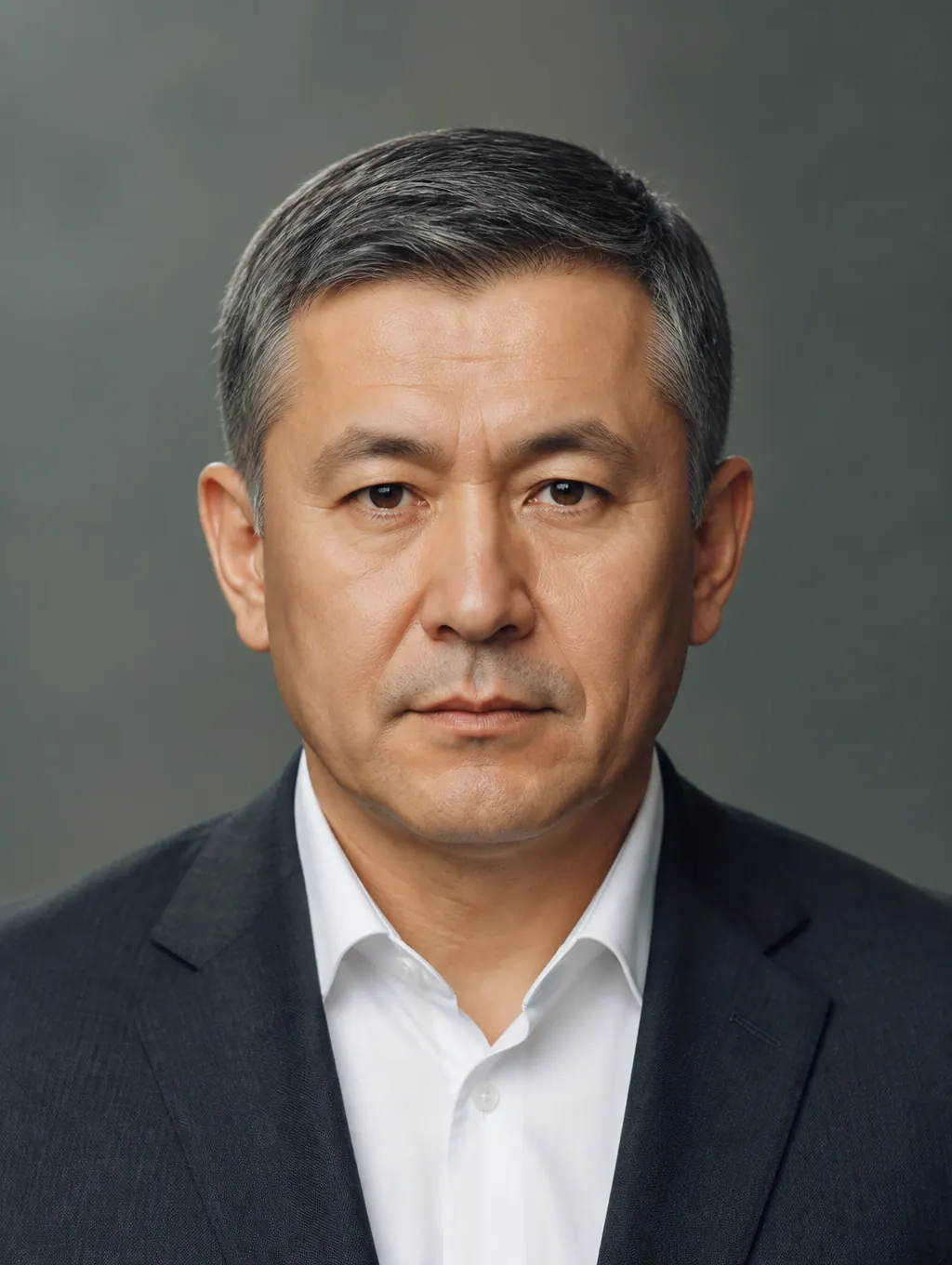
Bankruptcy and debt recovery lawyer
Handles bankruptcy and rehabilitation procedures, recovers receivables, defends directors against subsidiary liability.
Practice
Details have been changed and anonymised: the content of the case is protected by professional privilege.
Useful information
A resident of Almaty usually comes with one of two things: either they are about to buy or sell a home and want to understand exactly what is checked before the contract is signed and before the money changes hands, or a dispute has already started — someone else's rights to the flat have come to light, the developer is delaying handover, a former relative will not move out, neighbours or the KSK are making claims. In both cases the question comes down to the documents and to what right the person actually has to the property.
From this article you will get the scope of the pre-transaction check, an understanding of why the documents for a flat do not show its history and the rights of third parties, and the criteria for choosing a route in a dispute. We will also look separately at where the line runs between a housing lawyer and related specialists, and when a meeting is not essential and a remote review is enough.
A housing lawyer is a specialist in housing and the land-law regimes around it. His work brings together the pre-transaction check of rights to a property, disputes with a developer over quality and deadlines, conflicts with neighbours over boundaries and redevelopment, relations with the KSK and the OSI, eviction and the determination of shares. He talks to the registration authorities, the akimat, the developer, the chairman of the KSK and the other party to the transaction instead of the client, taking away the correspondence and the waiting in corridors.
The initial review of a situation is built on documents. The legal regime of a flat, house or plot is determined by title documents, certificates of registered rights and encumbrances, technical documentation and information from the real estate register information systems. Until the papers are gathered and compared, any assessment of the dispute remains a guess.
The check of a property is made up of independent layers: who the owner is and on what basis, whether there are any arrests, pledges or pre-emptive rights, whether the layout and area match the documents, whether alterations have been legalised, whether there are any utility debts or land-use restrictions. Each layer is checked separately: a defect in one is not covered by another.
An initial consultation on housing matters starts with a specific property: the address, the owner's IIN, the title document. An encumbrance in the form of a pledge, arrest or lease is identified from information in the real estate register information systems, which are ordered through a Public Service Centre or the eGov portal. Until it is established who is recorded as the owner and what entries accompany the property, it is premature to discuss the transaction.
The second layer of enquiries relates to disputes with a developer: the quality of the flat handed over, breach of deadlines under a shared construction participation agreement, refusal to remedy defects. Here the subject of the consultation is tied to the acceptance certificate, the design documentation and the correspondence. Family conflicts stand apart: the eviction of a former spouse who used the home without the owner's consent, and disputes over a share when co-owners cannot agree on how the premises are to be used.
A third common reason is the work of the KSK and the OSI: challenging decisions of a meeting, charges for the maintenance of common property, refusal to provide the minutes and financial statements. A housing lawyer's consultation here relies on the charter, the minutes and the payment documents. Over 14 years of practice in real estate — flats, houses, plots, shares, inheritance, disputes over residence and over rights to a property — it is clear that a vague question without a document cannot be assessed.
A remote format in housing matters is applicable where documents, rather than presence at the property, play the key role. The analysis of title documents, checking the history of transfers of rights, reviewing information from the real estate register information systems and certificates obtained through a Public Service Centre or the eGov portal are carried out on scans and electronic extracts. Correspondence with the developer or the KSK, OSI is conducted through official channels, and the draft contract and its annexes are examined line by line without a personal meeting.
Preparing a claim, objections to it or a draft agreement is also possible remotely: the parties exchange edits electronically, and signing is postponed until the final version. Applications for registration are filed through eGov and the rights register services, certificates of registered rights and encumbrances are requested, and the status of the application is tracked. This procedure is convenient when the parties are in different cities or the property is being bought remotely.
A housing dispute in Almaty is tied to a specific district: the practice of district courts on eviction, division of personal accounts and challenges to refusals of privatisation varies. The district akimat keeps records of communal housing, adopts decisions on the provision and re-designation of premises, and takes part in disputes over unauthorised redevelopment. A lawyer therefore assesses the prospects of a case in light of which authority and which court will hear the matter at a particular address.
A separate layer is the KSK and the OSI. In the old housing stock, apartment owners' cooperatives remain, while in new residential complexes property owners' associations operate; the allocation of duties between them, their decisions, tariffs and claims against non-payers are checked against the charter and the minutes. A dispute over the maintenance of common property, access to utility networks or approval of redevelopment turns on which management body operates in the building and how far its decisions comply with the documents.
A housing dispute grows out of documents that look flawless. A certificate of rights from the Public Service Centre and the title document show the current state of the property, but not its history or the rights of third parties. An arrest, a pledge, an heir with a right of use or a tenant left by the previous owner are not visible in those papers. A lawyer therefore begins with the ability to read cadastral and title documents together and to request what they do not reflect.
Specialisation matters more than general experience. Supporting a transaction, a dispute with a developer under a shared construction participation agreement and a conflict with a KSK or OSI are different fields with different sets of knowledge. A lawyer who confidently handles land disputes, challenges to cadastral value and eviction cases inspires more trust than one who takes on anything.
A separate criterion is the willingness to name alternative ways of resolving the dispute. If a specialist promises a specific outcome before studying the documents, you are being sold a result, not work. A professional sets out the options: negotiation, an application to the registering authority, court proceedings, and speaks honestly about the risks of each.
A specialist can be checked against several signs.
A title document shows the current state of the flat, but not its history: arrests, heirs and tenants who have retained a right of use are not visible in it.
Before money is handed over, a housing lawyer checks the title documents: a sale and purchase agreement, a gift agreement, an exchange agreement, a certificate of inheritance, a court decision, an act of the state commission accepting the property into operation. The seller is matched against the rights holder using real estate register data: if it is not the owner who is disposing of the property, a notarised power of attorney is required with an expressly stated right to sell that specific property. Encumbrances, arrests, prohibitions on disposal and pledges are established from information systems of the real estate register and from certificates obtained through the Public Service Centre and the Government for Citizens State Corporation.
The history of transfers of title and the grounds on which it arose are studied: whether transactions in the chain were for value or gratuitous, privatisation, allocation of a share, the lawfulness of earlier disposals. Registered persons and their right of use of the property are checked, including former owners and family members who have retained a right of residence. Where joint property of spouses is being disposed of, the notarised consent of the spouse is requested; where there are other co-owners, compliance with the pre-emptive right to purchase a share is verified.
| Subject of the check | Where it is checked | What it rules out |
|---|---|---|
| Title documents | Contracts, certificates, decisions | Absence of a legal ground for the right |
| Seller and right holder | Real estate register, identity document | Disposal by an unauthorised person |
| Encumbrances and arrests | Registry information systems, certificates through the Public Service Centre | Hidden pledges and prohibitions |
| History of transfers of the right | Information on registered rights | Voidable transactions in the chain |
| Powers of attorney and consents | Notarial documents | Invalidity due to a defect of will |
The check is carried out against the documents and records of the real estate register; the layout and payments are verified against the technical documents and account statements.
An encumbrance is a restriction of the ownership right in favour of another person: pledge, lease, servitude, right of lifelong residence. An arrest is a prohibition on disposing of the property by a court order or in enforcement proceedings. The right of lifelong residence survives even after a sale; the new owner cannot evict such a resident. The record of third-party rights lists everyone who has claims to the property.
They are checked against the real estate register and primary documents, not against the seller's words. A certificate of registered rights and encumbrances is issued through a Public Service Centre by the State Corporation Government for Citizens. The lawyer verifies it against the title documents and the history of transfers of title. A discrepancy between the seller's words and the register entry is a reason not to rush with payment.
Persons who retain a right of use are checked separately: former family members, tenants and pledge holders. Where there is a pledge, the bank's consent is required, otherwise the sale may be challenged. An arrest is lifted after the obligation is discharged or the interim measure is cancelled; on its own it will not stop the transaction.
Unauthorised redevelopment can be legalised if the changes do not affect load-bearing structures or the common property of the building; otherwise the premises are restored to their previous state, and this is done by the current owner, not by the person who carried out the redevelopment.
Transactions involving shares, the participation of minors and family property require separate checks: a defect in a single document leads to the sale and purchase being challenged and to loss of title. First it is established whether the pre-emptive right of purchase of the other co-owners is affected: when a share is sold to an outsider, they are sent written notice stating the terms, and without evidence of refusal or expiry of the period the transaction may be transferred to the other participants. If the owner is a minor, the consent of the second parent and the authorisation of the guardianship authority for the disposal are checked, as well as the provision of equivalent housing for the child. Separately, there is the spouse's consent: property acquired in marriage is disposed of only with a notarised consent, otherwise the spouse may seek to have the transaction declared invalid.
After the acceptance certificate is signed and the rights are registered, a housing lawyer becomes involved in two lines of dispute. The first is with the developer: the quality of the apartment and the common property, the handover deadlines under the shared construction participation agreement, the terms of the contract and supplementary agreements. The second is with the KSK or the OSI: maintenance of the common property, calculation of payments, decisions of owners' meetings and their implementation.
The guideline is simple. If the problem arose before the property was handed over, the parties are the developer and the shared construction participant, and the claims concern defects, deadlines or the terms of the contract, this is the developer line. If the building has been handed over and the dispute concerns the maintenance of the courtyard, entrance, roof or the amounts in the invoice, this is the KSK or OSI line, where the minutes of meetings and the completion certificates matter.
A related case is flooding: the water may come from the neighbours, but the damage is recorded by an act, an assessment is made and a claim is sent; a significant part of such cases is closed without court. If the flooding is caused by improper repair of the common property, the act and the assessment will help to distinguish the neighbour's liability from the obligations of the KSK or OSI.
| Situation | Defendant | What is proved |
|---|---|---|
| Defects in the apartment after handover | Developer | Contract, acceptance report, correspondence on defects, expert opinion |
| Handover deadline breached | Developer | Share participation agreement, notices of postponement, date of actual handover |
| KSK or OSI charges inflated | KSK or OSI | Meeting minutes, tariff documents, completed works reports |
| Flooding from a neighbouring apartment | Owner or KSK and OSI | Flooding report, damage assessment, claim; often closed without court |
| Decision of the meeting is contested | KSK, OSI or the initiator of the meeting | Compliance with the procedure for convening and voting, counting of votes, notifications |
If the defendant and the evidence do not match your situation, the line of dispute has been chosen incorrectly.
The basis for using the housing is the key question in eviction. A person may live there as a member of the owner's family, under a lease agreement, under a testamentary refusal, or without title. If the basis has fallen away — the marriage is dissolved, the contract is terminated, the owner has changed — the use becomes baseless. A housing lawyer checks whose housing this is and whether the person has an independent right of use: this determines deregistration and eviction. For the owner's personal property, the court decides the matter.
A former family member does not retain the right of use automatically. The court may retain it for a certain period if the person has nowhere to live, has no other housing, and their financial situation does not allow them to provide for themselves. Then eviction is postponed until the end of the term or until the conditions fall away. If there is no independent right, registration and residence are derived from the owner's will and terminate together with the family relationship. Division of property upon divorce is a separate topic; here we are talking about the use of specific housing.
In conflicts between neighbours, a housing lawyer most often deals with flooding, unauthorised redevelopment and the procedure for using common property. The outcome of the dispute is determined by the status of the premises and whether the changes have been approved: redevelopment agreed through the Public Service Centre and entered in the registration documents produces one set of consequences, unauthorised redevelopment another, up to a requirement to restore the premises to their previous condition.
Flooding requires documentation: an inspection report with the participation of a representative of the KSK or OSI, photo and video recording, and a specialist's opinion on the cause and extent of the damage. What matters is who owns the premises and who actually used it: liability may lie with the owner, the tenant, or the person whose pipes were the source of the leak.
The use of common property — basements, stairwells, attics, the adjacent territory — is permitted only in the established procedure and with the consent of the owners. Arbitrarily occupied common areas, attached vestibules, fenced-off parking spaces and storage rooms create grounds for claims to vacate and restore the property to its original condition.
The method of protection in a housing dispute is determined by the client's goal and the stage of the conflict. If the parties are ready to discuss terms, they start with negotiations: clarifying the scope of claims, deadlines for performance, and the procedure for remedying defects. If no agreement can be reached, a pre-trial claim is prepared with a description of the breached terms and a demand. Then comes a lawsuit in court or an application to the akimat or housing inspection bodies, when the violation is administrative in nature.
The choice is not random. Negotiations and a claim are cheaper and faster, but do not have compulsory force. A court allows recovery of losses, obliging the remedy of defects or recognition of a right, but requires evidence and time. The administrative procedure is appropriate where a response from an authorised body is needed: violation of the rules for maintaining common property, illegal redevelopment, refusal to approve. The paths are combined: a claim and a complaint to the inspection proceed in parallel.
Reviews
We had the flat checked before buying, and they found a ban on registration actions that the seller had kept quiet about. The deal was cancelled. 25 thousand saved 30 million.
Service: Housing lawyer in Almaty
We bought a flat in a new building, waited a year and a half for the keys, and the developer kept dragging it out and in the end handed over the building ten months late. Instead of money he offered household appliances as an apology, which, to put it mildly, didn't suit us, and we went looking for a housing lawyer. Through court we recovered the penalty, and the sum came out serious.
Service: Housing lawyer in Almaty
we bought a house with an extension that the previous owners had built, and we just couldn't get it registered. I already thought it was impossible, we even wanted to sell it as is. then I found this firm, they worked on it for about five months. Gulnara was always in touch, explained what and where, calm, even though I was nervous. thanks, everything got registered, now the house is ours on paper
Service: Housing lawyer in Almaty
Thank you for the review! We're glad it all worked out, and that Gulnara helped you get through this calmly.
The neighbours above flooded us three times, and each time they refused to pay, saying the pipes were old and it wasn't their fault. I didn't know what to do anymore, I went to them, argued, then gave up and went looking for a lawyer. Yerlan looked at the documents, said we could try without court, but we needed a damage assessment. We got the assessment done, drew up a pre-trial claim, and they paid us before it went to court. Honestly, I didn't believe that was possible. Yerlan was in touch the whole time, explained things in simple words. We never once had to go to court, saved ourselves the nerves. Thank you very much
Service: Housing lawyer in Almaty
The dispute with the housing cooperative over charges for common property dragged on for a long time, I was sure I was overpaying, but I couldn't prove it myself. I went to a lawyer with a pile of receipts and minutes. We worked through it calmly, without pressure, the lawyer said straight away that we wouldn't be able to fight off everything completely. Some things were removed, part of the sums were taken off, but not everything I wanted. At least it became clear what I'm actually paying for. Honestly, no fairy-tale promises. I liked that approach
Service: Housing lawyer in Almaty
a house was left from my father, but the documents were lost back in the nineties. I didn't even know where to start, we wanted to do it somehow through acquaintances, but it didn't work out. I found this firm, they collected archive certificates, dug through all the authorities. The court recognized the ownership right, I breathed a sigh of relief. huge thanks
Service: Housing lawyer in Almaty
We were looking for a flat to buy, it was our first time dealing with this, so we decided to have the property checked by a lawyer. They checked the flat before the purchase, found that it had been acquired through inheritance four months earlier, explained the risk, and we chose another option. The only thing was we had to wait a couple of days for an answer, and bring in the missing documents, but that's minor
Service: Housing lawyer in Almaty
Thank you for the review! Sorry for the delay in replying, there are busy periods, but we're glad we helped you choose a reliable option.
We bought a flat, and then it turned out that the redevelopment had been done by the previous owner and was never legalised. We started looking into it, and honestly I got scared, thought we'd have to tear everything down. I went to a lawyer, Sanzhar took it on, said it was solvable. We had to fuss with the technical passport, bring in a pile of papers, sometimes I waited longer for an answer than I'd have liked. But in the end the redevelopment was legalised, everything was properly done. Sanzhar explained every step, without fancy words. Thank you
Service: Housing lawyer in Almaty
the registered person retained the right of residence. we were told about this before the deal. thank you for not staying silent
Service: Housing lawyer in Almaty
We were divorcing my wife, and the main sticking point was the flat, we both wanted it for ourselves. I thought there would be a court, scandals, nerves. I went to a lawyer, honestly, already braced for the worst. But we were offered to divide the flat by agreement, without court. The lawyer laid it all out, explained the options, helped us come to an agreement. We did the agreement, without court and without nerves. Even my ex-wife was satisfied, and that's worth a lot. It was done quickly, without unnecessary red tape. Thank you
Service: Housing lawyer in Almaty
My former partner isn't the owner, but he wouldn't move out of my flat, and I didn't know how to have him deregistered. I went to a lawyer for help, because talking and persuading weren't working. In the end he was evicted, it all went calmly, without scandals.
Service: Housing lawyer in Almaty
There was an inheritance issue with the flat left by my mother, there were five of us siblings, and we all thought differently. We argued over who would divide it how, and ended up offended with each other. I went to a lawyer, at first I had no trust, but he explained everything clearly. He helped gather the documents and come to an agreement. Now the inheritance has been officially formalised, and relations with my siblings have improved too. Thank you
Service: Housing lawyer in Almaty
The neighbours above flooded our flat, they refused to pay, said it wasn't their fault. Aigerim helped gather the documents and we got an assessment done, recovered the money through court. Many thanks to her
Service: Housing lawyer in Almaty
Thank you for the review! We're glad Aigerim helped see the case through to a result.
Came with a housing issue, got confused in the documents, didn't know where to start. They sorted everything out, calmly, without promising golden mountains. Thank you
Service: Housing lawyer in Almaty
Thank you for the review! We're glad we could help sort out your issue.
Dispute with the KSK over charges. They recalculated.
Service: Housing lawyer in Almaty
The developer didn't hand over the flat on time, we waited as a family, got completely worn out. They delayed it by several months past the deadline in the contract. We trusted a lawyer, went to court, recovered the penalty. The amount really surprised me, I wasn't expecting it. Thank you for your work
Service: Housing lawyer in Almaty
The house was left from my parents, and the documents got lost back in the nineties, I didn't know how to restore them. I went to a lawyer, and in the end the ownership right to the house was recognised. Many thanks
Service: Housing lawyer in Almaty
Thank you for the review! We're glad we helped restore the documents and get the ownership right recognised.
We were dividing a house with relatives, couldn't agree on who uses what. Dmitry helped determine the shares and the procedure for use. Now everything is clear
Service: Housing lawyer in Almaty
The property check took three days, they found an arrest that the seller had kept quiet about. Good thing we checked before the deal, the deal didn't go ahead. Thank you for the promptness
Service: Housing lawyer in Almaty
Thank you for the review! We're glad the check helped identify the arrest in time and save you from a risky deal.
It was my first time going to someone about dividing property after a divorce, I didn't know where to go. Yerlan explained everything, helped. Then I came back again about an inheritance matter. Good work, no complaints either time.
Service: Housing lawyer in Almaty
Blog

Documents, encumbrances and occupants: what to look at before paying a deposit.
Read the analysis
Deposit, notice period and inventory of property.
Read the analysis
Buying out a share, selling it whole and the procedure for use.
Read the analysis
When legalisation is possible and what to do if neighbours complain.
Read the analysis
Three grounds and the procedure for contacting the supplier.
Read the analysis
Grounds for eviction and protected categories of residents.
Read the analysisFAQ
Documents show the current state, but not the history of the property or the rights of third parties. Arrests, heirs and residents who have retained the right of use are not visible in the certificate.
Usually yes, if the changes do not affect load-bearing structures or the common property of the building. Otherwise the premises will have to be returned to their previous state.
Calculate the penalty under the contract and send a claim. It is better not to sign the acceptance certificate without comments until the defects are recorded.
Record the flood with a report, obtain an assessment of the damage and send a claim. A significant part of such cases is closed without court.
It depends on whose housing it is and whether the person has a right of use. For the owner's personal property, usually yes, through court.
No. If the transaction is terminated or a dispute arises, exactly the amount stated in the contract will be returned. The tax saving does not cover this risk.
The check takes two to three working days. Full support with the contract and registration usually takes one to two weeks.
Yes, including disputes over boundaries, access to a plot and legalisation of buildings.
The consultation is free. Checking an apartment before purchase is charged separately from handling a dispute. There are indicative figures in the price list, and the exact amount is given after reviewing the documents for the property.
Yes. Send photos of the flat documents, the extract and the correspondence — three days is enough for a full check of the property.
Eviction and removal from the register, division of housing on divorce and inheritance, determining the procedure for use, legalising alterations, disputes with the KSK and compensation for damage from flooding.
Contacts and maps
2GIS opens in a separate tab — the service does not allow embedding an organisation card.
Open in 2GISZoon opens in a separate tab: client reviews and ratings are there.
Open on ZoonThe first consultation is free. If the matter can be resolved without court, we will say so directly.