Name check before launch
We look at whether the designation is available in the relevant classes and whether there are confusingly similar marks. The cheapest service and the most useful.

We work with entrepreneurs and companies that invest in their name
We start with a search: filing without one almost always means losing the fee and a year
We select classes based on actual activity, not the maximum just in case
We respond to examination requests and challenge refusals where they are arguable
We protect the registered mark against copying and bad-faith applications
We draft licences, franchise agreements and transfers of rights within a group of companies

Send us the name or logo and we will check whether there are similar designations and whether it is worth filing the application in that form at all. The preliminary check is free, and if the chances are low, we will say so before you spend money on the filing fee.
Message us on WhatsAppWe look at whether the designation is available in the relevant classes and whether there are confusingly similar marks. The cheapest service and the most useful.
We prepare the application, select the classes and the list of goods and services, and handle the proceedings through to the certificate.
The examination has sent a notification of non-compliance. We prepare a reasoned response — a significant share of applications are saved at this stage.
If registration is refused, we analyse the grounds and prepare an objection. A refusal on grounds of similarity is far from always indisputable.
Someone is using a similar name, packaging or design. We record the infringement, send a demand, and go to court if necessary.
You are accused of infringing someone else's mark. We examine whether there is in fact a similarity and whether the rights holder is abusing their rights.
We handle the grant of the right to use a mark, franchising and assignment of rights, including between companies within the same group.
A former partner or contractor registered your brand in their own name. We examine the grounds for challenging such a registration.
The preliminary check is free. If the designation is already taken or is not protectable, we will tell you straight away — before you spend money on the fee and a year of waiting.
Cost
Registration is calculated by the number of classes: the broader the list of goods and services, the more work and the higher the fees. We quote the exact amount after checking the designation.
| Service | What is included | Cost |
|---|---|---|
| Preliminary check of the designation | Search for similar marks in the relevant classes | free of charge |
| Extended search with a written opinion | Written assessment of registration risks | from 40,000 ₸ |
| Selection of classes and the list | Based on the company's actual business | from 30,000 ₸ |
| Preparation and filing of the application | One class, including correspondence | from 90,000 ₸ |
| Each additional class | Extension of the list of goods and services | from 25,000 ₸ |
| Response to an examination request | Reasoned arguments and documents | from 70,000 ₸ |
| Objection to refusal | Preparation and support of the review | from 160,000 ₸ |
| Claim against the infringer | Recording the infringement and demand | from 65,000 ₸ |
| Court dispute over infringement of rights | Prohibition of use and compensation | from 220,000 ₸ |
| Response to a third-party claim | Assessment of the validity of the demands | from 60,000 ₸ |
| Licence agreement | Preparation and registration of the grant of rights | from 110,000 ₸ |
| Assignment of rights to a mark | Transfer to another person or into a group | from 120,000 ₸ |
The ranges are indicative and do not constitute a public offer. State fees for filing an application, examination and issuance of the certificate are paid separately and are not included in the service fee.
We search for identical and similar marks in the relevant classes, including filed applications. It is better to find out now that a designation is taken than to get a refusal a year later.
Descriptive and laudatory words, generally accepted terms and indications of the type of goods are not registrable. This is a common reason for refusal for no good reason.
We take the ones where you actually operate and plan to operate. Taking everything is expensive and pointless: an unused mark can be cancelled.
We draft the list of goods and services specifically. A vague list gives more grounds for examination requests and narrows protection.
We track the stages, receive notifications and respond to requests within the deadlines. Missing the response deadline terminates consideration of the application.
If the examination sees similarity, we argue on the merits: different goods, different consumers, dissimilarity in sound and meaning, a letter of consent.
After a positive decision, we complete the registration and hand over the documents. From that moment you have the right to prohibit use.
On request, we track similar designations and file objections in time, while someone else's mark is not yet registered.
Send the name or logo via WhatsApp — we will check it for similarity and tell you whether it is worth filing as it is.
Team
We handle a case from start to finish with the same team: you always know who is dealing with your matter and who to contact.

Lawyer for civil cases
Handles disputes over real estate, inheritance, contracts and transactions. Supports transactions from document review through to registration of title.

Lawyer for financial and motor vehicle disputes
Works with banks, insurers and debt collectors, handles recovery and bankruptcy cases, and defends drivers in administrative matters.

Lawyer for family and social matters
Handles divorces, division of property, alimony and disputes over children, as well as employment, pension and social issues.
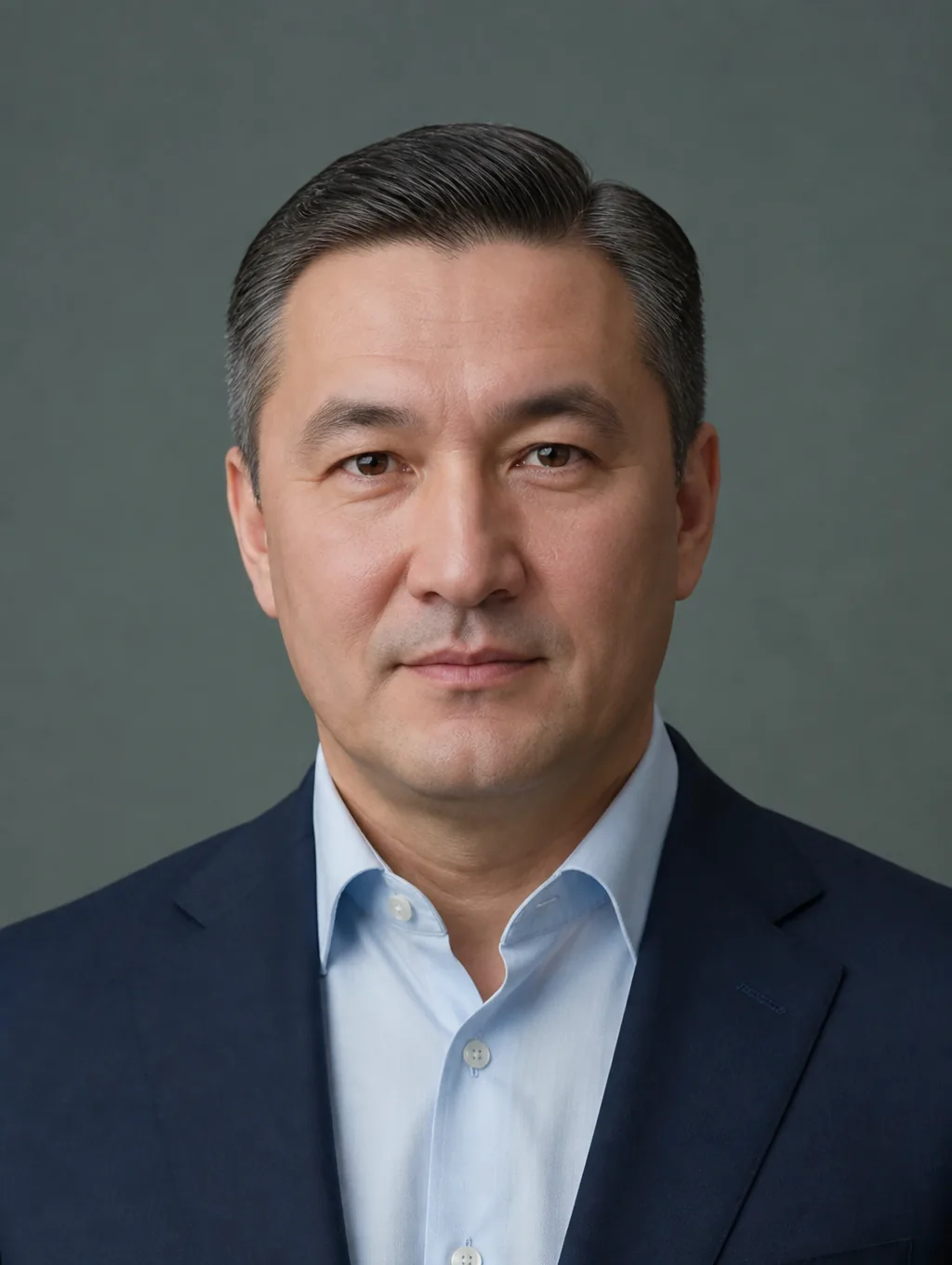
Lawyer for corporate law
Supports company transactions, arranges shares and corporate agreements, handles disputes between participants and reorganisation.

Tax lawyer
Challenges notifications and inspection reports, handles tax disputes in court, supports inspections and recovers overpayments.

Construction and contract lawyer
Reviews contract agreements, estimates and acts, handles disputes over quality and scope of works, supports acceptance of facilities.
Intellectual property and IT lawyer
Protects copyright and trademarks, drafts contracts for IT teams and handles rights to products and code.
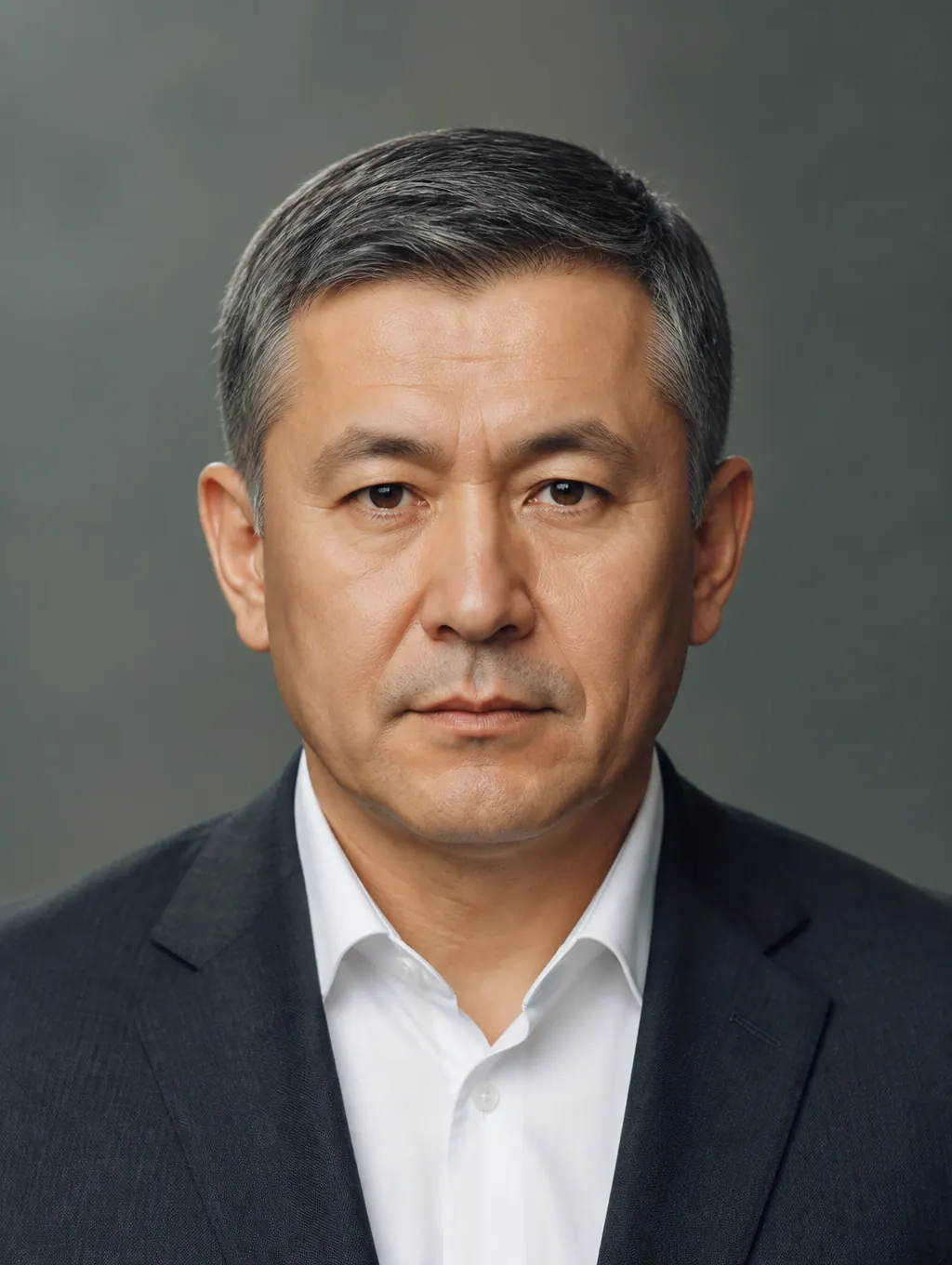
Bankruptcy and debt recovery lawyer
Handles bankruptcy and rehabilitation procedures, recovers receivables, defends directors against subsidiary liability.
Practice
Details have been changed and anonymised: the content of the case is protected by professional privilege.
Useful information
An entrepreneur launches a brand, invests in signage, packaging, a website and advertising, and then finds out that a similar name is already registered. There are many such stories in Almaty: the city is dense, niches overlap, and entrepreneurs often check a name only by eye — they find similar signs and decide that if no one is objecting, it must be free. In reality, clearance before filing works differently, and a mistake costs not only money but also time — from several months to a year while the proceedings are ongoing.
The second typical situation is a refusal by the examiner. The applicant receives a decision listing similar marks and does not understand what to do about it: whether it can be contested, whether arguments will help, whether to change the name or file again. Understanding the grounds for refusal and which Nice Classification classes are actually needed is the job of a trade mark lawyer. Below are practical steps: from clearance to brand protection.
A trade mark lawyer is needed not only in court. Checking a name before filing saves you from a refusal and from redoing signage, a website and packaging. If the examiner has already issued a refusal, a competent analysis of the decision and preparation of a response often change the outcome. When a competitor copies your designation, it is important to gather evidence quickly and fix the priority.
A separate situation is protection abroad: without the support of a trade mark lawyer, an application to a foreign office can easily lose priority or run into a third-party registration. Consulting a specialist is justified in four cases:
Before filing, the sign is checked against the registers of registered and applied-for marks, and for similarity with third-party signs already protected in Kazakhstan. This is not only about exact matches: similar sound, spelling, meaning and the same colour scheme are all risky. A trade mark lawyer sums up the search results in a clear conclusion — what risks the name, logo or slogan carries and how to reduce them before paying fees and filing documents.
In practice, a preliminary search takes 2 days. In that time you can still change the name on the signboard, in the domain name and on social media before money is invested in packaging and advertising. It is worth checking several variants of the sign: what an entrepreneur thinks is a good idea sometimes coincides with a third-party mark in the same class. Below is what is looked at first.
The goods and services for which you register the sign are chosen under the International Classification of Goods and Services — the Nice Classification. The scope of protection depends on how accurately the classes are stated: too narrow a list leaves entire lines of business unprotected, while an unreasonably broad one raises additional questions during examination and increases the risk of refusal or challenge. At the brand launch stage, the marketer and the entrepreneur often focus on the current product range and overlook adjacent positions that will appear later.
Practice shows that mistakes in classes are the most costly. If the name is already used by competitors in a class you have not applied for, proving infringement will be harder, and it is not always possible to expand the list after filing. Focus on actual and planned lines of business:
An application to register a trade mark in Kazakhstan is considered by the National Institute of Intellectual Property (NIIP) under the Ministry of Justice. That is where the documents go after filing, and how carefully they are put together determines whether you will have to respond to notifications and rework the materials. A trade mark lawyer handles the application from start to registration: monitors the progress of the case at the institute, prepares explanations and responds to examination notifications.
Examination has two stages. First, preliminary examination: formal requirements for the application are checked and the Nice Classification classes are verified. Then full examination, where the mark is checked for identity and similarity with already registered and applied-for signs. Notifications are possible at each stage, and mistakes made at the outset are the most costly — they are harder to fix once the application is in process.
An examination refusal is almost always based on one of three grounds. A descriptive sign directly indicates the type, quality or property of the goods and therefore does not distinguish goods of different manufacturers: you cannot make a juice called "Apple" or a shop called "Groceries" your brand. A misleading sign creates a false impression in the buyer's mind about the goods or their manufacturer — for example, a geography in the name of a wine where no such grapes grow. Confusing similarity with third-party marks is the most common reason: the applied-for word or logo coincides with, or is confused with, an already registered mark in the same or a related Nice Classification class.
There are then two paths. The first is a reasoned response to the examination: analysis of the conclusion, evidence of distinctiveness (sales volume, advertising, recognition, long-term use), written consent from the rights holder, or arguments that the signs are not similar. The second is adjusting the application: clarifying or narrowing the list of goods and services, changing the Nice Classification class, adding a distinctive element to the sign. A trade mark lawyer chooses the path based on the circumstances of the case and prepares the documents so that the objection rests on the law, not on emotion.
The examination refuses not only because of someone else's mark. The decision usually states the ground, and what to do next depends on it: prepare arguments, amend the list, or convert the application into another format. A trade mark lawyer analyses the wording of the refusal and chooses a workable scenario rather than simply repeating the applicant's arguments.
Each ground has its own set of actions — from a letter to the examination to adjusting the application. Below are typical situations and how a lawyer responds to them.
| Ground for refusal | What the lawyer does | Result for the application |
|---|---|---|
| Similarity to a registered mark | Prepares arguments on the differences, a letter to the rights holder | Objection withdrawn or consent obtained |
| The designation is descriptive | Gathers evidence of distinctiveness | Arguments to the examination |
| The mark is misleading | Changes the designation or prepares a justification | New application or arguments |
| Overlap of ICGS classes | Amends the list of goods and services | Narrowing of the list |
| No consent for a name or logo | Prepares letters and documents | Addendum to the application |
Each ground is considered separately: sometimes a letter is enough, and sometimes a new application is needed.
Registration of a mark is valid for ten years from the filing date. The term can be renewed, and the request must be filed before the registration expires: if it is missed, protection ends. A trade mark lawyer gets involved in renewal when the business expands or the product range changes.
Extending the list of goods and services requires a new application and a repeat check: classes cannot be added to an already registered mark, but the list can be shortened by amending the registration. If the mark is used for only some of the classes, the registration may be challenged for non-use. Legal support at this stage helps to extend protection in time and not lose the brand in Kazakhstan.
Adding classes or adjusting the list changes the scope of protection, so before filing a new application it is important to check which goods and services you actually sell now and which you plan to launch. An error in the list means that a disputed class remains unprotected or the mark is blocked by someone else's earlier right.
It also makes sense to renew protection when the owner changes, on rebranding, or when entering new sales channels. When a mark has not been used for a long time, its registration may be challenged, so it is better to collect evidence of use in advance. A trade mark lawyer at this stage assesses the risks and decides whether renewal is enough or a new application is needed.
A trade mark can not only be kept, but also lawfully disposed of: assign the rights or allow use under a licence agreement. An assignment means the mark passes to a new owner permanently, while a licence leaves the right with the previous owner but allows another person to use the designation — in full or for part of the ICGS classes, in a certain territory and on the terms the parties have set out.
Both a licence agreement and an assignment of a trade mark are registered with the authorised body. Without such registration the transaction does not produce the required effect: the new owner cannot rely on the transferred mark in disputes, and the licensee risks its use being treated as unfounded. That is why a trade mark lawyer first checks the mark itself and the parties to the transaction, then prepares the agreement, files the documents for registration and handles correspondence with the authority until the record is made.
Most often, registration of a transaction is needed when:
If a competitor has started using your name, first record the infringement. Collect evidence: screenshots of the website and product listings with the date and time, photos of signs or advertising materials, witness statements. In Kazakhstan protection is based on a registered trade mark, so before sending a claim check whether your registration is valid and whether the ICGS classes match the infringer's activity.
A pre-trial claim is sent to the infringer demanding that use of the designation stop and the disputed materials be removed. If the counterparty does not respond, the trade mark lawyer prepares a court claim to prohibit use and recover damages or compensation. Once the decision enters into force, if it is not complied with voluntarily, a court enforcement officer steps in: they take measures of compulsory enforcement, including freezing accounts and prohibiting the sale of goods bearing the counterfeit designation.
When protecting a mark within Kazakhstan and abroad, the set of actions and the logic of the checks differ noticeably. Within the country, the decisive factors remain the similarity of the designations and the similarity of the goods in the register, whereas abroad translations, transliteration, local rules and challenge deadlines are added. Enforcement against copying is built separately: inaction in the first months after discovering the infringement reduces the chances of proving that the mark was actively used.
| Action | In Kazakhstan | Abroad |
|---|---|---|
| Search of the designation | By registry and similarity of goods | Taking into account translations and transliteration |
| Opposition | Before the appeal board of the authorised body | Before the patent office or a court |
| Enforcement against copying | Claim, court, court enforcement officer | Local courts and enforcement officers |
| Risk | Missing the opposition deadline | Unfamiliarity with local queues |
The table shows the difference in the scope of preparation, not in the outcome.
If a brand is sold outside Kazakhstan, Kazakhstan registration protects it only within the country. For protection abroad, international registration under the Madrid System is used: a single application is filed through the authorised body of Kazakhstan and then sent to the countries where protection is needed. A trade mark lawyer determines which states are worth targeting and checks whether similar marks already exist there.
Such an application relies on a basic Kazakhstan registration or a filed application. A trade mark lawyer checks that the list of goods and services matches, monitors deadlines and notifications from national offices, and responds to provisional refusals. Errors in the list or a missed notification mean that in some countries protection does not arise.
Work on an application begins with collecting the initial data from the applicant. The lawyer needs the full name of the entrepreneur or LLP, the legal address, the IIN/BIN, and a good-quality image of the designation: a logo, a word mark, a combined mark. If the designation contains foreign words or unusual graphics, a description of its meaning and a transliteration will be required. On the basis of this data, the lawyer prepares the trade mark application, wording the description of the designation so that it corresponds precisely to the object being applied for and does not raise additional questions during examination.
Particular attention is paid to the list of goods and services under the Nice Classification. A trade mark lawyer builds it around the actual business activity, avoiding unnecessary classes and wordings that could trigger a refusal or limit protection. The set of documents also includes a power of attorney for representation before the authorised body if the application is filed through the lawyer. When requests or preliminary refusals from the examination come in, it is the lawyer who prepares reasoned responses and explanations and, where necessary, amends the application.
The most expensive mistake with a trade mark is to start investing in a brand and file an application without checking the name against the registers. A refusal from the examination does not mean the name is lost, but it needs to be dealt with before the sign and packaging go to print.
Reviews
Before the rebranding I asked Asel to check the new name — and good thing I did, we found an identical registered mark. We hadn't ordered the signage yet, so we just changed the name and registered it without any problems. Lucky we checked in advance
Service: Trademark lawyer in Almaty
Thank you, Asem! Glad we checked before the signage — it really is calmer that way. Good luck with the new name.
I was opening a coffee shop and wanted to protect the name right away, but a request from the examination came in and I was already about to withdraw the application. Dmitry wrote the response, and the mark was registered without any changes. Thank you for talking me out of a hasty step
Service: Trademark lawyer in Almaty
We're a small company, we make snacks, and our brand is well known in the city. Then we noticed a competitor had brought out packaging that was almost identical. Customers started getting confused, some even wrote to us complaining about the quality of someone else's product. At first I didn't understand what could even be done about it. I asked for help because we couldn't reach an agreement on our own. With Gulnara we documented everything: photos of the shelves, receipts, the release date. We sent a demand letter. We waited almost two months for a response, it was nerve-racking. In the end the competitor changed the design, it never went to court.
Service: Trademark lawyer in Almaty
I wanted to register a name for my pastry shop, but I didn't understand why it kept being refused. They explained that it simply describes the product, and suggested three options. We chose the combined one, and it went through on the first try.
Service: Trademark lawyer in Almaty
I came to register a mark for a small furniture business, I didn't understand any of this myself. Aigerim handled everything, good work, everything on schedule. Happy with it.
Service: Trademark lawyer in Almaty
Thank you, Yerlan! Glad we kept to the schedule. We'll be happy to help going forward.
Біз бірге бизнес бастаған серіктеспен кейін жолымыз ажырады. Ол ортақ брендті өз атына рәсімдеп қойыпты, мен бұны кеш білдім. Брендті мен бұрыннан қолданып келгенмін, дәлелдер жинау керек болды. Виктор бәрін реттеп, менің құқығымды қорғады. Ұзақ сотсыз лицензия туралы келістік. Жүйкем сақталып қалды, рахмет
Service: Trademark lawyer in Almaty
A demand letter came from the rights holder, I was already ready to change the name and count my losses. Turned out it was a different class and there was no similarity, so the claims were dropped.
Service: Trademark lawyer in Almaty
Thank you for sharing, Viktor! Good thing it was sorted out before changing the name. Get in touch if you need anything.
I contacted them about a brand, we didn't understand where to start ourselves. They picked the classes based on our activity and not the maximum, like I thought was needed. They explained that an unused mark can be annulled, I didn't know about that. Very convenient that they laid everything out clearly. Thanks, we'll keep working with them
Service: Trademark lawyer in Almaty
I was selling a franchise to eight partners, but never got round to registering the mark. Then one of the partners filed an application in his own name, I found out by chance from an acquaintance. It was unpleasant, since I'd built the brand myself. I gathered all the documents, contracts, correspondence. We managed to file our own application first and fight off his. Now the mark is properly registered. A lesson for the future: don't put off things like this. The partners feel more secure working now.
Service: Trademark lawyer in Almaty
I came to register a shop name, I was afraid I wouldn't understand any of the paperwork. Thank you, everything was explained clearly without complicated terms. Now I recommend you to friends
Service: Trademark lawyer in Almaty
Бұрын өзім тауар белгісін тіркегенмін, кластарды аз алыппын. Кейін розница ашқанда қорғаныс жоқ екенін түсіндім. Осында келіп жағдайды айттым. Кластарды толықтырып, бәсекелестің өтінішін қайтарып бердік. Енді тынышпын
Service: Trademark lawyer in Almaty
They did the check for free, that's true. We saw the result in two days and they told us straight away that the mark was taken. The only thing is I waited a bit longer for their reply than I would have liked, I had to remind them about myself. But essentially everything was clear.
Service: Trademark lawyer in Almaty
I came to register the brand of my bakery, I don't understand any of these applications myself. They handle everything themselves, I only signed the documents, got the certificate, no issues. Except that a couple of times I had to wait longer for a reply.
Service: Trademark lawyer in Almaty
I sell clothes, and I ran into the fact that our listings on the marketplace started being copied along with the name. At first I tried to sort it out myself, but nothing worked. Going through the platform got them blocked faster than going through court.
Service: Trademark lawyer in Almaty
Madina suggested that we could get a letter of consent from the owner of a similar mark, I didn't even know that was possible. The matter was resolved within a month.
Service: Trademark lawyer in Almaty
Sanjar was very careful with the list of goods, he didn't just write it in general terms. Later that was exactly what helped in the dispute. I recommend
Service: Trademark lawyer in Almaty
We have a small chain of coffee shops, and others started using the name. They set up monitoring of similar applications for us. We've already filed oppositions on time twice. Once we almost missed the deadline, but we made it. It's calmer when you know someone is keeping an eye on this. Before, I never even thought that was possible. Now I recommend it to all the entrepreneurs I know. The work goes on without any unnecessary fuss. Thank you for your attentiveness.
Service: Trademark lawyer in Almaty
Thank you for the review! We're glad the monitoring helps you react on time. If new applications come up — we're in touch.
They arranged a licence for the subsidiary company, before we just used it as it was. They explained what the risks had been. Now everything is in order with the documents
Service: Trademark lawyer in Almaty
Thank you! We're glad we helped sort out the risks and get everything done properly.
I came to register a trademark for my shop, I'd never dealt with anything like this before. Professional, I recommend them to entrepreneurs.
Service: Trademark lawyer in Almaty
We filed an application to register the mark for our studio. The registration took about a year, but we were warned in advance that it would be like that. We were ready for it. We checked the status from time to time, they replied calmly. There were no surprises. Good that we didn't have to rework anything. In the end it all worked out. We have the certificate in hand.
Service: Trademark lawyer in Almaty
we came for trademark registration for our bakery. besides the mark, they advised to secure the rights to the packaging design. turns out they usually copy everything together. good advice, we did that too
Service: Trademark lawyer in Almaty
Thank you, Serik! We're glad the advice was useful. If you need anything — get in touch.
We've been working under our own brand for seven years now and only just found out that it isn't protected. I came because friends advised me to check. Good that we got there before someone else did.
Service: Trademark lawyer in Almaty
Thank you for the review! Good that you made it in time. Now the brand is protected.
Blog

Securing rights to the logo and design while there is no conflict yet.
Read the analysis
Terms in contracts with contractors that leave the rights to the designs not with you.
Read the analysis
Whose name the brand is registered in and what you are actually buying.
Read the analysis
Who has the right to dispose of the company's assets, including the rights to the mark.
Read the analysis
Production abroad and protection of the designation in a foreign market.
Read the analysis
Termination of a licence and regaining control over the use of the brand.
Read the analysisFAQ
Legally, no. The right to prohibit others from using a designation arises only with the registration of a trade mark. Long use helps in a dispute as evidence, but by itself it gives no protection: anyone can register the name, including your former partner.
Because the fee is not refunded, and the decision does not come straight away. The search shows both whether the designation is already taken and whether it is capable of protection — and it costs incomparably less. The main thing is to do it before investing in signage, packaging and advertising.
Usually about a year, longer if the examiner raises queries. The examination cannot be sped up in any fundamental way, so it is better to file at the start of the project, rather than when the brand is already well known and others have taken an interest in it.
As many as you actually work in and plan to work in for the foreseeable future. One class to save money leaves you without protection in related areas. Taking everything indiscriminately is also bad: a mark not used for the goods claimed may be cancelled.
No, it is an opportunity to object, and there is a deadline for it — missing it ends the examination of the application. Objections are made on the grounds that the marks differ in sound, meaning and graphic elements, that the goods are dissimilar, and sometimes a letter of consent from the owner of the cited mark resolves the matter.
It depends on the ground. A refusal on grounds of descriptiveness — where the name directly describes the goods — is almost hopeless to challenge; the designation needs to be reworked. A refusal on grounds of similarity is a matter of judgement and can quite well be argued; we handle such objections regularly.
With evidence: buying a sample with a receipt, photographs of the display or the page, a comparison table of the elements. Then a demand letter — a significant share of infringements stop at that stage. For online platforms, contacting the marketplace itself is often quicker than going to court.
Do not rush. The classes and the actual goods need to be compared: similarity of designations alone does not mean infringement if the products are dissimilar. It is also worth checking whether the rights holder actually uses the mark for the disputed goods — an unused mark is vulnerable.
Yes, the rights can be assigned in full or a licence to use can be granted. A licence is always needed where the designation is used by someone other than the owner — franchise partners, subsidiaries, contract manufacturers. Otherwise control over quality is lost and disputes over rights arise.
In practice, yes. Selling the right to use a name that is not legally protected means handing over something that does not exist, and risking one of the partners filing the application. We have had that in practice: we had to file our own application urgently and fight off someone else's.
A preliminary search of the designation is free: we will look at the name or logo and tell you whether there are similar marks in your classes. An extended search with a written opinion on the risks is a separate service; its cost is set out in the prices section.
Contacts and maps
2GIS opens in a separate tab — the service does not allow embedding an organisation card.
Open in 2GISZoon opens in a separate tab: client reviews and ratings are there.
Open on ZoonThe first consultation is free. If the matter can be resolved without court, we will say so directly.